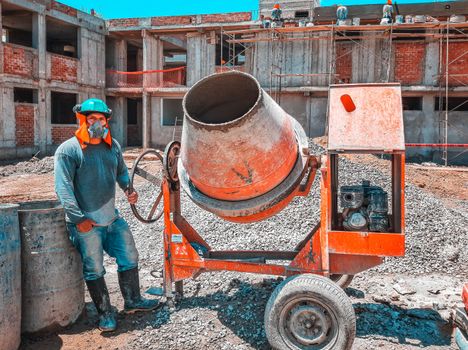
A worker steps around a stack of lumber, looks up, and notices an unsecured tool near the edge of the floor above. Nothing has happened yet, but this is exactly when construction safety matters most: before a close call becomes an injury. Learning how to keep a construction site safe means identifying changing hazards, controlling them promptly, and making sure everyone knows what to do when conditions change.
Safety is not only the site manager’s responsibility. Employers must provide safe working conditions, supervisors must enforce procedures, and workers must follow training, inspect equipment, and report hazards. Effective safety programs make those responsibilities clear rather than assuming someone else will handle the problem.
What are the main hazards on a construction site?
Construction sites change from day to day. New equipment arrives, openings appear, weather affects surfaces, and several trades may work in the same area. A safe location in the morning can become dangerous by the afternoon.
Falls and falling objects
Unprotected edges, floor openings, unstable ladders, incomplete scaffolds, and slippery surfaces can lead to falls. Workers below may also be injured by tools or materials dropped from an elevated area. Guardrails, covers, properly selected fall-arrest systems, toe boards, controlled access zones, and secure material storage help reduce these risks.
Vehicles and heavy equipment
Trucks, cranes, forklifts, excavators, and loaders create blind spots and crushing hazards. Separate pedestrian routes from equipment paths, use trained spotters when needed, establish clear signals, and keep workers outside swing radiuses. Operators should complete inspections and never use equipment with faulty alarms, brakes, lights, or safety devices.
Electrical hazards
Overhead power lines, damaged cords, wet conditions, temporary wiring, and unprotected electrical panels can cause shock, burns, fires, or electrocution. Use ground-fault protection where required, inspect cords and tools, keep electrical equipment away from water, and maintain safe clearance from energized lines. Only qualified workers should perform tasks involving exposed electrical systems.
Caught-in and caught-between hazards
Workers may become trapped in trenches, machinery, collapsing structures, or spaces between equipment and fixed objects. Protective trench systems, machine guards, lockout procedures, stable material stacking, and restricted equipment zones are essential. Never enter an unprotected excavation or reach into moving equipment to clear a blockage.
Dust, noise, chemicals, and heat
Construction can expose workers to silica-containing dust, welding fumes, solvents, excessive noise, vibration, and extreme temperatures. These hazards may not cause an immediate visible injury, but repeated or intense exposure can damage the lungs, hearing, skin, or overall health. Controls may include ventilation, wet cutting, quieter equipment, exposure monitoring, shaded rest areas, and task-appropriate protective equipment.
How to keep a construction site safe every day
Plan before work begins
Review each task, identify what could go wrong, and select controls before assigning workers. The plan should address access routes, equipment movement, emergency procedures, required protective systems, and interaction between trades. Coordinating tasks is especially important when specialists perform work in shared spaces. Understanding the role of a carpenter in modern construction, for example, can help supervisors anticipate power-tool use, material handling, temporary structures, and work at height.
Control hazards instead of relying only on PPE
Personal protective equipment is important, but it should not be the only safeguard. Whenever practical, remove the hazard, replace a hazardous material or process, isolate the danger, or use engineering controls. Guardrails generally provide broader protection than expecting every person near an edge to react correctly. Dust collection is more protective than relying solely on a respirator without controlling airborne dust.
Hard hats, eye protection, high-visibility clothing, gloves, safety footwear, hearing protection, respirators, and fall-arrest equipment must match the task and fit the user. Workers also need instruction on inspection, limitations, cleaning, storage, and replacement.
Train workers in language they understand
Training should cover actual site conditions rather than consist only of paperwork. Use demonstrations, photographs, short toolbox talks, and opportunities for questions. New workers need orientation, while experienced workers need updated instruction when equipment, assignments, or hazards change.
Supervisors can use OSHA’s construction safety and health program guidance when developing procedures for hazard control, training, housekeeping, emergency planning, and worker participation.
Maintain good housekeeping
Scrap, cords, hoses, packaging, protruding nails, spills, and poorly stored materials create preventable hazards. Keep walkways and exits clear, remove waste regularly, route cords away from traffic, and stack materials so they cannot roll, slide, or collapse. Housekeeping should continue throughout the shift, not wait until the project is finished.
Encourage immediate reporting
Workers should be able to report hazards, close calls, symptoms, and damaged equipment without fear of blame. A near miss is useful warning information. Stop the affected task, protect the area, determine why the event occurred, and correct the underlying cause before work resumes.
Prepare for injuries and medical emergencies
Every site needs a clear emergency plan. Workers should know how to call emergency services, give the site address, guide responders to the injured person, and access first-aid supplies. Emergency equipment should be visible, maintained, and appropriate for the work being performed.
Heat illness deserves particular attention during strenuous work. Headache, nausea, dizziness, weakness, heavy sweating, or unusual irritability may indicate heat exhaustion. Move the worker to a cooler area, stay with them, begin cooling, and obtain medical help. Confusion, seizures, loss of consciousness, or very high body temperature may indicate heat stroke, which is an emergency. Call 911 and cool the person promptly while waiting for responders.
Practical construction site safety checklist
Before the shift
- Review the day’s tasks, weather, deliveries, and overlapping work.
- Complete a task-specific hazard assessment.
- Confirm that workers are trained and authorized for assigned duties.
- Inspect ladders, scaffolds, tools, vehicles, rigging, and fall-protection equipment.
- Install required guards, barriers, warning signs, and opening covers.
- Check emergency access, first-aid supplies, fire extinguishers, and communication methods.
- Verify that drinking water, shade, sanitation, and washing facilities are available.
During the shift
- Keep walkways, stairs, exits, and work platforms clear.
- Separate pedestrians from moving vehicles and suspended loads.
- Use tools and equipment only for their intended purpose.
- Secure loose materials and tools at height.
- Monitor dust, noise, heat, weather, and changing ground conditions.
- Stop work when a protective system fails or a new hazard appears.
- Report close calls, symptoms, damaged equipment, and unsafe behavior promptly.
At the end of the shift
- Shut down, isolate, and secure equipment.
- Store chemicals, fuels, tools, and materials safely.
- Remove waste and correct trip hazards.
- Protect excavations, openings, and incomplete structures.
- Record unresolved hazards and communicate them to the next crew.
Make safety part of every decision
The best answer to how to keep a construction site safe is not a single rule or piece of equipment. It is a repeatable process: plan the work, identify hazards, use effective controls, train the crew, inspect conditions, and respond quickly when something changes. When workers are encouraged to speak up and supervisors act on concerns, safety becomes part of how the project is built rather than an extra step added after something goes wrong.