
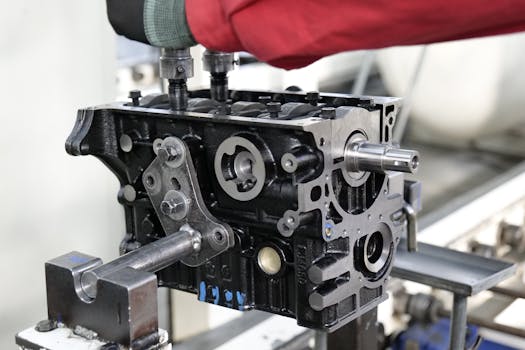
Engineering competitions have emerged as a vital platform for budding engineers, encouraging innovation and fostering a spirit of collaboration. These contests provide participants with an opportunity to apply theoretical knowledge in practical scenarios, thus shaping the engineers of tomorrow. By participating in these events, students can develop critical skills that are indispensable in the ever-evolving field of engineering.
The Impact of Engineering Competitions on Career Development
Engineering competitions play a significant role in career development by offering students hands-on experience and industry exposure. They serve as a bridge between academic concepts and real-world engineering challenges. Participants often get the chance to work alongside industry professionals, gaining insights that are rarely available in traditional classroom settings.
These competitions encourage participants to think creatively and develop innovative solutions to complex problems. By doing so, they help students build a portfolio of tangible achievements that can be showcased to potential employers.
Fostering Innovation and Leadership Skills
By promoting teamwork and collaboration, engineering competitions help nurture leadership skills. Participants learn to brainstorm, negotiate, and coordinate with team members, which are crucial skills in any collaborative work environment. Competitions often simulate real-world project constraints such as time, budget, and resource limitations, which can teach participants valuable lessons in project management.
Innovation is at the heart of these competitions. Students are pushed to think outside the box, tackle unexpected challenges, and adapt their solutions to meet changing constraints. This focus on innovation prepares them for roles in industries where problem-solving and creative thinking are prized.
Real-World Applications and Benefits
Engineering competitions are not just about winning. They also offer significant educational and career benefits. Participants often have access to industry tools and software, enhancing their technical proficiency. Networking opportunities abound during these events, allowing students to connect with mentors and industry leaders.
Engagement in competitions can lead to internships and job offers, as industry representatives often scout for talent at these events. Furthermore, many competitions offer scholarships and financial rewards, assisting students in furthering their education.
Types of Engineering Competitions
Engineering competitions come in various forms, each catering to different aspects of engineering. Some focus on design and creativity, while others emphasize technical skills or environmental impact. Examples include:
- Robotics competitions, where participants design and build robots to perform specific tasks.
- Hackathons, which challenge participants to develop software solutions within a limited timeframe.
- Environmental engineering contests that focus on sustainability and resource efficiency.
For those interested in exploring more about these opportunities, you may want to check out online courses that broaden scientific horizons and complement engineering skills.
The Role of Technology and Innovation
Technology is a driving force in modern engineering competitions. Participants must keep abreast of the latest technological advancements to remain competitive. From utilizing artificial intelligence in robotics competitions to embracing new software tools in design challenges, technology plays a pivotal role in shaping the outcomes of these events.
Innovation is not limited to technology subjects alone; it extends to methodologies and processes as well. Students learn to integrate cross-disciplinary knowledge, combining fields like computer science, environmental science, and mechanical engineering to devise holistic solutions to complex problems.
Encouraging Diversity and Inclusion
Engineering competitions are increasingly emphasizing diversity and inclusion, which are vital for fostering a rich pool of ideas and perspectives. Many contests are designed to encourage participation from underrepresented groups, offering specialized workshops and mentoring sessions to support these students.
This focus on diversity enriches team dynamics and broadens the scope of creative problem-solving. By bringing together individuals from various backgrounds, competitions ensure that a wide range of solutions are explored, ultimately leading to more innovative results.
Conclusion: The Future of Engineering Competitions
Engineering competitions have become a cornerstone of engineering education, providing a platform for aspiring engineers to test their knowledge and skills in a competitive yet supportive environment. As technology and education continue to evolve, these competitions will remain an essential component of engineering education, fostering the innovative thinking and leadership skills necessary for future engineers.
As these events continue to gain prominence, they will shape the careers of countless individuals, positioning engineering as a field of innovation and collaboration. Engineering competitions are pivotal in preparing the leaders of tomorrow, ensuring they are equipped with the knowledge and skills to navigate the challenges of an ever-changing world.
For additional information, you may refer to this Wikipedia page on education, which offers insights into various educational practices and innovations.
- Engineering competitions bridge the gap between academic knowledge and real-world applications.
- They foster creativity, leadership, and teamwork among participants.
- Competitions offer networking opportunities and potential career benefits.
- Diversity and inclusion are key in enriching problem-solving approaches.
- Technological knowledge is crucial for success in these innovative events.
What are engineering competitions?
Engineering competitions are events that allow students to apply their technical skills and knowledge to solve real-world problems, often involving teamwork and innovative thinking.
How do engineering competitions benefit students?
These competitions offer practical experience, foster creativity and leadership skills, and provide networking opportunities, all of which can enhance career prospects.
What types of engineering competitions are available?
There are various types of engineering competitions, including robotics contests, hackathons, and environmental challenges, each focusing on different engineering skills and fields.
Why are diversity and inclusion important in engineering competitions?
Diversity and inclusion bring a wide range of perspectives and ideas, enriching team dynamics and leading to more creative and effective solutions.
How can students prepare for engineering competitions?
Students can prepare by honing their technical skills, staying updated with current technologies, participating in workshops, and collaborating with peers to build a strong foundation in teamwork and problem-solving.

