
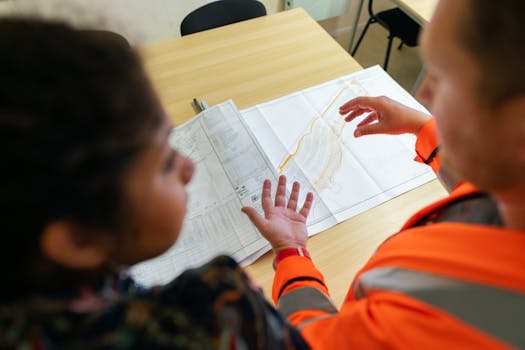
Engineering is a field that thrives on innovation and hands-on experience. For students looking to ignite their creativity and learning, engineering projects for students provide an excellent platform to dive into the practical aspects of their studies. These projects not only develop technical skills but also encourage problem-solving, critical thinking, and collaboration. In this article, we’ll explore various innovative engineering projects that are perfect for students eager to apply their knowledge in real-world scenarios.
Understanding the Importance of Engineering Projects for Students
Engineering projects for students are crucial because they bridge the gap between theoretical knowledge and practical application. These projects can range from simple tasks designed to introduce the basics, to complex challenges that require a deeper understanding of engineering principles. By engaging in these activities, students can reinforce their classroom learning and gain a clearer understanding of their interests and strengths within the field of engineering.
Incorporating projects into the learning process enhances the educational experience by making it more interactive and engaging. These projects are designed to foster creativity, allowing students to experiment with different technologies and approaches. Successful completion of such projects can also improve a student’s confidence and motivate them to pursue further studies or careers in engineering.
Types of Engineering Projects for Students
There are numerous types of projects that students can undertake depending on their interests and level of expertise. Below are a few popular categories and examples that can inspire students:
Robotics Projects
Robotics is an exciting field that combines engineering with computer science. Students can work on projects like building a basic robot from a kit or programming a robot to perform specific tasks. Advanced projects might involve developing autonomous robots capable of decision-making, which not only tests students’ technical skills but also their coding abilities.
Civil Engineering Projects
Civil engineering projects could include the design and construction of models such as bridges, buildings, or other structures. These projects allow students to apply principles of physics and mathematics to solve real-world problems. Experimenting with different materials and techniques can help students understand the nuanced challenges that civil engineers face.
Environmental Engineering Projects
With growing concerns about sustainability, environmental engineering projects are gaining popularity. Students can explore projects that focus on renewable energy solutions, such as designing a solar-powered device or creating a model of a wind turbine. These projects emphasize the importance of sustainable practices in modern engineering.
Software and Computer Engineering Projects
Software engineering projects can range from developing a simple mobile app to more complex projects like creating software for data analysis or AI applications. These projects help students learn programming languages, software development processes, and debugging techniques. An example project could involve building a basic encryption program or creating a personal blog website from scratch.
Exploration into Quantum Science
For students with a keen interest in cutting-edge technologies, exploring quantum science can be incredibly rewarding. Integrating coding with quantum theories can lead to the development of simulations or models which visualize quantum phenomena. Students can find additional resources through free online courses in astrophysics and quantum science offered by top universities.
Building Skills Through Engineering Projects
Participating in engineering projects for students provides an array of advantages beyond academic knowledge. Projects foster a range of soft skills, including teamwork, leadership, and time management. Here’s a closer look at some key benefits:
Teamwork and Collaboration
Engineering projects often involve collaboration. Students learn to divide tasks based on individual strengths, manage group dynamics, and communicate effectively. These skills are essential in professional environments where teamwork is key to successful project completion.
Problem-Solving and Critical Thinking
Project-based learning challenges students to think critically and solve problems creatively. Whether they’re troubleshooting a circuit or optimizing an algorithm, these activities promote innovative solutions and adaptability.
Time Management
Balancing project work with other academic responsibilities teaches students essential time management skills. They learn to plan, prioritize tasks, and meet deadlines, preparing them for the demands of a professional career.
Conclusion
Engaging in engineering projects for students is an invaluable step towards a successful career in engineering. These projects encourage students to apply their knowledge creatively and learn essential real-world skills. Whether focusing on robotics, civil engineering, or software development, these hands-on experiences offer a unique blend of challenge and reward, setting the foundation for future innovations in the engineering field. For more information on education and its impacts, visit this page.
- Engineering projects enhance both technical and soft skills.
- They offer a practical approach to learning beyond textbooks.
- Diverse project types cater to varied interests and expertise levels.
- Projects prepare students for real-world engineering challenges.
What skills are developed through engineering projects?
Engineering projects help develop technical skills such as problem-solving, technical writing, and critical thinking. They also build soft skills including teamwork, time management, and communication.
How do I choose an engineering project?
Choose a project based on your interests, available resources, and knowledge level. Start with simpler projects and gradually progress to more challenging ones as your skills improve.
Can engineering projects help with career opportunities?
Absolutely. Completing engineering projects demonstrates your ability to apply academic concepts in practical settings, which is highly valued by employers. They provide a solid portfolio of work to showcase during job interviews.
Where can I find resources to support my engineering projects?
Many online platforms and educational institutions offer resources like tutorials, kits, and courses focused on engineering projects. Additionally, consider joining forums or groups where you can share knowledge and collaborate with peers.
Is prior experience needed to start an engineering project?
No prior experience is necessary. Start with beginner-level projects to build your confidence and foundational skills. As you progress, you can take on more complex projects that may require additional research and learning.

