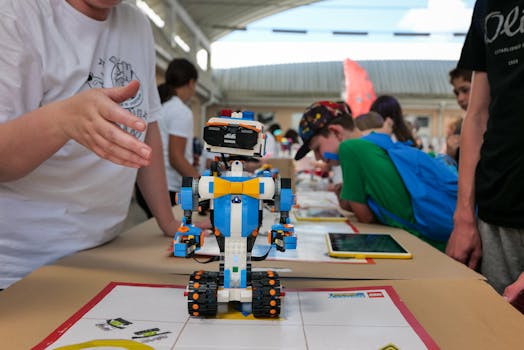
Science fairs provide an excellent platform for high school students to explore and present innovative medical projects. Engaging in these projects not only boosts their knowledge but also sparks interest in pursuing careers in healthcare and sciences. The primary intent behind science fair medical projects in high school is to encourage creativity and critical thinking while understanding real-world health challenges.
Innovative Ideas for Science Fair Medical Projects High School Students Can Explore
Choosing a compelling project can significantly impact a student’s science fair experience. Here are several ideas tailored for high school students that could leave a lasting impression:
- Biomedical Devices: Investigate how different materials or designs could improve current medical devices. Projects could include creating a prototype or demonstrating how a new material enhances device performance.
- Public Health Issues: Assess the impact of certain lifestyle choices on health outcomes. This can include projects on diet, exercise, or the effects of environmental factors on public health.
- Genetics and Heredity: Explore the role genetics play in specific health conditions. Students can simulate genetic traits or study family histories to understand hereditary diseases.
- Microbiology Studies: Identify and analyze bacteria in various environments. This can link directly to exploring careers in microbiology. For more on the subject, consider checking your pathway to a career in science.
- Nanotechnology in Medicine: Examine how nanotechnology is revolutionizing treatment options for diseases. Projects might involve demonstrating how nanoparticles can target disease sites in the body.
These ideas aim to foster an understanding of health-related challenges and solutions, preparing students for potential future careers in medicine.
Tools and Resources for Developing Science Fair Medical Projects in High School
Embarking on a science fair project requires access to the right tools and resources. Here’s how students can get started:
- Research Materials: Utilize online databases and scientific journals accessible through libraries or educational institutions for up-to-date information.
- Laboratory Equipment: Schools often provide basic equipment, but students may need to collaborate with local universities or labs for more advanced apparatus.
- Guidance from Experts: Engaging with professionals in the field can provide valuable insights. Mentors or science teachers can guide project development and techniques.
- Funding Opportunities: Many organizations offer grants and scholarships for promising science projects. Students should investigate these options to support their work.
A combination of these resources can equip students with the skills and knowledge they need to undertake successful science fair projects.
Highlighting Successful Examples of Science Fair Medical Projects High School Entrants Have Undertaken
Reviewing successful past projects can inspire current students. Here are some notable examples:
- Wearable Health Monitors: Projects developing devices to track vital signs have gained attention for their practical applications in patient care.
- Artificial Organ Research: Investigations into creating biocompatible materials for artificial organs demonstrate the intersection of biology and engineering.
- Virtual Reality Therapy: Using virtual reality to aid in rehabilitation shows innovation in utilizing technology to enhance patient experiences and outcomes.
These projects demonstrate how high school students can contribute to advancing medical knowledge and technologies.
Paving the Way for Future Careers Through Science Fair Medical Projects in High School
Participating in science fairs is not just about winning awards; it’s about preparing for the future. Successful completion of science fair medical projects high school students undertake can significantly boost their educational and professional journeys.
- It instills critical skills such as research methodology, problem-solving, and communication.
- Projects align with current global health challenges, offering insights into real-world applications of medical sciences.
- Such experiences can bolster college applications and open avenues to scholarships and internships in the healthcare field.
For more detailed statistics on the impact of education on career choices in science, you can visit this comprehensive resource.
- Science fairs inspire critical thinking and creativity.
- A wide range of project ideas exist, from microbiology to nanotechnology.
- Resources are available to support budding scientists.
- Successful projects have previously focused on health monitors and artificial organs.
- Participation aids in developing skills relevant to future careers.
What are the essential elements of a successful science fair medical project?
A successful project requires a clear research question, an organized methodology, and thorough analysis. Presentation skills are also crucial to effectively communicate findings.
How can high school students find mentors for their projects?
Students can reach out to science teachers, local university professors, or professionals in the medical field. Educational workshops and online platforms are also good places to seek guidance.
What challenges might students face in conducting medical science projects?
Common challenges include limited access to advanced laboratory equipment and difficulty in obtaining research materials. Collaborating with institutions can help overcome these obstacles.
How do science fair projects benefit future career paths?
These projects equip students with practical skills that are attractive to colleges and employers. They also provide exposure to the scientific method, encouraging careers in research, healthcare, and innovation.
Where can students find more information about science fair ideas and resources?
Students can explore educational websites, libraries, and scientific journals. Platforms like ScholarsHub offer articles and resources to guide students in their projects.