
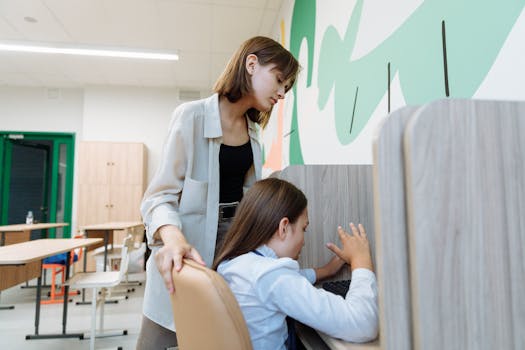
In the rapidly evolving landscape of education, implementing innovative projects for students has become a crucial strategy for enhancing learning and sparking creativity. Students are increasingly expected to develop skills beyond the traditional curriculum, including problem-solving, critical thinking, and collaboration. By integrating project-based learning methods, educators can create dynamic environments where students actively engage with the material and develop a deeper understanding of the subject matter.
Why Projects for Students Are Important
Projects allow students to immerse themselves in real-world scenarios, providing context to theoretical knowledge. These projects not only boost academic understanding but also nurture essential life skills. Through collaboration and creative problem-solving, students learn to apply knowledge in practical settings, preparing them for future challenges.
Project Ideas to Encourage Creativity
Crafting projects that stimulate creativity and engagement can have a profound impact on students’ educational experiences. Here are a few tried-and-true ideas:
- Build a Simple Machine: Encourage students to design and construct a simple machine using everyday materials. This project fosters creativity while teaching fundamental principles of physics.
- Classroom Garden: Establishing a garden in the school can teach biology and ecology concepts while promoting environmental responsibility.
- History Reenactment: By organizing a historical reenactment, students can gain a deeper understanding of historical events and figures.
- Science Fair Projects: Inviting students to conduct their own experiments and present findings can ignite a passion for discovery.
- Art Exhibition: By creating and displaying art, students can express their creativity and engage with cultural and historical themes.
Projects That Integrate Technology
Today’s students are digital natives, and integrating technology into classroom projects can harness this familiarity to enhance learning. Here are some projects that successfully incorporate technology:
- Video Documentaries: Have students produce a documentary on a relevant topic using video editing software.
- Digital Storytelling: Students can create a digital story using multimedia tools, combining storytelling with technology skills.
- App Development: Teaching students to develop a simple app can introduce them to programming and entrepreneurial concepts.
- Online Portfolios: Encouraging students to create digital portfolios showcases their work and reflects their learning journey.
Implementing Projects for Students Effectively
Creating meaningful and engaging projects for students requires thoughtful planning and execution. Here are some strategies to consider:
- Define Clear Objectives: Clearly communicate the goals of the project to ensure students understand what is expected of them.
- Encourage Collaboration: Group projects can foster teamwork skills and enable peer learning.
- Provide Resources: Equip students with the necessary tools and information to successfully complete their projects.
- Facilitate Reflection: Encourage students to reflect on their learning experiences to solidify their understanding.
For those interested in further enhancing student opportunities, consider exploring scholarships and educational grants that may provide additional avenues for learning and aid.
Supporting Diverse Learning Styles
Projects can be tailored to support various learning styles, ensuring that all students benefit from the experience. By offering options, such as visual projects for visual learners or discussion-based projects for verbal learners, educators can create an inclusive learning environment.
Challenges and Solutions
Despite their benefits, project-based learning can present challenges, including time constraints and unequal participation. Address these by setting clear timelines, providing structured feedback, and facilitating equitable group dynamics.
For more in-depth guidance on education strategies and their impact, you might find helpful resources on education methodologies.
Conclusion
Innovative projects for students hold the potential to transform the educational experience, enriching learning and inspiring creativity. By carefully planning and implementing project-based learning, educators can equip students with the skills necessary for personal and academic success.
- Projects encourage real-world application of knowledge.
- Integration of technology in projects can enhance digital literacy.
- Careful planning is key to successful project-based learning.
- Diverse project options cater to varied learning styles.
- Overcoming challenges requires structured strategies.
Frequently Asked Questions
What are some simple project ideas for students?
Simple project ideas include building a simple machine, creating a classroom garden, or organizing a history reenactment.
How can technology be incorporated into student projects?
Technology can be incorporated through projects like video documentaries, digital storytelling, or app development, enhancing both technological skills and creativity.
What are the benefits of project-based learning?
Project-based learning encourages the application of knowledge, improves critical thinking, and fosters teamwork and problem-solving skills.
How do projects support different learning styles?
Projects can be designed to accommodate various learning styles, whether visual, auditory, or kinesthetic, ensuring all students can engage meaningfully.
What challenges might arise in implementing project-based learning?
Challenges can include time management and ensuring equal participation, which can be mitigated with clear communication, structured timelines, and collaboration strategies.

