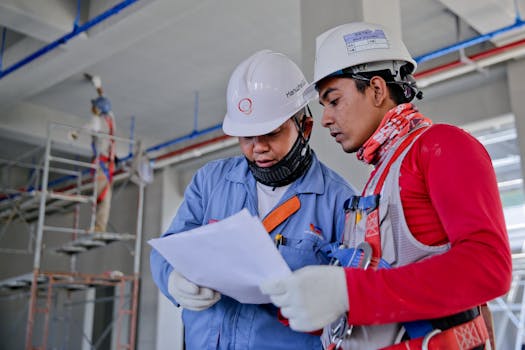
In today’s rapidly evolving world, engineers face a multitude of practical engineering challenges/projects that require innovative solutions. Whether it’s developing sustainable energy sources, creating resilient infrastructure, or advancing transportation technologies, engineers must apply their knowledge and creativity to overcome these hurdles. Success in these projects not only demands technical skills but also a deep understanding of the project’s environmental, economic, and social context. This article explores how engineers are tackling these challenges and highlights some innovative approaches in various fields.
Addressing Practical Engineering Challenges in Projects
Engineers confront a diverse array of challenges depending on the specifics of each project. For example, in urban development, the focus might be on accommodating growing populations sustainably or addressing traffic congestion with smart city technologies. In renewable energy projects, engineers must innovate to increase efficiency and storage capacities to support broader adoption. The complexity of these projects necessitates collaboration across disciplines and the incorporation of cutting-edge technology. Understanding the multifaceted nature of these challenges is the first step in devising effective solutions.
Key Technological Innovations in Engineering
Technology plays a pivotal role in providing solutions to contemporary engineering challenges. The integration of artificial intelligence (AI) and machine learning in engineering processes has led to remarkable advances. These technologies enable predictive maintenance, optimizing resource management, and reducing downtime in industrial operations. Additionally, the use of big data analytics allows engineers to analyze vast amounts of data to inform decision-making and improve project outcomes.
Another area of innovation is the use of drones and robotics in engineering projects. These tools are employed for site inspections, surveying, and monitoring, significantly improving safety and efficiency. As technology continues to evolve, engineers are finding new ways to integrate these tools into their processes to achieve better results.
Sustainable Engineering Solutions
Environmental sustainability is a crucial consideration in modern engineering projects. Engineers are increasingly focused on adopting green building practices, using renewable materials, and improving energy efficiency. Innovative solutions such as modular building techniques and the use of biodegradable materials represent a shift towards more sustainable construction methods.
Moreover, the push for renewable energy sources like solar, wind, and geothermal power is leading to significant advances in the energy sector. Engineers are developing smarter grid systems and improving energy storage technologies to enhance the reliability and efficiency of renewable energy projects.
Explore industrial design courses to enhance your engineering skills.
Overcoming Infrastructure Challenges
Infrastructure projects, whether it’s roads, bridges, or public transportation systems, face unique engineering challenges. Aging infrastructure requires significant updates to meet modern standards. Engineers are tasked with finding innovative materials and methods to rehabilitate and extend the life of these structures while minimizing environmental impact.
Technological advancements such as Building Information Modeling (BIM) and 3D printing are transforming how infrastructure projects are designed and executed. These tools allow for enhanced precision and flexibility, leading to more efficient and effective construction practices.
Adapting to Changing Landscapes
As urban environments continue to grow, engineers must consider the societal impacts of their projects. Urban planning now integrates smart technologies to improve the quality of life, with innovations in transport systems, energy usage, and waste management. Engineers are employing a more holistic approach, considering how their projects interact with and contribute to the community.
Additionally, climate change has prompted engineers to consider resilience and adaptation strategies in their projects. From designing flood-resistant infrastructure to developing materials that can withstand extreme weather, engineers are innovating to ensure future projects can endure changing climatic conditions.
Collaboration and Interdisciplinary Approaches
Solving practical engineering challenges often requires a team effort, bringing together experts from various disciplines. Collaboration with architects, environmental scientists, urban planners, and economists can lead to more comprehensive and successful outcomes. Through workshops, seminars, and online courses, such as those found at ScholarsHub.net, professionals can enhance their skills and work together to address complex engineering problems.
To stay competitive and effective, engineers must continuously learn and adapt. Engaging with the latest research, attending industry conferences, and participating in online educational platforms are vital for staying at the forefront of innovation.
In summary, practical engineering challenges/projects demand innovative solutions and a collaborative effort across various fields. By embracing technological advancements, prioritizing sustainability, and fostering interdisciplinary collaboration, engineers can develop effective strategies to tackle the projects of today and tomorrow.
- Innovative engineering solutions rely heavily on technology such as AI and robotics.
- Sustainability and environmental considerations are crucial in modern engineering projects.
- Interdisciplinary collaboration is necessary for successfully tackling complex engineering challenges.
- Continuous learning and adaptation are essential for engineers to remain effective and innovative.
- Smart technologies are transforming urban planning and infrastructure development.
What are the primary challenges in engineering projects today?
The major challenges include integrating sustainable practices, leveraging new technologies, addressing aging infrastructure, and navigating societal impacts.
How does technology influence contemporary engineering projects?
Technology enhances efficiency, improves safety, and facilitates innovation in engineering projects. Tools such as AI, drones, and big data analytics play crucial roles.
Why is sustainability vital in engineering projects?
Sustainability ensures that engineering projects do not harm the environment, reduces waste, and promotes the use of renewable resources, leading to long-term viability.
How do engineers collaborate on complex projects?
Engineers collaborate through interdisciplinary teams, sharing expertise with professionals in other fields to address the multifaceted nature of engineering challenges.
What educational resources can support engineers in overcoming project challenges?
Online courses, such as those available at ScholarsHub.net, along with industry conferences and workshops, are valuable for staying updated with the latest innovations and techniques.
For further reading, visit the Wikipedia page on Education for more insights into the educational approaches supporting engineering innovations.