
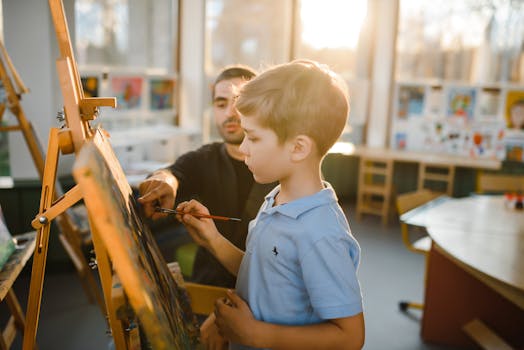
The impact of a teacher in art extends far beyond imparting technical skills to students. It inspires creativity, encourages self-expression, and cultivates a lifelong appreciation for the arts. An art teacher plays a vital role in shaping not only future artists but also well-rounded individuals who are capable of thinking outside the box and expressing themselves through various mediums.
The Role of a Teacher in Art
Art education has evolved substantially over the decades. Today, the teacher in art is seen not just as an instructor, but as a guide, mentor, and catalyst for creativity. By introducing a variety of techniques and approaches, teachers help students develop their unique artistic voices.
Fostering Creativity and Innovation
One of the primary roles of an art teacher is to foster creativity and innovation. Creativity is a skill that can be nurtured through artistic exploration. Art educators use a variety of strategies to encourage students to think critically and imaginatively. By teaching students to explore different perspectives and take risks, art teachers empower them to push boundaries and innovate.
Nurturing Art Skills and Techniques
A fundamental responsibility of art teachers is to equip students with the skills and techniques necessary for artistic expression. This includes teaching the principles of design, color theory, and various mediums such as drawing, painting, and sculpture. By developing these skills, students gain the tools they need to bring their creative visions to life.
Supporting Emotional Expression
Art is a powerful medium for emotional expression, offering students a safe space to convey their thoughts and feelings. Art teachers play a crucial role in helping students harness art as a form of emotional and personal exploration. By providing a supportive environment, they encourage students to use art as a means to communicate and understand their emotions.
Encouraging Critical Thinking
An art teacher’s role extends beyond creative production; it also involves encouraging critical thinking and reflection. Students learn to critique their own work and that of others constructively, which fosters analytical skills and the ability to view art from various perspectives.
Incorporating Technology in Art Instruction
With the advent of digital technology, art teachers are increasingly incorporating digital tools and media into their curriculum. This not only broadens the scope of creative possibilities but also prepares students for the technologically advanced world. Resources like digital illustration, 3D modeling, and multimedia projects are now essential components of contemporary art education.
Promoting Cultural Awareness
Art education provides an opportunity to explore and celebrate diverse cultures and perspectives. Through the study of art history and global art forms, students gain a deeper understanding of cultural diversity. Art teachers encourage this learning by exposing students to a wide array of artistic influences and practices from around the world.
Art Education Beyond the Classroom
Learning opportunities in art extend beyond the traditional classroom setting. Encouraging students to engage with the broader artistic community through exhibitions, workshops, and collaborations can greatly enrich their educational experience. Teachers may also recommend resources like the best art schools in Europe for further exposure to international art scenes.
The Impact of a Teacher in Art
The influence of a teacher in art is profound and far-reaching. By encouraging creativity, skill development, and cultural appreciation, art teachers help shape individuals who are not only artists but also informed and thoughtful members of society. For more information about the impact of education, consider visiting the Wikipedia education page.
- Art teachers inspire creativity and innovation in students.
- They provide essential skills and techniques for artistic expression.
- Art education supports emotional expression and communication.
- Art teachers incorporate technology to broaden creative learning.
- They promote cultural awareness and diversity in the arts.
What qualities make a great art teacher?
A great art teacher is patient, creative, and encouraging. They should have a deep understanding of various art forms and techniques, and the ability to inspire and nurture students’ artistic talents.
How can art education benefit students outside the arts?
Art education fosters creativity, critical thinking, and problem-solving skills that are valuable in any field. It also enhances cultural awareness and emotional intelligence.
Are there digital tools available for art teachers and students?
Yes, there are numerous digital tools available, such as graphic design software, digital illustration apps, and online galleries, which can enhance art education and creative expression.
How can art teachers promote cultural diversity in their curriculum?
Art teachers can introduce students to a wide range of global art forms, art history, and contemporary artists from diverse backgrounds to celebrate cultural diversity and inclusion in their teaching.
What should students consider when choosing an art school?
Students should consider the school’s curriculum, faculty, facilities, and its alignment with their personal artistic goals and preferred style of learning.

