
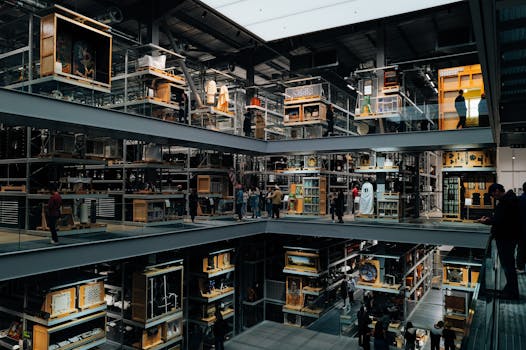
Museums offer a fascinating blend of education, culture, and history, making the role of curating a museum both a science and an art. Understanding this process is essential for anyone interested in museum studies, art history, or cultural management.
The Essentials of Curating a Museum
Curating a museum involves more than just arranging exhibits. It requires a deep understanding of the museum’s mission, the audience’s interests, and the historical and cultural context of each piece. A curator must balance these elements to create an engaging and informative experience for visitors.
Understanding the Role of a Curator
The curator is the mastermind behind an exhibit. They are responsible for researching, selecting, and organizing pieces that fit within a specific theme or context. This role often involves collaborating with historians, artists, and other experts to ensure the accuracy and relevance of the displayed items.
Curators must consider the narrative they wish to convey through their displays. This includes deciding which items will be featured, how they will be grouped, and the layout of the exhibit space. Effective curating transforms a collection of items into a cohesive story that captures the visitor’s attention.
Balancing Aesthetics and Education
One of the challenges in curating a museum is balancing aesthetics with educational value. A well-curated exhibit should be visually pleasing and easy to navigate while offering depth of information to enrich the visitor’s understanding.
Museum curators use various techniques to achieve this balance. They may employ multimedia elements, such as interactive displays or audio guides, to engage diverse learning styles. Captivating visuals combined with compelling narratives can turn a museum visit into an unforgettable experience.
The Importance of Cultural Sensitivity
In today’s globalized world, cultural sensitivity is paramount in curating museum exhibits. Curators must be aware of cultural implications and respect the origins and significance of the items on display. This involves careful consideration of how pieces are presented and the narratives that accompany them.
Curators often work with representatives from the cultures represented to ensure exhibits are respectful and accurate. By doing so, museums can serve as platforms for cross-cultural understanding and dialogue.
The Impact of Technology on Curating
Technology is revolutionizing how museums curate their exhibits. Digital platforms create virtual museums, offering remote access to collections worldwide. This trend expands the reach of museums and makes art and history more accessible to a broader audience.
Augmented reality (AR) and virtual reality (VR) technologies allow curators to create immersive experiences that enhance traditional displays. These tools enable visitors to interact with exhibits in innovative ways, providing a deeper understanding of the subjects being explored.
For those interested in integrating technology into their curatorial practices, exploring studying abroad at top art schools in Europe can offer invaluable insights into cutting-edge techniques and methodologies.
Curating Exhibits for Diverse Audiences
Successful curators understand their audience and strive to make exhibits inclusive and engaging for all. This involves addressing various factors such as age, educational background, and cultural interests. Curators often include multiple levels of information, from basic to advanced, allowing visitors to engage at their preferred level of depth.
Moreover, some exhibits may include interactive elements designed specifically for children, ensuring that younger audiences can learn and enjoy the museum experience alongside adults.
Continuous Learning and Adaptation
Curators must remain lifelong learners in a field that continually evolves. As new research emerges and cultural perceptions shift, curators adapt their approaches and update exhibits to reflect current understandings. Periodic reviews and refreshes keep museum experiences relevant and engaging.
Curating is not just about managing existing collections but also about identifying new pieces and ideas that can enhance the museum’s offerings. Curators often work closely with acquisition teams to select items that will enrich the museum’s collection for future generations.
To learn more about the diverse facets of education and curating, you may find this article on education beneficial.
- Curating a museum requires balancing educational content with an engaging visitor experience.
- Curators play crucial roles in storytelling through exhibits, making cultural sensitivities a priority.
- Technology offers new dimensions in museum curation, making it more immersive and accessible.
- Diverse audiences need exhibits that cater to various levels of knowledge and interests.
- Continuous learning and adaptation are vital to keeping museum exhibits relevant and exciting.
What skills are needed to become a museum curator?
Skills needed include research, organization, creativity, and an understanding of history and art. Excellent communication and collaboration skills are also important for working with teams and engaging the public.
How does one become a museum curator?
Typically, a degree in museology, history, art history, or a related field is required, along with internships or volunteer work in museums. Continuing education and specialization can enhance job prospects.
What challenges do curators face?
Challenges include budget constraints, preserving exhibit relevance, cultural sensitivities, and integrating new technologies. Adapting to changing educational needs and public interests is also crucial.
How does technology benefit museum curators?
Technology enables curators to create interactive, immersive experiences. Virtual tours and augmented reality can engage a global audience, while digital tools assist in research and exhibit design.
What role do curators have in education?
Curators play a key educational role by designing exhibits that inform and engage visitors. They provide relevant context and encourage dialogue, promoting cultural and historical awareness among diverse audiences.

