
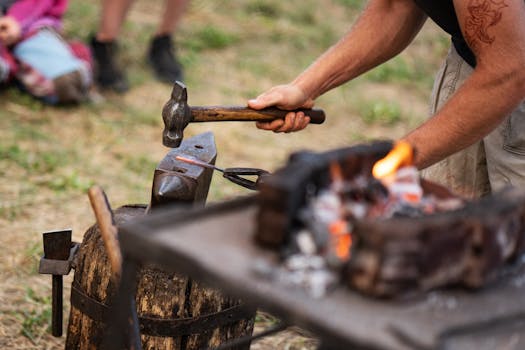
When people think of blacksmithing, it often conjures images of red-hot metal, anvils, and the clanging sound of a hammer shaping molten material. But how does one embark on this ancient, yet highly skilled journey of becoming a master blacksmith? Understanding how to become a blacksmith involves more than just acquiring basic skills with tools; it touches upon a deep history, craftsmanship, and artistic expression. Let’s delve into the steps and knowledge needed to thrive in this unique and rewarding career path.
Steps on How to Become a Blacksmith
Blacksmithing is a craft that requires both physical finesse and creative vision. Here’s a step-by-step guide to help you forge your path in blacksmithing:
Understanding the Basics of Blacksmithing
Before you can start shaping metal, you must first understand the properties of different metals and how they react to heat. This foundational knowledge will guide your entire crafting process. You’ll also need to acquaint yourself with blacksmithing tools, including anvils, hammers, tongs, and forges. Start by researching online resources or books that cover the fundamental techniques.
Acquiring Necessary Skills and Education
Enrolling in a blacksmithing course or attending a trade school focused on metalwork can provide formal training. Such programs offer structured learning and opportunities to work under experienced blacksmiths as apprentices, where hands-on experience is invaluable. For more information about trade schools, consider visiting this detailed guide.
Setting Up Your Workspace
A functional workspace is crucial for any budding blacksmith. Ensure your workspace is well-ventilated and equipped with essential tools and safety equipment. Proper setup of an anvil, forge, and hammering station will help you practice safely and efficiently.
Building a Portfolio
As you hone your craft, document your projects to build a comprehensive portfolio. Showcasing a variety of your work, from intricate metal art to practical tools, can demonstrate your versatility and skill to potential clients or employers.
Developing a Career in Blacksmithing
Exploring Career Opportunities
Once equipped with skills and experience, explore various career paths such as working in metal fabrication, custom blacksmith shops, or in historical restoration. Blacksmiths are also employed in industries like manufacturing and construction where metalwork skills are essential.
Starting Your Own Blacksmithing Business
If you have an entrepreneurial spirit, consider starting your own blacksmithing business. This path allows creative freedom and the ability to tailor your services based on your interests, whether that’s producing artistic metal sculptures or crafting tools for a specific industry.
Continuous Learning and Innovation
Even as a skilled blacksmith, continual learning is vital. Attending workshops, online courses, and conventions can broaden your skill set and keep you updated on innovative techniques and tools. A robust network with other artisans can provide support and collaboration opportunities.
Inspiring the next generation by teaching or mentoring young blacksmiths can also be rewarding. Passing on your knowledge helps preserve and evolve the craft for future generations.
External Support and Resources
Numerous resources exist to support your journey in blacksmithing. Consult reputable websites like Wikipedia’s Education page for additional information on educational pathways. Additionally, participating in blacksmithing forums and communities can provide insight and support as you develop your craft.
Conclusion: The Blacksmithing Journey
Mastering the craft of blacksmithing is a blend of harnessing tradition, skill, and modern innovation. By understanding how to become a blacksmith, you’re investing in a timeless art that requires patience, practice, and a willingness to continuously learn and adapt. Aspiring to perfect your craft will undoubtedly yield durable and artistic contributions that are highly valued in today’s society.
- Research fundamental blacksmithing techniques and tools.
- Enroll in training programs or trade schools for formal education.
- Gain hands-on experience under skilled mentors.
- Explore diverse career paths or start your own business venture.
- Commit to lifelong learning and skill enhancement.
What basic tools are necessary for a beginner blacksmith?
Essential tools include an anvil, forge, hammers, tongs, and safety gear. These tools will equip you to start practicing basic blacksmithing techniques.
Is formal education required to become a blacksmith?
While not mandatory, formal education can provide structured learning and valuable experience. Courses at trade schools or apprenticeships can be especially beneficial.
How long does it take to become proficient in blacksmithing?
The time to become proficient varies, typically ranging from several months to years of practice, depending on your dedication and learning pace.
What safety precautions should blacksmiths take?
Blacksmiths should use personal protective equipment like gloves, goggles, and aprons. A well-ventilated workspace and adherence to safety guidelines are also crucial.
Can blacksmithing be a profitable career?
Yes, with the right skills and market understanding, blacksmithing can be a profitable career, especially if you specialize in custom work or start your own business.

