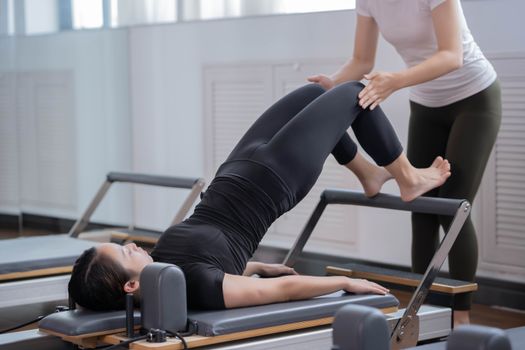
Are you passionate about Pilates and interested in turning your passion into a profession? Learning how to become a Pilates instructor can be a transformative journey, offering you an opportunity to share the physical and mental benefits of this practice with others. This comprehensive guide will walk you through the necessary steps to become a certified Pilates instructor, along with insights into the associated career prospects, training programs, and professional tips.
Understanding How to Become a Pilates Instructor
Becoming a certified Pilates instructor involves several steps. It requires a combination of training, certification, and personal dedication to teaching. Here’s an in-depth look at the journey:
1. Exploring the World of Pilates
Before you embark on the journey to become an instructor, immerse yourself in the world of Pilates. This involves understanding different Pilates styles such as classical and contemporary. Practicing regularly will not only enhance your skills but also deepen your appreciation of the art.
2. Enroll in Comprehensive Training Programs
Finding the right training program is crucial. Look for programs that are accredited by reputable organizations. These programs typically cover anatomy, physiology, biomechanics, and the practical aspects of teaching Pilates. Areas of focus should include mat training as well as apparatus training, using equipment such as reformers and trapeze tables. For a free exploration of online certifications, you might consider checking resources like our page on certification opportunities.
3. Getting Certified
Once you complete your training, the next step is to get certified. Certification involves both theoretical and practical components. It’s important to select a certification that’s recognized both nationally and internationally to broaden your career prospects. Various organizations offer certification exams, including the Pilates Method Alliance (PMA).
4. Gaining Practical Experience
Experience is the best teacher. Assisting seasoned instructors or offering free community classes can help you gain hands-on experience. This not only improves your teaching skills but also builds your confidence in managing a classroom environment.
5. Building Your Career
With certification in hand, you’re ready to begin your professional journey. Consider various employment avenues like working at fitness centers, wellness clinics, or opening your own Pilates studio. Building strong relationships with your clients will enhance your reputation and can lead to word-of-mouth referrals.
Skills Required for Success
Successful Pilates instructors are not just skilled in exercises. They also excel in motivating clients and creating personalized workout plans. Here are key skills to develop:
- Communication skills: Clearly convey exercise instructions and provide constructive feedback.
- Empathy: Understand and empathize with your clients’ needs and limitations.
- Business acumen: If you plan to start your studio, understanding the business aspect is critical.
Career Opportunities and Prospects
The demand for fitness professionals, including Pilates instructors, is on the rise. With this increased interest, there are numerous opportunities in various settings, from private studios to corporate wellness programs.
According to the U.S. Bureau of Labor Statistics, employment for fitness trainers and instructors is projected to grow in the forthcoming years because of continued interest in fitness and wellness.
Continuous Learning and Development
Continuing education is crucial for maintaining certification and staying updated on the latest Pilates practices and fitness trends. Workshops, online courses, and advanced certifications can enhance your skill set and keep you informed about the industry’s innovations.
The Importance of a Balanced Lifestyle
As a Pilates instructor, promoting a balanced lifestyle is key. Advocate the importance of combining exercise with good nutrition, adequate hydration, and stress management techniques. This holistic approach can enhance both the instructor’s and clients’ well-being.
Final Thoughts on How to Become a Pilates Instructor
Embarking on the path of becoming a Pilates instructor is both rewarding and fulfilling. With the right training, certification, and dedication, you can inspire and guide others towards better health and well-being. Remember, the journey doesn’t stop at certification; constant learning and adaptation are key to a successful career.
- Pilates instructor training involves comprehensive coursework.
- Certification is essential for credibility and career growth.
- Practical experience is invaluable to developing teaching skills.
- Continuous learning keeps instructors informed and innovative.
- A balanced lifestyle enhances the effectiveness of instruction.
What qualifications do I need to become a Pilates instructor?
To become a Pilates instructor, you typically need a certification from a recognized training program. This covers anatomy, physiology, and comprehensive Pilates practice, both on the mat and using apparatus.
How long does it take to become a certified Pilates instructor?
The duration for certification can vary depending on the program, but generally, it takes several months to a year to complete the necessary training and pass the certification exam.
Can I teach Pilates without a certification?
While it’s possible to teach Pilates without a certification, having a recognized certification enhances your credibility, skills, and career opportunities. It also ensures you meet industry standards.
What are the key qualities of a successful Pilates instructor?
Successful Pilates instructors possess clear communication skills, empathy, enthusiasm for fitness, and business acumen if managing their own practice. Continuous learning also plays a critical role.
Is teaching Pilates a sustainable full-time career?
Yes, teaching Pilates can be a sustainable full-time career, especially with the growing demand for fitness professionals. It offers opportunities in various environments, from private studios to wellness centers.