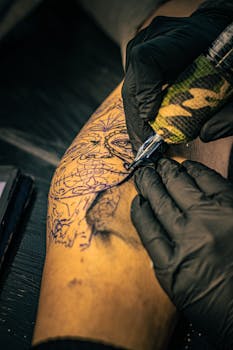
The relationship between the military and personal expression, like tattoos, is a nuanced topic that garners attention from those serving and considering service. Understanding the impacts of having tattoos in the military is vital for individuals aiming to navigate their military careers while maintaining personal expression. While military culture has evolved over time, the question of how tattoos influence career opportunities remains pertinent.
Military with Tattoos: Regulations and Cultural Impacts
The guidelines for military personnel regarding tattoos often reflect a balance between discipline and personal freedom. Different branches of the military have their own specific regulations that dictate tattoo placement, size, and content. Typically, tattoos are not allowed on certain areas like the face, neck, and hands, and any tattoos deemed offensive can lead to disciplinary action.
Historically, tattoos in the military have signified camaraderie and personal milestones. However, modern regulations are more concerned with maintaining a uniform professional appearance. Military regulations aim to ensure that tattoos don’t interfere with perceptions of professionalism and discipline, key values in the armed forces.
The Role of Tattoos in Military Recruitment
Tattoos can impact recruitment into the military, especially for potential recruits who have large or visible tattoos that might not align with military standards. Recruiters often assess tattoos during the enlistment process, determining whether they meet the branch’s guidelines. Those interested in joining the military should familiarize themselves with these requirements to avoid any surprises during enlistment.
Despite these regulations, the military has shown some flexibility in recent years, understanding the evolving societal views on tattoos. Adjustments in policies reflect a balance between maintaining tradition and adapting to contemporary standards.
Career Advancement and Tattoos
For current military personnel, tattoos might influence career advancement depending on visibility and the nature of the tattoo. Leadership roles, particularly those that are highly visible and represent the branch, may scrutinize tattoos more closely. Aspiring leaders are advised to consider their branch’s stance and the potential impact on their career trajectory.
Those with tattoos may still advance in the ranks, provided that they align with the military’s standards. Commitment to excellence in service often speaks louder than personal expressions of art. However, understanding the specific regulations and the cultural implications within one’s branch is crucial for long-term career planning.
Balancing Self-expression and Professionalism
Military life involves adhering to specific standards while also respecting individual identity. Although having tattoos is a form of personal expression, military personnel must ensure their tattoos do not conflict with the values and image of the branch. Establishing this balance is key to a successful military career.
For those looking to pursue higher education while navigating military life, understanding scholarship opportunities can provide additional support. Learn more about military scholarships by exploring how many scholarships you can apply for.
Impact on Public Perception
Public perception of the military is an important aspect of national pride and security. Tattoos that might be viewed as unprofessional or contrary to the branch’s image can unduly influence public perception. Military personnel must be mindful of how their body art is viewed both internally and externally. Ensuring tattoos align with public expectations can contribute positively to the broader perception of the armed forces.
Efforts are often made to align these personal expressions with positive imagery that supports unity and discipline, which are central to military values.
Conclusion: Embracing the Military with Tattoos
For those serving in the military with tattoos, understanding the regulations is crucial to maintaining both career longevity and personal expression. Military personnel are encouraged to comply with their branch’s standards and see tattoos as part of their personal journey rather than an obstacle. As society continues to evolve, the military’s approach to tattoos may further adapt, reflecting broader cultural shifts.
The interplay between tattoos and military service highlights important aspects of identity and belonging. For individuals aspiring to maintain their personal expressions within the rigid structures of military life, staying informed on military regulations is essential.
The impact of education remains fundamental in shaping military careers, providing insights and opportunities that enrich service members both personally and professionally.
- Tattoos in the military require adherence to specific regulations.
- Different branches have distinct rules regarding tattoo placement and content.
- Tattoos might impact recruitment and career advancement opportunities.
- Public perception and professionalism are key considerations for military personnel.
- Staying informed ensures a balance between personal expression and military service.
FAQ
Are tattoos completely banned in the military?
No, tattoos are not completely banned in the military. Each branch has specific guidelines regarding the placement, size, and content of tattoos.
Can I cover my tattoos to meet military standards?
Covering tattoos might be an option, but it depends on the branch’s specific regulations and the visibility of the tattoo.
How do tattoos affect progression to leadership roles?
Tattoos can impact progression to leadership roles if they do not align with the professionalism required in high-visibility positions.
Do retired military personnel face issues with tattoos?
Retired military personnel are not subject to the same regulations, but they should be mindful of any professional settings they enter where tattoos might be scrutinized.
Will military tattoo regulations change in the future?
As societal views evolve, military tattoo regulations may also adapt to reflect changes in cultural acceptance and professional standards.