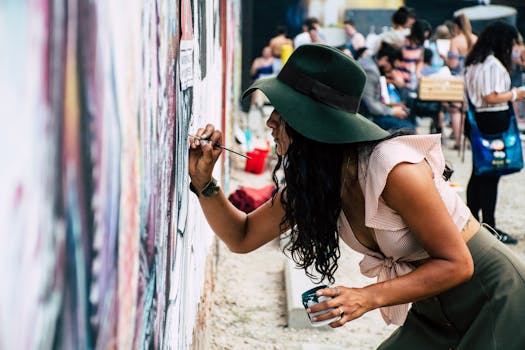
The path of professional artists in today’s creative landscape is rich with opportunities and challenges. Whether you’re just starting or a seasoned creator, understanding the modern dynamics is essential to carving out a successful career. Professional artists face unique challenges, from finding their niche to remaining financially sustainable in an ever-evolving industry.
The Role of Professional Artists Today
Professional artists play a pivotal role in society by offering unique perspectives and sparking creativity. Unlike hobbyists, they dedicate their careers to developing and sharing their artistic visions. This dedication requires not only talent but also a comprehensive understanding of the business and cultural landscape.
As technology advances, the ways in which art is created, distributed, and consumed are continually changing. Artists now have more tools and platforms to showcase their work, from social media to digital galleries. However, mastering these platforms can be daunting without a strategic approach.
Marketability and Business Acumen
Creativity alone may not sustain a career. Professional artists must intersect artistry with marketability. Understanding target audiences and engaging effectively with them can significantly enhance an artist’s career prospects. Learning to market effectively, negotiate contracts, and manage finances are vital skills.
Education and continuous learning are also important. For those aspiring to broaden their education abroad, exploring the best art schools in Europe can provide international exposure and diverse artistic influences.
Navigating the Digital World
The digital era provides various platforms where professional artists can flourish. Social media offers a cost-effective way to reach a global audience. Websites such as Instagram and YouTube are valuable for visual artists and performers to showcase their work.
However, navigating these platforms efficiently requires understanding algorithms, audience engagement metrics, and content strategy. Artists can utilize analytics tools to refine their online presence and make data-driven decisions to maximize impact.
Sustainability and Financial Viability
Maintaining financial viability is a common concern for professional artists. Building multiple streams of income can provide stability. These could include selling original works, prints, merchandise, teaching workshops, or crowdfunding projects.
It’s crucial for artists to understand the balance between commercial ventures and staying true to their creative vision. Developing a strong personal brand can help artists command higher prices and gain loyal patrons.
Community and Networking
For professional artists, community and networking are invaluable. Engaging with other artists, whether locally or online, can offer inspiration, collaboration opportunities, and valuable support systems. Workshops, art fairs, and artist residencies are excellent for building connections.
Shared studios and collaborative spaces can also be effective environments for fostering creativity and support. Membership in professional organizations brings access to resources and potential representation.
Innovation in Art Techniques
Artists are continuously pushing the boundaries of traditional mediums. Emerging technologies such as virtual reality, augmented reality, and 3D printing are being integrated into artistic practice, offering new dimensions and experiences in art.
These innovations not only expand artistic possibilities but also appeal to tech-savvy audiences. Staying updated with these technologies and experimenting with new tools can set artists apart in a competitive field.
Challenges Facing Professional Artists
While opportunities abound, professional artists also face significant challenges. Economic uncertainties, the difficulty of establishing a stable career, and the pressure to remain relevant are ongoing hurdles.
Securing funding for projects and balancing creativity with commercial obligations is often challenging. To thrive, artists must be resilient and adaptable, continually re-evaluating their goals and methods.
In conclusion, professional artists occupy a vital and dynamic role in today’s creative landscape. By harnessing technology, enhancing business skills, and remaining adaptable, artists can navigate the complexities of their field and pursue sustainable and fulfilling careers. For further reading on the broader context of education in the arts, explore this educational source.
- Professional artists are essential contributors to cultural and economic spheres.
- Establishing a balance between creativity and marketability is key to success.
- Digital platforms offer vast opportunities for audience engagement.
- Financial sustainability often requires diversifying income streams.
- Constant learning and adaptation remain necessary in an evolving industry.
How do professional artists sustain financial stability?
Professional artists often sustain financial stability by diversifying their income streams, such as selling artwork, teaching, and engaging in commercial projects.
What role does technology play in the work of professional artists?
Technology provides tools for creating and distributing art, broadening artistic platforms, and enhancing audience engagement through social media and digital galleries.
Why is networking important for professional artists?
Networking provides opportunities for collaboration, support, and exposure. It helps artists build relationships with peers, mentors, and audiences who can support their careers.
What challenges do professional artists face today?
Artists face challenges such as economic instability, the need for continuous innovation, and maintaining creative and commercial balance in their work.
What is the importance of continuous learning for professional artists?
Continuous learning helps artists stay updated on industry trends, enhances their business skills, and provides inspiration and new techniques for their artistic practice.