
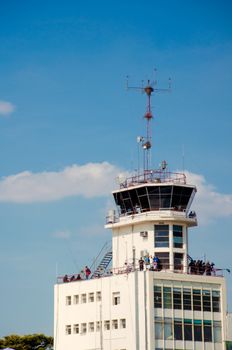
Air traffic control is a critical part of our air transportation system, ensuring the safety and efficiency of air travel. If you’re considering a career in this field, attending an air traffic control school is a pivotal step. This guide will explore everything you need to know about selecting the right program, understanding the curriculum, and the career path that follows.
What is Air Traffic Control School?
An air traffic control school is an educational program designed to train individuals to manage the flow of aircraft in and out of airports and through controlled airspace. These schools provide the necessary education and practical skills through a combination of classroom learning, simulations, and hands-on training. Students learn about aviation regulations, weather patterns, radar systems, and communication protocols.
Why Choose a Career in Air Traffic Control?
Choosing a career in air traffic control offers a unique blend of challenge and responsibility. Controllers play a crucial role in maintaining safety and efficiency in the skies, and the position offers competitive salaries and benefits. According to the U.S. Bureau of Labor Statistics, the median annual wage for air traffic controllers is significantly higher than the national average for other occupations.
Key Elements of Air Traffic Control Training
The curriculum at an air traffic control school typically covers several key areas:
- Introduction to Aviation: Understanding the basic principles of flight and aircraft operations.
- Navigation: Learning about airspace classification, charts, and navigation aids.
- Communication: Mastering the standardized communication procedures, including phraseology and protocols.
- Radar Operations: Training on radar equipment to track aircraft positions and coordinate movements.
- Weather: Analyzing meteorological conditions that affect air travel.
How to Choose the Right Program
When selecting an air traffic control school, consider the following factors:
- Accreditation: Ensure the program is certified by relevant aviation authorities.
- Facilities: Look for schools with modern simulators and equipment.
- Placement rates: Research the school’s graduate job placement statistics to gauge career prospects.
- Internship Opportunities: Programs that offer practical experience are invaluable.
For those interested in educational programs offering career support, consider exploring top jobs that offer learning while you earn.
Certification and Licensing
Upon completing an air traffic control school, graduates must pass a certification exam to become licensed air traffic controllers. This process usually involves a combination of written exams and practical assessments. Continuous education is often required to stay updated with new regulations and technologies in the field.
Preparing for a Career: What to Expect
After graduation and certification, new air traffic controllers often undergo on-the-job training. This period allows them to apply their skills in real-world scenarios under the supervision of experienced controllers. It’s an essential phase where trainees learn to handle the complexities of managing air traffic in various conditions.
Technological Advancements in Air Traffic Control
Technology plays a significant role in shaping the future of air traffic control. Advanced radar systems, computer-assisted displays, and data link communications are examples of how technology enhances efficiency and safety. Continued technological development ensures that air traffic control schools are constantly evolving to equip students with the latest skills.
The Future of Air Traffic Control
With the growth of air travel, the demand for air traffic controllers is expected to continue. The role involves high pressure but offers immense satisfaction in ensuring passenger safety. The future of air traffic control school programs, therefore, focuses on producing graduates who are adept at managing the ever-changing aviation landscape.
Conclusion
An air traffic control school is the gateway to a fulfilling and essential career in aviation. Through rigorous training and hands-on learning, aspiring controllers prepare to join a field that balances technological prowess with crucial safety responsibilities. As you consider this path, remember that the journey through air traffic control school is just the beginning of an exciting career.
- Air traffic control schools offer specialized training in aviation management and safety.
- Programs focus on navigation, communication, technology, and practical simulations.
- Choosing the right school involves considering accreditation, facilities, and career placement rates.
- Licensing is a crucial step post-graduation to become a certified controller.
- The industry benefits from continual technological advances in safety and efficiency.
FAQ
What qualifications do I need to attend an air traffic control school?
Generally, you’ll need a high school diploma or equivalent, though some programs may require additional education or testing.
How long does it take to complete air traffic control training?
The duration can vary, but most programs take 2 to 4 years, including the certification process.
What skills are essential for becoming an air traffic controller?
Strong communication, decision-making, and problem-solving skills are crucial. The ability to work under pressure is also important.
Are there any physical or health requirements?
Yes, controllers must meet certain vision, hearing, and physical health standards to ensure they can perform their duties safely.
Can prior experience help in entering an air traffic control school?
Prior experience in aviation or a related field can be beneficial, though it’s not always required. Some experience may expedite the learning process.

