
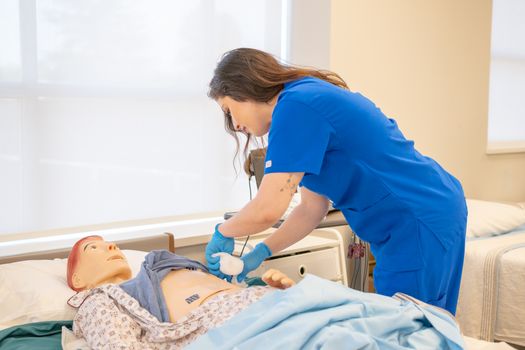
Understanding the duration and structure of nursing education is crucial for aspiring nurses. Whether you aim to become a Registered Nurse (RN) or pursue an advanced nursing qualification, one key question looms large: how long is nursing school? The answer depends largely on the type of nursing degree or certifications you choose and whether you study full-time or part-time.
Factors Influencing How Long Is Nursing School
Several factors affect the length of time you will spend in nursing school. These include the type of nursing program you choose, your enrollment status, and any prior educational credits or experience you might have. Below, we delve into these aspects to provide you with a comprehensive understanding.
Types of Nursing Programs
Nursing education varies significantly in terms of duration. Here are the main pathways:
- CNA (Certified Nursing Assistant): This is the quickest path into nursing, usually taking 4-12 weeks, depending on the program. It’s a practical route for those eager to start working in a healthcare setting.
- LPN/LVN (Licensed Practical Nurse/Licensed Vocational Nurse): Typically, these programs take about 12 months to complete. They offer foundational nursing skills and grant eligibility to sit for the NCLEX-PN licensing exam.
- ADN (Associate Degree in Nursing): An ADN generally takes two years to complete. It prepares you to sit for the NCLEX-RN and begin working as an RN.
- BSN (Bachelor of Science in Nursing): Aimed at those looking farther ahead in their careers, a BSN usually requires four years of full-time study. This degree opens the doors to more advanced positions and postgraduate study opportunities.
Enrollment Options
Another critical factor is whether you choose a full-time or part-time program. Full-time students typically complete their studies quicker than part-time students. However, part-time study allows for greater flexibility, making it an appealing option for those balancing work or family obligations.
For more detailed insights on starting your nursing journey, explore resources on how to ace your nursing prerequisites online.
Advanced Nursing Degrees
For those aspiring to specialized and higher-paying roles, further education may be required:
- MSN (Master of Science in Nursing): Generally, this takes an additional one to two years after a BSN, though some accelerated programs are available for motivated students.
- DNP/Ph.D. in Nursing: These programs can take three to six years after receiving a BSN or MSN, focusing on advanced clinical practice or research.
Pursuing advanced degrees often involves a significant time commitment. Still, they offer specialized knowledge and skills, elevating your career in the nursing field.
Key Considerations When Choosing a Nursing Program
Beyond understanding how many years is nursing school, it’s essential to consider personal goals, financial implications, and the time you can realistically commit. Different programs offer varied financial aid and scholarship opportunities, which could influence your decision greatly.
The Role of Online and Hybrid Programs
Technological advancements have led to the rise of online and hybrid nursing programs, which offer a mix of virtual learning and in-person clinical hours. These programs often cater to those who need flexibility in their education schedule. Depending on the program structure, these might take the same amount of time as traditional programs or allow for quicker completion.
Licensing and Continuing Education
Once you complete your initial nursing program, you will need to pass the appropriate NCLEX examination to obtain your nursing license. After becoming a licensed nurse, ongoing education is necessary to maintain licensure. Continuing education might not affect how long is rn school initially, but it plays a crucial role in career longevity and advancement.
For reliable details about nursing roles and education, check the U.S. Bureau of Labor Statistics at BLS – Registered Nurses.
Final Thoughts on How Long Is Nursing School
In summary, the answer to the question of how long is nursing school varies widely depending on multiple factors like program choice, enrollment type, and career goals. Whether it takes weeks, months, or years, the key is to choose a program that aligns with your professional aspirations and personal circumstances.
- Nursing programs range from a few weeks to several years.
- Advanced degrees require additional years of study.
- Online and hybrid programs offer flexibility.
- Choose a path aligning with your career goals and life commitments.
How long is a typical associate degree in nursing program?
An ADN typically takes about two years to complete, assuming full-time enrollment. This program provides the essential skills for entry-level nursing roles.
What is the duration of a BSN program?
A Bachelor of Science in Nursing generally requires four years of full-time study. It involves both clinical practice and academic coursework.
Can I complete nursing school online?
Many institutions offer online or hybrid nursing programs that combine virtual learning with required in-person clinical experiences, providing greater flexibility for students.
Are there accelerated tracks available for nursing?
Yes, some schools offer accelerated BSN or MSN programs for those who already hold a degree in another field, significantly reducing the duration of study.
Is a master’s degree necessary for advanced nursing roles?
While not mandatory for all advanced roles, a Master of Science in Nursing can provide specialized knowledge and better opportunities in leadership, education, or specialized clinical practice.

