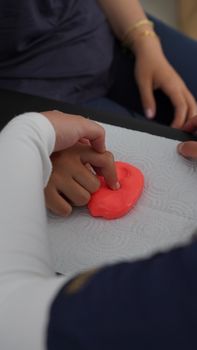
A child struggles to hold a pencil after an injury. An older adult wants to dress independently after a stroke. A worker needs to regain hand strength before returning to a job. In each situation, an occupational therapy assistant may help turn a treatment plan into practical activities that support everyday independence.
For people considering a hands-on healthcare career without completing a four-year degree, occupational therapy assistant jobs can offer meaningful patient contact, competitive pay, and strong employment prospects. However, the work also requires formal education, clinical training, licensure, physical stamina, and close collaboration with an occupational therapist.
What Does an Occupational Therapy Assistant Do?
An occupational therapy assistant, commonly called an OTA, helps people develop, recover, or maintain the skills needed for daily activities. “Occupation” does not refer only to employment. In occupational therapy, it includes meaningful activities such as bathing, preparing meals, attending school, caring for family members, participating in hobbies, and completing work tasks.
Occupational therapists evaluate clients, establish goals, and develop treatment plans. OTAs provide many of the planned interventions and report how clients respond. Although assistants contribute observations and suggestions, they work under the supervision of licensed occupational therapists and do not independently direct the evaluation process.
Typical OTA responsibilities include:
- Guiding clients through therapeutic exercises and activities
- Teaching safer ways to complete dressing, grooming, cooking, and household tasks
- Helping children improve coordination, sensory processing, handwriting, or classroom participation
- Showing clients how to use adaptive equipment, such as dressing aids or specialized utensils
- Supporting recovery of strength, mobility, attention, and fine motor skills
- Educating family members and caregivers about recommended techniques
- Documenting treatment sessions and changes in the client’s performance
- Communicating progress or concerns to the supervising occupational therapist
The exact duties depend on state regulations, the employer, the treatment setting, and the OTA’s training and experience.
Who Do Occupational Therapy Assistants Help?
OTAs work with people of all ages. A pediatric assistant might help a child participate more comfortably in school routines, while an OTA in a rehabilitation facility may help an adult relearn daily tasks after a brain injury. In a nursing facility or home health role, the focus may be fall prevention, safe transfers, energy conservation, or adapting the home environment.
Clients may have arthritis, stroke-related limitations, developmental disabilities, orthopedic injuries, neurological conditions, cognitive changes, or other challenges affecting daily function. Treatment is based on what matters to the individual. For one person, success may mean using a computer again. For another, it may mean getting into the shower safely or preparing a simple meal without assistance.
Where Are Occupational Therapy Assistant Jobs Available?
Common employers include rehabilitation clinics, hospitals, skilled nursing facilities, schools, home healthcare agencies, and outpatient therapy offices. Some OTAs also work in mental health programs, community organizations, early-intervention services, and specialty rehabilitation settings.
The daily experience can vary considerably. School-based OTAs generally follow the academic calendar and help students participate in educational activities. Hospital and nursing facility positions may involve medically complex patients and weekend shifts. Home health assistants travel between clients and must be comfortable working independently while maintaining communication with the supervising therapist.
Most positions involve substantial time standing, bending, kneeling, and moving equipment. Assistants may also help clients transfer between beds, chairs, or mobility devices. Correct body mechanics and adherence to safety procedures are important for protecting both the client and the practitioner.
Education, Certification, and Licensing Requirements
The usual entry-level education is an associate degree from an occupational therapy assistant program accredited by the Accreditation Council for Occupational Therapy Education. Programs typically combine classroom instruction, laboratory practice, and supervised fieldwork. Coursework may cover anatomy, physiology, medical terminology, mental health, therapeutic techniques, assistive technology, documentation, and professional ethics.
After graduating from an accredited program, candidates generally take the national certification examination administered by the National Board for Certification in Occupational Therapy. Those who pass may use the Certified Occupational Therapy Assistant, or COTA, credential.
Certification and state licensure are related but separate. OTAs must satisfy the licensing rules in the state where they plan to practice. Requirements may include an application, fees, a background check, proof of education, examination results, and continuing education after licensure. Prospective students should review their state board’s current requirements before enrolling or applying for work.
Readers comparing this position with related professions can also review this overview of career opportunities throughout occupational therapy.
How Much Do Occupational Therapy Assistants Earn?
According to the U.S. Bureau of Labor Statistics occupational outlook for therapy assistants and aides, occupational therapy assistants earned a median annual wage of $72,300 in May 2025. The lowest-paid 10 percent earned less than $51,490, while the highest-paid 10 percent earned more than $89,780.
Pay varies by location, experience, schedule, and workplace. In May 2025, the reported median was $77,310 in home healthcare services and $76,780 in skilled nursing facilities. Median pay was $70,740 in therapy and audiology offices, $67,020 in hospitals, and $60,920 in educational services.
These figures represent national medians rather than guaranteed starting salaries. Entry-level applicants should compare local wage data while considering benefits, travel requirements, productivity expectations, weekend work, and the cost of living.
Career Outlook and Advancement
The employment outlook is favorable. The Bureau of Labor Statistics projects employment of occupational therapy assistants to grow 21 percent from 2025 to 2035, compared with 3 percent for all occupations. Employment is projected to rise from approximately 52,200 to 63,400 positions during that period.
Demand is expected to be supported partly by an aging population and the need for rehabilitation services following illnesses, injuries, and age-related changes. OTAs may also be needed in pediatric, community, and long-term care programs that help people participate safely in daily life.
Experienced assistants can pursue specialty knowledge in areas such as pediatrics, neurological rehabilitation, aging, hand therapy, or assistive technology. Some move into clinical coordination, education, or management roles. Others return to school to become occupational therapists, which requires additional graduate-level education and licensure.
Is This Career a Good Fit?
Successful OTAs tend to be patient, observant, adaptable, and encouraging. The job may be rewarding for someone who enjoys solving practical problems and building relationships with clients. It can also be emotionally and physically demanding. Progress is not always quick, and clients may feel discouraged, uncomfortable, or fearful while relearning activities.
Before pursuing occupational therapy assistant jobs, consider observing an OTA, speaking with local programs, and reviewing job postings in your area. Look beyond salary to evaluate supervision, caseload expectations, documentation time, scheduling, and opportunities for professional development. For the right person, the career offers a direct role in helping people regain confidence and participate more fully in everyday life.