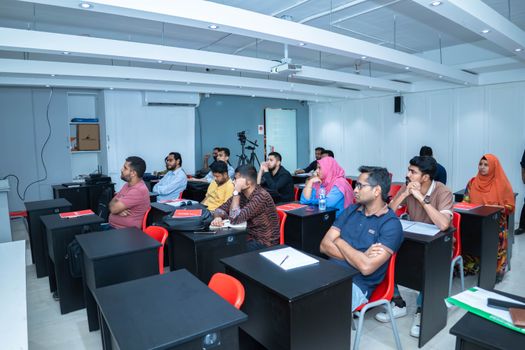
You may be ready to start a career but feel stuck because you lack experience, a diploma, reliable housing, or money for training. If that sounds familiar, the Phoenix Job Corps Center in Phoenix, AZ, may offer a practical next step. This federally funded program combines career preparation, academic support, housing, meals, and personal guidance so eligible young adults can focus on becoming ready for work.
Job Corps is not a short workshop or an online course. It is a structured, full-time program that requires regular attendance, steady effort, and compliance with campus rules. For students who are prepared to commit, the Phoenix center can provide hands-on training and a more supportive path toward employment, an apprenticeship, college, or advanced training.
What Does the Phoenix Job Corps Center Offer?
The center provides career technical education alongside academic and employability-skills instruction. Students learn through classroom lessons, practical exercises, and supervised career preparation. Training is self-paced to some extent, so completion time depends on the chosen field, the student’s progress, and whether additional education is needed.
The Phoenix campus currently lists training in the following areas:
- Carpentry, pre-apprentice
- Cement masonry, pre-apprentice
- Clinical medical assistant
- Office administration
- Plastering, pre-apprentice
- Security and protective services
These options serve students with different interests and working styles. Someone who enjoys building and physical work may prefer carpentry, cement masonry, or plastering. A student interested in patient care and medical-office procedures may consider clinical medical assistant training. Office administration may suit an organized person who wants to work with records, documents, databases, and business technology. Security training focuses on protecting people or property and following safety procedures.
Program availability and entry requirements can change, so applicants should review the official Phoenix Job Corps training programs before selecting a career path. Some programs may require specific reading, math, physical, licensing, or background qualifications.
Academic Education and Workplace Skills
Career instruction is only one part of the experience. Students who have not completed high school may be able to work toward a high school diploma or equivalent while enrolled. The center also provides instruction in reading and math, English-language learning support, and tutoring from instructors or peer tutors.
Students practice skills that employers expect but that are not always taught in a traditional classroom. These include arriving on time, communicating professionally, following instructions, handling disagreements, working with people from different backgrounds, and taking responsibility for assigned tasks. Career planning may also cover resumes, interviews, job searches, workplace ethics, and independent living.
Qualified students who complete career technical training may explore Advanced Career Training opportunities. This can allow eligible participants to continue their education at the college level while receiving Job Corps support. Admission is not automatic and may depend on academic achievement, recommendations, conduct, and completion of earlier training requirements.
Who Is Eligible to Apply?
Eligibility is determined individually by Job Corps admissions staff. In general, applicants must meet several basic conditions:
- Be between 16 and 24 years old at enrollment
- Meet applicable low-income requirements
- Be a U.S. citizen, legal resident, resident of a U.S. territory, or otherwise authorized to work in the United States
- Meet background-related requirements
- Be interested in career training, education, or preparation for employment
- Be able and willing to follow program and campus rules
The maximum age requirement may be waived for some applicants with disabilities, although the minimum age remains 16. Applicants younger than 18 generally need consent and assistance from a parent, guardian, or another approved representative.
Income eligibility depends on the applicant’s circumstances. If an applicant lives with parents and is claimed as a dependent, household income may be considered. If the applicant lives independently and is not a dependent, admissions staff may evaluate the applicant’s own income. Because the rules involve exceptions and documentation, students should not assume they are ineligible without speaking to an Admissions Representative.
How the Application Process Works
The process begins by creating a MyJobCorps account and completing an application. Applicants may need to provide documents confirming identity, age, income, citizenship or residency status, and work authorization when applicable.
After submission, an Admissions Representative reviews the application, schedules an interview, discusses the applicant’s goals, and requests any missing documents. Applicants must also complete a background check. A health questionnaire helps the program understand whether the student may need medical support or reasonable accommodations, but specific health information is handled separately from the initial eligibility decision.
The admissions process can take several weeks or longer. Missing documents, inaccurate information, difficulty contacting the applicant, a required medical review, or a waitlist for a popular training area can cause delays. Responding promptly and keeping contact details current can help prevent avoidable setbacks.
What Is Student Life Like?
Many students live on campus in furnished dormitories with roommates. The Phoenix center also provides daily meals, books, training supplies, uniforms, and specialized safety equipment. Students may receive a basic living allowance twice a month, although it should be viewed as limited personal support rather than regular wages.
The campus has a cafeteria, wellness services, and recreation space. Basic medical, dental, vision, and mental health services are available to support students during enrollment. The center may also help student parents identify affordable child care options nearby, but applicants should discuss their specific family needs before accepting an enrollment offer.
A typical weekday starts with breakfast and preparation for classes. The main part of the day includes academic instruction and hands-on career training, with a lunch break around midday. Evenings may include dinner, studying, recreation, student organizations, or other enrichment activities.
New students spend their first weeks learning campus procedures, meeting instructors and counselors, completing assessments, and developing a career plan. Living with roommates, following a schedule, and adjusting to shared rules can take time. Counselors, instructors, residential staff, and student mentors can help with that transition.
Rules, Safety, and Personal Responsibility
Job Corps maintains conduct standards intended to protect students and staff. Harassment, bullying, violence, alcohol, and illegal drug use are not accepted. Students should expect a mandatory drug test and must follow center policies throughout enrollment.
Success depends on more than passing assignments. Students are expected to attend training, respect others, care for shared spaces, follow safety procedures, and respond constructively to feedback. Repeated misconduct or failure to participate can affect continued enrollment.
Is Phoenix Job Corps the Right Choice?
The Phoenix Job Corps Center may be a strong fit for a young person who wants structured training but needs more support than a typical school or entry-level job provides. Its combination of education, career preparation, housing, meals, health services, and counseling can reduce many barriers that make it difficult to concentrate on long-term goals.
However, the program works best for students who are willing to follow a full-time schedule and live within a rule-based community. Before applying, consider your preferred career field, readiness to share space with others, ability to accept guidance, and willingness to remain committed when training becomes challenging.
Families and prospective students can also learn more by reviewing the career advancement benefits of Job Corps programs. An honest conversation with an Admissions Representative can then clarify eligibility, available training, housing arrangements, accommodations, and what to expect after graduation.