
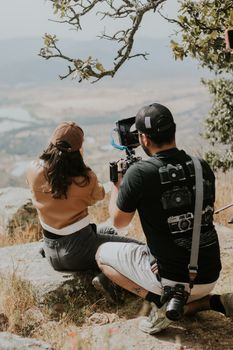
In today’s digital age, the demand for skilled filmmakers has skyrocketed. As the magic behind every cinematic shot, cameramen play a crucial role in bringing stories to life. If you’re considering a path to become a cameraman, understanding the fundamentals of cameraman education is essential. From mastering technical equipment to developing a creative eye, education sets the foundation for a successful career in filmmaking.
The Pathway to Cameraman Education
Pursuing a cameraman career begins with a solid educational background. Various courses focus on the technical aspects of handling a camera, filming techniques, and understanding lighting. These educational programs are designed to cultivate both technical and creative skills which are indispensable for a professional cameraman.
Understanding the Role of a Cameraman
The role of a cameraman extends beyond just pointing and shooting a camera. They have the responsibility of setting the scene, adjusting focus, employing lighting effects, and often contributing to the creative process of storytelling. As such, aspiring cameramen should seek comprehensive education that addresses both the artistic and technical dimensions of filmmaking.
Key Elements of Cameraman Education
To fully equip oneself with the necessary skills, one should consider enrolling in a film school or specific cameraman courses that offer both theoretical instruction and hands-on practice. These programs often cover:
- Technical Training: Understanding different types of cameras, lenses, and filming accessories.
- Lighting Techniques: Learning how lighting affects the mood and clarity of a shot.
- Framing and Composition: Mastering the art of composition to enhance the narrative power of shots.
- Editing Skills: Basic knowledge of film editing tools is necessary to understand better how shots are assembled.
- Internships and Workshops: Real-world experience through internships and workshops enables practical learning and networking.
Essential Skills for a Successful Cameraman
Beyond formal cameraman education, certain skills are crucial in the real world. Creativity, attention to detail, and communication skills can significantly enhance a cameraman’s ability to collaborate effectively on film sets. Being adaptable and quick to respond under varying conditions is vital.
Exploring Career Opportunities
Having completed your education, a range of opportunities open up for aspiring cameramen. Film and television industries are the most prominent sectors that require skilled cameramen. However, opportunities also exist in advertising, corporate video productions, and digital content creation.
Building a Career Portfolio
A strong portfolio showcasing your work is essential for a cameraman. This portfolio should include varied work samples to demonstrate your versatility and expertise in different filming conditions and projects. Early career projects, internships, and freelance work are excellent opportunities to build out your portfolio.
Searching for the Right Education
Finding the right educational program involves exploring various options. Universities and specialized film schools provide numerous courses tailored to the art of filmmaking. To aid this exploration, check out our detailed review of the best graphic design and film schools.
Certification and Continuous Learning
Additional certifications in specialized areas, such as advanced editing techniques or animation, can further your career prospects. Additionally, staying updated with the latest technologies and trends in filmmaking is crucial for continued growth and success.
For a comprehensive understanding of education in general, you can visit this detailed explanation.
Concluding Thoughts on Cameraman Education
Becoming a skilled cameraman involves a combination of comprehensive education, skillful application, and continuous learning. By engaging fully with cameraman education, aspiring cinema artists set themselves up for a rewarding career in the diverse and exciting field of filmmaking.
- Comprehensive cameraman education blends technical training with creative development.
- Practical experience through internships is invaluable.
- Building a robust portfolio is critical for career advancement.
- Explore various schools to find the right fit for your education in film.
- Continuous learning keeps you current with evolving technologies and trends.
Is a formal education necessary to become a cameraman?
While a formal education is not mandatory, it significantly expands one’s knowledge and skills, making it easier to enter the professional world. Many aspiring cameramen benefit from structured learning environments that offer both theoretical and hands-on training.
What key skills should a cameraman possess?
A cameraman should have technical proficiency with cameras and equipment, a good eye for composition, creativity, and strong communication skills. Attention to detail and the ability to work collaboratively are also essential.
How can I gain real-world experience as a cameraman during my education?
Participating in internships, workshops, and school film projects are excellent ways to gain practical experience. These opportunities make you industry-ready by allowing you to apply classroom theories to real-world applications.
Should I specialize in a particular type of camera equipment during my education?
While having expertise in a specific type of equipment can be beneficial, a broad understanding of various camera types and technologies is generally more advantageous. Specializing can occur as your career develops and you identify your niche.
How does continuous learning benefit a cameraman?
Continuous learning ensures that a cameraman stays updated with the latest technological advancements and trends, enhancing both their skill sets and career opportunities. Lifelong education is crucial in the rapidly evolving field of filmmaking.

