You may see a two-year health program and assume it is a quick route to operating medical equipment. Radiation therapy education is more demanding than that. Students must learn precise treatment techniques, radiation safety, cancer care, and patient communication while completing supervised clinical training. Choosing among radiation therapy schools therefore means looking beyond program length or tuition.
The best program is one that prepares you for certification, any required state license, and the realities of caring for people undergoing cancer treatment. Here is what to expect from the available program options and what employers typically want from new graduates.
What does a radiation therapist do?
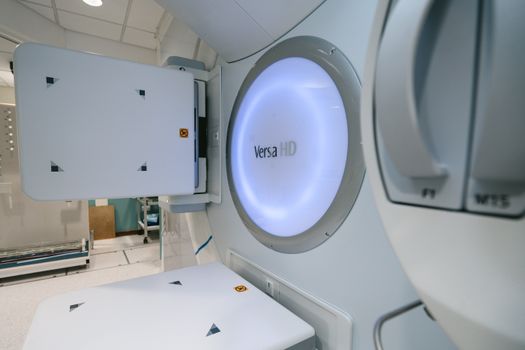
Radiation therapists deliver radiation treatments prescribed by radiation oncologists. They use equipment such as linear accelerators, position patients accurately, confirm treatment information, maintain detailed records, and follow strict safety procedures. They may also assist with CT simulation, immobilization devices, and other steps used to prepare patients for treatment.
This is both a technical and patient-facing occupation. A therapist may work with the same patient repeatedly during a course of treatment. Patients may be tired, uncomfortable, or worried, so employers need professionals who can operate complex technology without losing sight of the person receiving care.
Radiation therapists do not independently diagnose cancer or prescribe radiation doses. They work as part of an oncology team that may include radiation oncologists, medical physicists, medical dosimetrists, nurses, and other healthcare professionals.
Program options at radiation therapy schools
Associate degree programs
An associate degree is a common entry-level route. These programs combine general education with radiation therapy courses and clinical experience. Full-time study often takes about two years after required prerequisites, although the total timeline can be longer if science courses must be completed first.
An associate program may be a practical choice for someone entering healthcare for the first time. However, applicants should confirm that the curriculum meets certification and licensing requirements rather than assuming every degree with “radiation” in its name qualifies.
Bachelor’s degree programs
Bachelor’s programs generally include the same core clinical preparation while allowing additional study in areas such as healthcare management, research, advanced technology, or public health. They may appeal to students who want a traditional four-year college experience or who are interested in future leadership and educational roles.
A bachelor’s degree is not automatically required for every entry-level radiation therapist position. Employers often focus on certification eligibility, clinical competence, and applicable licensure. Still, the broader education may support long-term professional development.
Certificate programs
Certificate pathways are often designed for applicants who already have an associate or bachelor’s degree, and some are intended for professionals with previous radiologic sciences education. Admission requirements differ substantially. A certificate alone does not necessarily satisfy every degree, certification, or licensing requirement.
Under the primary eligibility pathway, candidates generally need an approved radiation therapy education program and an associate degree or higher. Review the current ARRT education requirements for radiation therapy certification before enrolling in any certificate program.
Hybrid and distance-learning formats
Some radiation therapy schools offer lectures online or in a hybrid format. The entire program cannot be completed through independent online study because students need hands-on laboratory instruction and supervised clinical experience with patients and treatment equipment.
Before choosing a distance option, ask where clinical rotations take place, how often campus attendance is required, and whether students must arrange their own clinical site. Travel time matters because clinical shifts may begin early and occur several days per week.
What will you study?
Curricula vary, but students commonly study:
- Anatomy, physiology, and medical terminology
- Radiation physics and radiobiology
- Oncology and cancer treatment principles
- Radiation protection and equipment safety
- Patient positioning and immobilization
- CT simulation and treatment localization
- Treatment procedures and dose concepts
- Patient care, ethics, and communication
- Quality assurance and clinical documentation
Clinical education is essential. Under supervision, students learn to verify patient identity and treatment information, position patients accurately, operate equipment, recognize concerns, and communicate with the oncology team. Clinical rotations also reveal the physical and emotional demands of the occupation. Therapists spend considerable time standing and may help patients who have limited mobility.
Accreditation, certification, and state licensing
These terms are related but not interchangeable. Accreditation evaluates an educational program or institution. Certification shows that an individual has met a credentialing organization’s requirements. Licensure is legal permission from a state to practice within that jurisdiction.
Many students look for programmatic accreditation through the Joint Review Committee on Education in Radiologic Technology. Regardless of accreditation label, ask the school to confirm in writing that graduates are eligible for the appropriate certification examination and meet educational requirements in the state where they intend to work.
Most employers prefer or require ARRT certification and registration in radiation therapy, commonly written as R.T.(T). Many states also regulate radiation therapists, but requirements vary. Moving after graduation can create additional paperwork or educational questions, so investigate the rules for every state where you may seek employment.
What employers expect from graduates
A diploma may qualify you to apply, but employers evaluate whether you can provide safe, dependable care. Common expectations include:
- Certification and licensure readiness: Employers may require current ARRT credentials, a state license, or eligibility to obtain them within a specified period.
- Accurate clinical performance: Small details matter when verifying prescriptions, treatment settings, patient identity, and positioning.
- Radiation safety knowledge: Graduates must consistently follow exposure-control procedures and facility protocols.
- Compassionate communication: Therapists need to explain procedures clearly, listen to concerns, and help patients remain still and comfortable.
- Technical adaptability: Employers value familiarity with treatment equipment, CT simulation, electronic records, imaging systems, and treatment-management software.
- Teamwork: Safe treatment depends on effective communication with physicians, physicists, dosimetrists, nurses, and fellow therapists.
- Professional reliability: Attendance, confidentiality, documentation, ethical judgment, and the ability to accept feedback all affect patient care.
- Basic life-support preparation: Many facilities require Basic Life Support or another approved CPR credential.
Employers understand that a new graduate will still need orientation to a facility’s equipment and procedures. Strong clinical references, a record of dependable performance, and confidence without overstepping one’s training can make an applicant more competitive.
How to compare schools before applying
Do not base your choice on the school’s name or advertised program length alone. Ask each program the following questions:
- Will completion make me eligible for ARRT certification and licensing in my state?
- What is the program’s current accreditation status?
- What are its certification-exam pass, completion, and job-placement rates?
- Which hospitals or cancer centers provide clinical training?
- How far might I travel for clinical rotations?
- What is the complete cost, including fees, uniforms, insurance, examinations, and transportation?
- Are clinical placements guaranteed by the program?
- What academic or tutoring support is available?
- Can current students or recent graduates describe their experience?
Prospective students should also review prerequisite grades, background-check policies, health and immunization requirements, physical expectations, and rules concerning drug screening. If you are still deciding whether the occupation fits your goals, this overview of preparing for a career in radiation therapy can help you consider the broader career path.
Choosing a program that leads to employment
Good radiation therapy schools prepare students to be more than equipment operators. They develop professionals who can combine technical precision, safety awareness, teamwork, and compassionate patient care. Confirm certification eligibility first, examine clinical opportunities and outcomes, and speak directly with program staff before committing. A careful comparison now can prevent licensing problems later and help you enter the workforce with skills employers can trust.