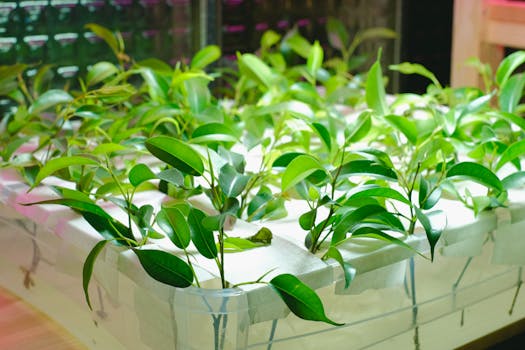
In the quest for sustainable living, hydroponic pods have emerged as a leading solution for eco-friendly gardening. These innovative systems allow you to grow plants without soil, using mineral nutrient solutions instead. This method is rapidly gaining popularity among gardening enthusiasts and sustainability advocates for its efficiency and minimal environmental impact.
The Benefits of Hydroponic Pods
Hydroponic pods offer numerous advantages over traditional soil-based gardening. First and foremost, they utilize up to 90% less water, as the water used in hydroponics is recirculated within the system. This makes it an ideal solution for areas with limited water resources.
Moreover, hydroponic pods can be set up indoors, making it possible to grow fresh produce year-round, regardless of climate conditions. By optimizing the growing environment, these systems often result in faster plant growth and higher yields compared to outdoor gardens.
Setting Up Your Hydroponic Pod System
To set up a successful hydroponic pod system, you will need a few essential components: a container or series of containers, a water reservoir, a pump and delivery system, grow lights (if indoors), and a nutrient solution tailored to the plants you wish to grow.
Start by selecting the right size and type of pod system based on the space available and the variety of plants you plan to cultivate. This step is crucial for optimizing plant growth conditions. Once your system is set up, monitor and maintain the correct nutrient solution concentration, pH levels, and lighting to ensure healthy growth.
Applications of Hydroponic Pods
Hydroponic pods are incredibly versatile and can be used for various applications. They are particularly popular among urban dwellers with limited outdoor space, enabling them to create lush, green environments right at home.
Educational settings have also embraced hydroponic systems as a tool for teaching students about plant biology, sustainability, and technology. Hydroponics in schools provides hands-on learning opportunities that highlight the importance of innovation in agriculture.
Considerations for Sustainability
When integrating hydroponic pods into your life as part of a sustainable lifestyle, consider energy consumption and waste management. Use energy-efficient LED grow lights and consider renewable energy sources like solar panels to power your system.
Additionally, it’s important to recycle or properly dispose of nutrient solutions and plant debris. Adopting sustainable practices, such as composting plant waste, minimizes the environmental impact of your garden.
Creating a new career path in sustainable gardening could be an excellent opportunity for personal growth and environmental contribution.
The Future of Hydroponic Pods in Urban Farming
As the population continues to urbanize, hydroponic pod systems are emerging as valuable tools for urban agriculture. Their compact size, reduced water usage, and high efficiency make them ideal for dense urban areas.
Future developments in hydroponics promise even greater sustainability and technological integration. Innovations such as automated systems that monitor plant health and optimize resource use are likely to become more common, making hydroponic gardening more accessible than ever.
Hydroponic pods may well become the cornerstone of sustainable living in urban environments, offering a practical solution to food security and green space challenges.
Conclusion
Embracing hydroponic pods in your gardening endeavors not only supports sustainable living but also offers a rewarding way to connect with nature. This method aligns with the growing trend towards self-sufficiency and environmental stewardship. By incorporating hydroponic systems, individuals can contribute to a greener future.
- Hydroponic pods use significantly less water than traditional gardening.
- These systems are suitable for indoor and year-round cultivation.
- They provide high yield and rapid plant growth.
- Sustainable practices can further minimize environmental impact.
- Urban farming with hydroponics offers solutions to space and food security issues.
What are hydroponic pods?
Hydroponic pods are gardening systems that allow plants to grow without soil, using a nutrient-rich water solution instead.
How do hydroponic systems save water?
Hydroponic systems save water by recirculating it within the system, significantly reducing the need for fresh water compared to soil-based gardening.
Can I set up a hydroponic system at home?
Yes, hydroponic systems can be set up at home with the right materials, and they are especially ideal for indoor and small-space gardening.
Are hydroponic plants healthier than soil-grown plants?
Hydroponically grown plants often have a similar nutritional profile to soil-grown plants, but they grow faster and may be less susceptible to soil-borne diseases.
What are some tips for maintaining a hydroponic garden?
Regularly monitor nutrient levels, pH, and lighting conditions to maintain a healthy hydroponic garden. Additionally, clean the system regularly to prevent algae growth.