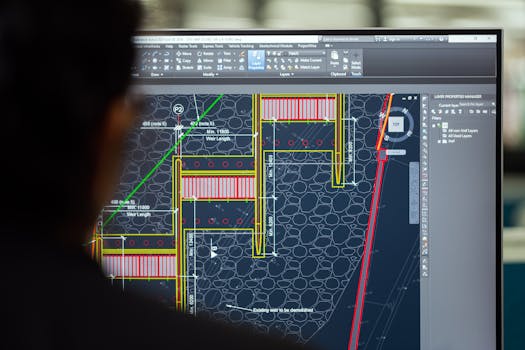
In the world of golf, innovation is continually shaping the landscape, and the introduction of golf course design software is at the forefront of this transformation. This software is revolutionizing how golf courses are planned, designed, and maintained. By integrating advanced features like 3D modeling and real-time simulations, golf course architects can now visualize and refine their designs at unprecedented levels of detail.
The Emergence of Golf Course Design Software
Golf course design software has rapidly emerged as an essential tool for both new and seasoned designers. Traditionally, the creation of a golf course involved architects relying on extensive site visits and manual drawings, which were both time-intensive and costly. Today, designers can craft intricate layouts using software programs that offer numerous advantages, from precise measurements to environmental impact assessments.
Benefits of Using Design Software
One of the most significant advantages of using golf course design software is the ability to experiment with various design options without the need for physical alterations. Designers can predict the outcome of changes, optimize layouts for sustainability, and ensure that the course adheres to regulations.
Furthermore, many software solutions offer built-in tools to simulate gameplay. This allows architects to optimize the design for both amateur and professional golfers. Additionally, some programs offer the ability to model the landscape in 3D, giving stakeholders a tangible view of the completed project long before construction begins.
Environmental Considerations and Sustainability
Modern golf course design software is often equipped with features that allow designers to evaluate the environmental implications of their designs. By analyzing water usage, wildlife habitats, and terrain management, architects can create sustainable courses that minimize ecological disruption. This capability is a significant step forward, ensuring that new courses are not only playable but also environmentally responsible.
Key Features of Leading Design Software
When selecting golf course design software, potential buyers should consider programs with a strong suite of features. These features often include:
- 3D Modeling: Visualize your course in a dynamic, interactive environment.
- Simulation Tools: Test player interactions and course difficulty.
- Landscaping and Terrain Tools: Design accurate and appealing topographies.
- Sustainability Analysis: Assess environmental impact and optimize resources.
- Golf Simulation Games: Merge design with player experiences by testing course layouts virtually.
These features contribute to not only a more efficient design process but also enhance creativity and innovation in projects.
Case Studies: Transformations with Design Software
Throughout the industry, there are numerous examples of courses that have undergone significant transformations, thanks to golf course design software. By enabling architects to communicate their vision clearly, these tools have been pivotal in producing some of the most iconic courses of recent times.
For more on the developments in other fields related to education and technology, check out our comprehensive guide on writing letters of recommendation.
The Future of Golf Course Design with Technology
Looking forward, the application of advanced technologies in golf course design software is set to expand. The integration of augmented reality (AR) and virtual reality (VR) could offer new dimensions for design and layout visualization. Additionally, with the ongoing development of AI, there may soon be tools that can autonomously suggest design improvements based on data-driven insights.
With each advancement, the possibilities for designing an engaging, sustainable, and beautiful golf course become ever greater. Understanding these tools will be essential for anyone involved in the golf industry, as leveraging technology can lead to increased efficiency and creativity.
For more information on the educational and technological implications of these innovations, you can explore further on Wikipedia’s education page.
The integration of golf course design software in today’s design processes marks a turning point in the creation and sustainability of golf courses. By harnessing the power of technology, designers are better equipped to face both the creative and environmental challenges of tomorrow’s golfing landscapes.
- Golf course design software offers 3D modeling and simulation features.
- Software helps in planning sustainable and environmentally friendly courses.
- Technology provides precision, efficiency, and creativity in course design.
- AI and VR may significantly shape the future of golf course design.
What is golf course design software?
Golf course design software is a technology tool that assists architects and designers in planning, visualizing, and refining golf courses using features like 3D modeling and environmental simulations.
How does design software benefit golf courses?
It provides precise layout capabilities, environmental assessments, and ensures a sustainable design process, reducing time and costs related to traditional design methods.
Can this software predict the environmental impact of a golf course?
Yes, many programs offer features that allow designers to assess the water and land use, analyze wildlife habitats, and ensure designs are eco-friendly.
Is it possible to test a golf course design before it’s built?
Yes, simulation tools within the software enable designers to virtually playtest the course, allowing for real-time adjustments before construction.
What future technologies might integrate with golf course design software?
The future may see increased use of augmented reality, virtual reality, and artificial intelligence, which will offer more robust design and analysis features.