
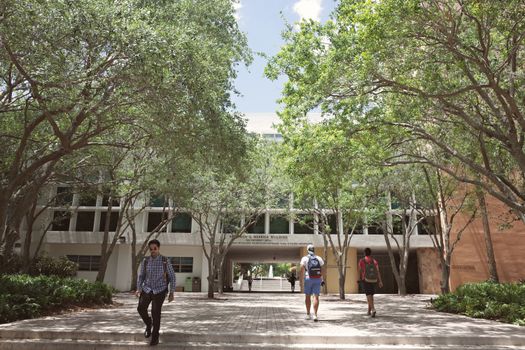
You may be ready for a better-paying, more stable career but unsure whether spending several years at a traditional college fits your life. Perhaps you need practical training, want to enter the workforce sooner, or learn best by working with equipment and solving real problems. Ridge Technical College in Winter Haven, Florida, is designed for students facing those decisions.
Part of Polk County Public Schools, Ridge Technical College provides career and technical education for adults and eligible high school students. Its programs focus on occupational skills, professional habits, and preparation for relevant certifications or licenses. It is not a traditional residential college with dormitories and a broad liberal arts curriculum. The experience is closer to a professional training environment, where classrooms, laboratories, workshops, and clinical settings prepare students for specific fields.
What Can You Study at Ridge Technical College?
Ridge Technical College offers programs across several career areas. Options may change as workforce needs, state requirements, and enrollment levels evolve, but the school’s offerings generally include:
- Automotive and diesel systems technology
- Building trades, drafting, electricity, welding, and HVAC/refrigeration
- Computer systems and information technology
- Administrative office training
- Cosmetology, nail specialty, facial specialty, and massage therapy
- Professional culinary arts and hospitality
- Firefighting and combined firefighter/emergency medical technician training
- Medical assisting, medical coding and billing, pharmacy technology, and practical nursing
Prospective students should review the official Ridge Technical College career program list before applying. Confirm that the program is accepting students, whether it operates during the day or evening, and what additional admission steps apply.
How the Academic Experience Differs From a University
Technical programs are usually organized around clock hours and occupational competencies rather than a traditional schedule of general education courses and academic majors. Students may spend substantial time practicing tasks they are expected to perform in the workplace.
An electricity student, for example, may study safety, tools, wiring, and electrical systems. A medical assisting student may combine classroom instruction with laboratory skills and supervised practical experiences. Culinary, automotive, welding, cosmetology, and similar programs also require repeated hands-on practice. Written assignments and assessments remain important, but students are generally evaluated on attendance, professionalism, technical knowledge, and their ability to demonstrate required skills.
This structure can be a good match if you have a clear occupational goal. If you are still exploring widely different careers or want a bachelor’s degree, compare Ridge with community colleges and four-year institutions before committing.
Admissions and Program Requirements
Applicants generally must be at least 16 years old, although individual programs may have additional age, education, physical, licensing, or safety requirements. Adult applicants may need identification, proof of residency, academic records, an application, and an appointment with Student Services.
The CASAS GOALS assessment is used for many programs of 450 hours or more, though exemptions may apply to certain graduates and degree holders. This assessment helps determine academic readiness and completion requirements; it should not automatically be viewed as a competitive entrance examination.
Health science and public safety programs can involve more steps. Depending on the program, applicants may need an official high school transcript or GED record, an information session, background screening, fingerprinting, health documentation, or entrance testing. Practical nursing applicants, for example, are required to take the TEAS examination. Certain criminal offenses may affect eligibility for clinical placement, professional licensing, or employment, so discuss any concern with an admissions counselor before paying nonrefundable expenses.
Tuition, Supplies, and Financial Planning
The advertised tuition is only one part of the likely cost. Your budget may also need to cover books, uniforms, tools, laboratory charges, certification examinations, background checks, parking, identification, and program-specific supplies. Costs vary considerably: welding equipment and protective clothing are different from cosmetology kits or nursing uniforms.
Florida residents generally receive a lower tuition rate than nonresidents, but residency must be documented under applicable rules. Financial assistance may be available to qualifying students in approved programs. Eligibility depends on factors such as the program, enrollment status, application timing, and the type of aid.
Before enrolling, request a complete written estimate for the entire program. Ask what must be paid before the first day, which expenses are refundable, and whether certification fees are included. It is also useful to compare the financial commitment with the likely work environment and career path. A balanced review of the advantages and disadvantages of technical careers can help you evaluate the decision realistically.
What Is Student Life Like?
Student life at Ridge Technical College is centered more on career preparation than on athletics, residence halls, or a large social calendar. Students often work closely with classmates who share the same career objective, creating opportunities to build professional relationships and practice teamwork.
Daily expectations can resemble those of a workplace. Depending on the program, students may need to wear a uniform, follow grooming or safety standards, display an identification badge, arrive with required tools, and maintain consistent attendance. These rules are not merely administrative. Employers in health care, construction, transportation, hospitality, and public safety expect reliability and attention to procedure.
Campus resources may include counseling, testing support, financial aid guidance, a media center, dining facilities, career organizations, and employment assistance. The school also provides orientation and services for eligible students with disabilities. Students interested in leadership and academic recognition may be able to participate in organizations such as the National Technical Honor Society.
Transportation deserves advance planning. Adult and evening students should not assume that school bus service is available. Consider commuting time, fuel, parking, and how your class schedule will interact with employment or family responsibilities.
How to Decide Whether Ridge Is Right for You
A program can sound appealing while still being a poor fit for your interests, health, schedule, or long-term goals. Before applying, take these practical steps:
- Identify the actual entry-level jobs connected to the program.
- Ask about program length, weekly hours, attendance rules, and upcoming start dates.
- Request a complete cost estimate, including equipment and licensing expenses.
- Confirm whether graduates need a state license or industry certification.
- Ask whether training includes clinical work, externships, or other workplace experience.
- Research local job postings to see which skills and credentials employers request.
- Discuss transfer or articulation options if you may pursue additional education later.
- Tour the campus and speak with Student Services before making a final commitment.
Planning Your Next Step
Ridge Technical College may be a strong option if you want focused, practical training and can meet the daily demands of a career-centered program. The best choice is not simply the shortest course or the occupation with the most attractive salary estimate. It is the program that matches your abilities, interests, financial situation, and willingness to perform the work every day.
Start by selecting two or three programs, comparing their requirements, and scheduling a conversation with Student Services. Bring questions about costs, admissions, licensing, scheduling, and employment preparation. A careful decision now can help you enter training with realistic expectations and a clearer path toward your next career step.

