
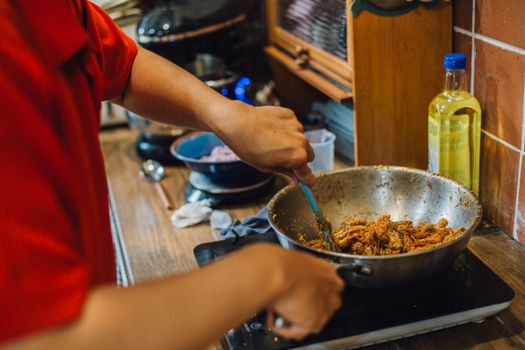
The breakfast rush hits, three tickets arrive at once, and one customer wants eggs over easy while another asks for a burger with several substitutions. If you can stay organized, move quickly, and keep food consistent under pressure, working as a short order cook may be a practical entry point into the culinary field. The job usually does not require a degree, but it does demand focus, stamina, food-safety awareness, and a willingness to learn.
What Does a Short Order Cook Do?
A short order cook prepares simple menu items that customers expect to receive quickly. Common workplaces include diners, coffee shops, cafés, lunch counters, snack bars, delis, grills, and casual restaurants. Unlike a chef preparing elaborate dishes in several stages, a short order cook often completes individual orders from start to finish within minutes.
Typical responsibilities include:
- Grilling burgers, chicken, sandwiches, and other menu items
- Cooking eggs, pancakes, breakfast meats, and potatoes
- Operating fryers, griddles, ovens, and other kitchen equipment
- Reading order tickets and handling several orders at once
- Adjusting meals for allergies, substitutions, and customer preferences
- Checking ingredient quality and maintaining proper food temperatures
- Restocking a cooking station before and during service
- Cleaning and sanitizing equipment, utensils, and work surfaces
- Coordinating with servers, cashiers, dishwashers, and other cooks
Some short order cooks also take orders, serve food, receive deliveries, or help with basic food preparation. Duties depend on the size and structure of the business.
What Is the Work Environment Like?
Short order cooking is fast, physical work. Cooks spend much of each shift standing and repeatedly reaching, bending, chopping, lifting, and turning between workstations. Kitchens may become hot, noisy, crowded, and humid, especially during busy periods. Communication is often brief and direct because every employee is working against the clock.
Schedules vary by employer. A breakfast restaurant may require shifts beginning before sunrise, while a diner or late-night café may need evening or overnight workers. Weekend and holiday shifts are common because those are often busy times for restaurants. Part-time positions may be available, although experienced cooks may work full-time hours.
Common Workplace Hazards
Hot surfaces, boiling liquids, sharp knives, heavy cookware, and wet floors create risks for burns, cuts, strains, slips, and falls. Prolonged standing can also cause fatigue and discomfort in the feet, legs, and lower back. The NIOSH overview of restaurant and food-service hazards identifies concerns such as heat burns, slips, strains, occupational stress, and prolonged standing.
Safe habits make a meaningful difference. Cooks should wear closed-toe, slip-resistant shoes, use dry oven mitts, clean spills promptly, store knives correctly, and follow training for slicers and other powered equipment. Taking permitted breaks, drinking water, and using proper lifting techniques can help reduce physical strain.
What Qualifications Do Employers Look For?
Most short order cook positions do not require a college degree or culinary-school education. Many employers train beginners on the job, particularly when applicants already have experience in food preparation, dishwashing, customer service, or another restaurant role. Some businesses prefer a high school diploma or equivalent, but practical ability and reliability may carry more weight.
Depending on state or local rules, a food-handler card or food-safety certificate may be required. Training generally covers handwashing, cross-contamination, allergen awareness, safe holding temperatures, cleaning procedures, and illness reporting. Requirements vary by location, so applicants should check the rules where they plan to work.
Skills That Matter Most
- Time management: Orders must be started in the right sequence so that every part of a meal is ready together.
- Attention to detail: A cook must follow tickets accurately, including allergy instructions and requested changes.
- Manual dexterity: Safe knife handling and controlled use of cooking tools are essential.
- Basic math: Cooks may measure ingredients, adjust portions, count inventory, or estimate preparation quantities.
- Communication: Clear coordination helps prevent missed orders, delays, and safety problems.
- Composure: Busy periods can be stressful, and frustration cannot interfere with food quality or teamwork.
- Consistency: Customers expect the same portion, appearance, temperature, and flavor each time they order.
- Physical stamina: A cook must remain productive while standing and moving throughout a shift.
Is Short Order Cooking a Good Career Fit?
This role may suit someone who enjoys hands-on work, clear goals, and an active environment. Completing a rush successfully can provide an immediate sense of accomplishment. The occupation can also help a beginner develop transferable skills in cooking, sanitation, inventory control, teamwork, and customer service.
However, the job may be difficult for someone who prefers a quiet workplace, a predictable pace, or a standard Monday-through-Friday schedule. Entry-level pay may be modest, and available hours can fluctuate with customer demand. Before accepting a position, ask about shift length, break policies, staffing levels, training, benefits, overtime, tip sharing, and opportunities for advancement. A broader guide to evaluating what to seek in your next job can help you compare an offer with your priorities.
How to Get Started
Begin by learning basic kitchen skills at home, in a community course, or through an entry-level restaurant job. Practice safe chopping, measuring, grilling, frying, cleaning, and organizing ingredients. A food-safety course can strengthen an application even when certification is not mandatory.
On a résumé, highlight experience that demonstrates reliability, speed, cleanliness, teamwork, and the ability to follow instructions. Grocery, cafeteria, catering, retail, warehouse, and customer-service jobs may provide relevant examples. If you have little work history, mention school activities, volunteer responsibilities, or personal projects that show punctuality and organization.
During an interview, be prepared to discuss schedule availability and how you respond to pressure. Employers may ask whether you can stand for an entire shift, safely lift supplies, learn a menu, and work weekends. Some restaurants also use a paid trial shift or cooking demonstration to evaluate technique and pace.
Possible Career Paths
Experience as a short order cook can lead to positions such as line cook, restaurant cook, breakfast cook, lead cook, kitchen supervisor, sous chef, or food-service manager. Advancement usually comes from mastering additional stations, learning more complex cooking methods, reducing waste, helping with inventory, and training new employees.
Culinary school can be useful for someone pursuing specialized restaurant work or formal chef training, but it is not the only route forward. Consistent performance, strong references, food-safety knowledge, and experience in increasingly responsible roles can also create opportunities. For many workers, becoming a short order cook is not simply a temporary job; it is a practical way to test an interest in professional cooking while building skills that apply throughout the food-service industry.

