
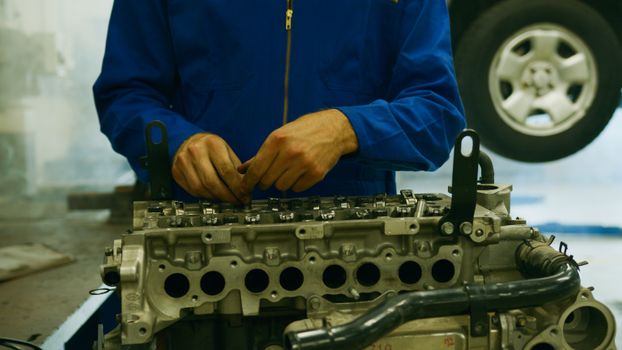
A mower that will not start, a generator that surges under load, or a motorcycle that loses power can make engine repair look like a matter of swapping parts until something works. In reality, skilled technicians follow a structured diagnostic process. Small engine repair classes teach that process while giving students supervised practice with real equipment, tools, measurements, and service information.
Programs vary widely, from short introductory courses to career-focused certificates and diplomas. The best choice depends on whether you want to maintain your own equipment, qualify for an entry-level job, specialize in a particular product category, or eventually operate a repair business.
What Do Small Engine Repair Classes Cover?
Most courses begin with the principles shared by gasoline-powered equipment such as lawn mowers, chainsaws, pressure washers, generators, snow blowers, motorcycles, and outboard motors. Students learn how an engine produces power and how its fuel, ignition, lubrication, cooling, and exhaust systems work together.
A typical curriculum includes:
- Two-stroke and four-stroke engine operation
- Engine components and technical terminology
- Fuel delivery, carburetion, and fuel injection
- Ignition systems, spark plugs, coils, and timing
- Electrical circuits, batteries, charging systems, and starters
- Lubrication and cooling systems
- Compression, valve operation, and cylinder sealing
- Emissions-control components
- Preventive maintenance and seasonal storage
- Diagnostic procedures and repair documentation
More advanced programs may separate instruction into outdoor power equipment, motorcycle, marine, or recreational vehicle courses. Specialization matters because a push mower, modern motorcycle, and marine outboard may share basic combustion principles while using very different electronic controls, drivetrains, and service procedures.
Hands-On Skills You Can Expect to Practice
Reading about an engine is not the same as diagnosing one. Strong small engine repair classes devote substantial time to laboratory or shop work. Students may begin with basic inspection and maintenance before progressing to disassembly, measurement, troubleshooting, and complete overhaul.
Inspection and routine service
Students commonly practice changing oil, servicing air filters, replacing spark plugs, inspecting belts and cables, sharpening or replacing blades, checking fasteners, and preparing equipment for storage. These tasks develop safe work habits and help students recognize wear before it causes a major failure.
Testing rather than guessing
A good technician confirms the cause of a problem before ordering parts. Classes may teach students to perform spark, compression, leak-down, battery, charging-system, and fuel-flow tests. They also learn to use multimeters, compression gauges, tachometers, torque wrenches, micrometers, and other measuring tools.
Students should become comfortable reading wiring diagrams, service manuals, specifications, and troubleshooting charts. Modern equipment may also require electronic diagnostic tools and an understanding of sensors, control modules, and fault codes.
Disassembly and reassembly
Shop exercises often include removing carburetors, cylinder heads, valves, pistons, crankshafts, clutches, starters, and charging components. Students inspect parts, compare measurements with manufacturer specifications, identify reusable components, and reassemble engines using correct clearances and torque values.
This work teaches an important lesson: a repair is not complete simply because the engine starts. The technician must also check for leaks, unusual noise, overheating, unstable speed, excessive vibration, and safe operation under an appropriate load.
Safety and Environmental Practices
Small-engine work involves gasoline, hot surfaces, rotating components, sharp blades, batteries, electricity, solvents, and exhaust gases. Courses should cover personal protective equipment, ventilation, fire prevention, safe lifting, spill response, equipment stabilization, and procedures that prevent accidental starting.
Students may also learn how to handle used oil, fuel, filters, batteries, cleaning chemicals, and damaged parts responsibly. Requirements can differ by location and type of business, so technicians and shop owners should check applicable state and local rules rather than assuming classroom procedures cover every legal obligation.
Online, In-Person, and Hybrid Course Options
Online instruction can work well for engine theory, terminology, diagrams, maintenance schedules, and diagnostic reasoning. However, videos and simulations cannot fully replace supervised practice. Beginners benefit from an instructor who can identify unsafe habits, demonstrate tool use, and explain why a measurement or repair attempt is incorrect.
Hybrid programs can offer a useful balance: academic lessons are completed online, while scheduled shop sessions provide practical experience. Fully online classes are generally better suited to equipment owners seeking maintenance knowledge or working technicians who already have access to tools and engines.
When comparing programs, look beyond the course name. Ask how many hours are spent in the shop, what equipment students repair, whether tools are supplied, and how student performance is assessed.
What Credentials Can You Earn?
There is no single national credential required for every small-engine repair job in the United States. Depending on the school and program, students may receive a course completion certificate, a workforce certificate, a technical diploma, or credits toward a broader degree in power equipment or automotive technology.
Industry credentials can provide additional evidence of technical knowledge. The Equipment and Engine Training Council offers certifications related to small-engine and outdoor power equipment technology. Manufacturers also provide brand-specific training, which may be important for dealership work, warranty repairs, and newer electronic systems.
Certification should not be confused with a government license. Job requirements vary by employer, equipment type, and location. The U.S. Bureau of Labor Statistics overview of small engine mechanics notes that vocational training can be beneficial and that certification, although not always required, can demonstrate competence.
How Long Does Training Take?
An introductory community course may last only a few weeks. Career certificates and diplomas commonly require several months or longer, depending on class hours, specialization, and the amount of shop practice included. Apprenticeship-style learning and employer training may continue for years as technicians encounter more complex repairs.
Short classes can be appropriate for learning maintenance and basic troubleshooting. Someone seeking full-time employment should generally choose a program that includes electrical diagnosis, engine rebuilding, service information, and repeated hands-on assignments rather than a course based mainly on demonstrations.
How to Choose a Quality Program
Before enrolling, ask the school or instructor several practical questions:
- How much of the course is hands-on?
- Will I work on complete engines and operating equipment?
- Does the curriculum cover both mechanical and electrical diagnosis?
- Are modern fuel-injected systems included?
- What tools and protective equipment must I purchase?
- Do instructors have current repair or dealership experience?
- Does the program prepare students for recognized credentials?
- Are job-placement, internship, or employer connections available?
Tuition should be compared with tool costs, lab fees, transportation, and the credential awarded. Be cautious of programs promising expert-level ability after minimal practice. Competence develops through repeated diagnosis and repair, not simply through watching lessons.
What Can You Do After Completing Classes?
Graduates may pursue entry-level work at outdoor power equipment dealers, motorcycle shops, marinas, rental companies, landscaping businesses, farms, hardware retailers, or municipal maintenance departments. Others use their training to maintain personal equipment or begin a small mobile repair service.
Technicians who plan to become self-employed also need customer service, estimating, inventory, recordkeeping, and marketing skills. Building an online presence can help a local shop attract customers, and this guide on how to learn search engine optimisation online offers a starting point for developing that knowledge.
Ultimately, the value of small engine repair classes depends on the quality of the instruction and the opportunity to practice. A strong program should teach you to diagnose systematically, work safely, follow specifications, explain repairs clearly, and know when a task requires additional training or specialized equipment.

