
You open a job site, type “solar jobs near me,” and get a confusing mix of rooftop installer positions, commission-only sales roles, engineering jobs, and listings located hours away. Which openings are truly local, which ones match your experience, and which employers offer a realistic career path?
The smartest approach is to search by job function rather than relying on one broad phrase. Solar companies need workers in construction, electrical work, maintenance, sales, design, logistics, customer service, and project management. Once you understand these roles and how employers advertise them, finding a good local opportunity becomes much easier.
Are Solar Jobs Actually in Demand?
Solar installation is a growing occupation. According to the U.S. Bureau of Labor Statistics profile for solar photovoltaic installers, employment for these workers is projected to grow 37% from 2025 to 2035. The median annual wage was $53,140 in May 2025, although actual pay varies by location, experience, employer, and job duties.
That growth does not mean every opening is automatically a good fit. Local demand may depend on electricity prices, construction activity, utility-scale projects, state policies, and the number of established contractors in the area. Some communities have frequent residential installation work, while others offer more opportunities at large solar farms or commercial properties.
Look Beyond the Solar Installer Job Title
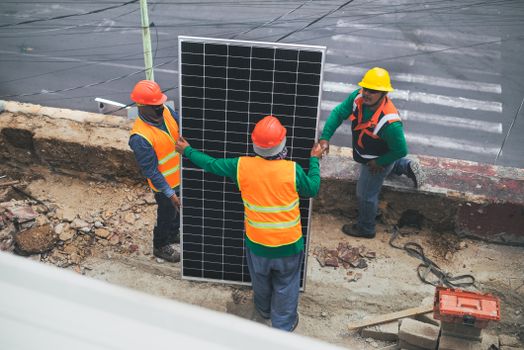
Many people searching for solar jobs near me assume that every position involves carrying panels onto a roof. Installation is important, but it represents only one part of the industry. Common job categories include:
- Solar photovoltaic installer or installation helper
- Licensed electrician or electrical apprentice
- Site surveyor and field technician
- Operations and maintenance technician
- Warehouse, inventory, and delivery worker
- System designer or engineering technician
- Permit and interconnection coordinator
- Project coordinator or construction manager
- Customer support representative
- Residential or commercial solar salesperson
Your existing skills may transfer more easily than you expect. Construction workers may qualify for installation teams, while electricians can move into system connections and troubleshooting. People with drafting or computer-aided design experience may pursue design work. Administrative professionals can apply for permitting, scheduling, purchasing, and customer-service positions.
If you are still deciding whether this field suits your interests, consider reviewing the broader benefits and challenges of choosing a career in energy before committing to training.
A Smarter Way to Search Locally
Begin with “solar jobs near me,” but do not stop there. Employers may use titles that never include the word “solar.” Run separate searches for terms such as PV installer, electrical apprentice, renewable energy technician, field service technician, permitting coordinator, and solar warehouse associate.
Expand the location radius gradually. Installation companies often serve several counties from one office, and job listings may show the company headquarters rather than the daily work area. A position based 30 miles away might involve jobsites near your home, while a nearby employer might expect extensive regional travel.
Search these places consistently:
- Major employment websites and local job boards
- Career pages of solar contractors and electrical companies
- Utility companies and engineering firms
- Community colleges and technical schools
- Registered apprenticeship programs
- Local workforce-development offices
- Construction unions and trade associations
Set alerts for several job titles and review them at least a few times each week. Applying soon after a position appears can help, especially when employers need to assemble installation crews quickly.
What Qualifications Do Entry-Level Employers Want?
Many installer positions typically require a high school diploma or equivalent and provide on-the-job training. Requirements can still differ significantly among employers and states. Some companies prefer applicants with construction experience, safety training, electrical knowledge, or a valid driver’s license.
Installers should be prepared for physically demanding work. The job may involve climbing ladders, working on roofs, lifting equipment, using hand and power tools, entering attics or crawl spaces, and traveling between jobsites. Outdoor conditions can include heat, cold, wind, and changing schedules caused by severe weather.
Technical-school courses, community-college programs, and apprenticeships may improve your preparation, but investigate the local job market before paying for training. Read current postings to see which credentials employers in your area actually request. Do not assume that an expensive certificate guarantees employment.
How to Recognize a Good Opening
A promising job description should explain the duties, location, schedule, qualifications, and compensation structure. It should also identify whether the job is permanent, temporary, seasonal, or based on a specific construction project.
Before accepting an offer, ask practical questions:
- Is pay hourly, salaried, commission-based, or a combination?
- Are travel time and mileage reimbursed?
- How often will work occur outside the advertised area?
- Does the employer provide tools and safety equipment?
- What training is offered to new employees?
- Are overtime, health insurance, retirement benefits, and paid leave available?
- What happens when weather delays installation work?
- Is there a path to crew lead, electrician, designer, or project manager?
Sales applicants should examine the compensation plan especially carefully. Some roles offer a base wage plus commission, while others pay only when a customer signs a contract or completes an installation. Ask when commissions are earned, whether canceled projects affect pay, and who provides potential customer leads.
Make Your Application More Relevant
Adjust your resume for each type of solar position. For field roles, emphasize construction, roofing, electrical, mechanical, warehouse, equipment, and safety experience. Mention your comfort with outdoor work, travel, ladders, measurements, and team-based projects when these points are accurate.
For office or technical roles, highlight scheduling, customer communication, permit processing, data entry, drafting, design software, or project coordination. Sales candidates can focus on consultative selling, lead management, presentations, and clearly explaining complicated products.
Use specific examples instead of vague claims. “Maintained inventory for a five-person construction crew” tells an employer more than “good organizational skills.” Never claim a license, certification, or technical ability you do not have.
Watch for Job-Search Red Flags
Be cautious if a supposed employer asks you to pay for a job, purchase equipment before an interview, cash a check, or provide sensitive financial information immediately. Other warning signs include unclear job duties, unrealistic income promises, pressure to accept quickly, and interview messages sent from unrelated personal accounts.
Research the company name, confirm that it has a verifiable business presence, and make sure the person contacting you represents that organization. A legitimate employer should be able to explain the work, pay arrangement, hiring process, and reporting location clearly.
Turn a Local Opening Into a Career
The best response to “Where can I find solar jobs near me?” is to identify the part of the industry that matches your abilities, then search for several related job titles. Compare the complete offer rather than judging an opening by its advertised wage alone. Training quality, travel expectations, safety practices, benefits, and advancement opportunities all affect whether a position will work in everyday life.
You do not need to enter the industry through your ideal long-term role. An installation helper may become a crew leader, while a coordinator may progress into project management. A careful local search can help you find not just the nearest opening, but one that gives you useful skills and room to grow.

