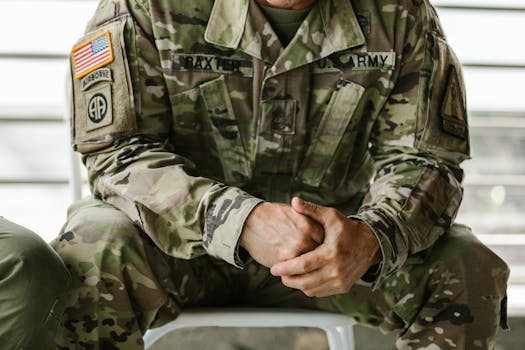
The moment a soldier raises their right hand and recites the army enlistment oath marks the beginning of a profound commitment. This oath is more than a collection of words; it signifies dedication, integrity, and the willingness to serve one’s country. For many, taking the army enlistment oath is a pivotal step that shapes their entire future.
The Importance of the Army Enlistment Oath
The army enlistment oath is a solemn promise to support and defend the Constitution of the United States. It is an integral part of military life, embodying the core values that soldiers are expected to uphold. These values include loyalty, duty, respect, selfless service, honor, integrity, and personal courage—each guiding the soldier both on and off the battlefield.
Understanding the Commitment
Upon enlisting, individuals commit to a term of service that can range from two to six years, depending on their contract. This commitment involves rigorous training, potential deployment, and a lifestyle vastly different from civilian life. The oath signifies a readiness to fulfill these duties without reservation.
Living up to this commitment requires immense dedication and resilience. Soldiers often find themselves in challenging environments, both mentally and physically. The training and experiences gained in the military equip soldiers with a unique set of skills and perspectives, proving invaluable in both military and civilian life.
Pathways After the Oath
The army provides a variety of career paths for its enlistees. Whether in intelligence, engineering, healthcare, or logistics, the opportunities within the military are vast. Many soldiers find lifelong careers within the military, while others leverage their experiences to transition into civilian careers. For example, the pathways available for women starting fresh in their careers demonstrate the versatility that comes from military experience.
Moreover, the leadership skills, discipline, and work ethic developed through military service are highly valued in the civilian job market. Veterans often find success in business, education, technology, and public service, among other fields.
Benefits of Military Service
Enlisting in the army offers numerous benefits beyond immediate career pathways. Educational benefits are one of the most significant advantages. Programs like the GI Bill provide soldiers and veterans with access to higher education, covering tuition, books, and living expenses. This support is a substantial incentive for post-secondary education, enabling many soldiers to pursue degrees and certifications after their military service.
Furthermore, military service provides healthcare benefits, housing allowances, and retirement plans, which can significantly ease the transition to civilian life. The stability and support the army offers are indispensable to soldiers and their families.
Lifelong Impact of the Army Enlistment Oath
The impact of taking the army enlistment oath extends far beyond active service. The values instilled in soldiers—honor, courage, and commitment—continue to influence their lives and communities long after they leave the army. Soldiers are often seen as leaders and mentors, contributing positively to society.
Transitioning from military to civilian life brings its own set of challenges and opportunities. The discipline and skills gained during military service can be seamlessly transferred to new endeavors, whether in the workforce, in education, or in entrepreneurial pursuits. Many former soldiers find success in creating startups, assuming leadership roles, and continuing to serve their communities in various capacities.
For those considering enlistment, it’s essential to understand the gravity of this decision and the enduring impact the oath will have on their life trajectory. Engaging fully with military service can open doors to a future filled with opportunities and the chance to contribute meaningfully to society.
Education is just one of many areas where military experience can make a difference, offering both personal growth and community enhancement.
Ultimately, the army enlistment oath is a profound testament to one’s dedication to serving with honor and distinction. For many, it not only shapes their immediate experiences but also sets the foundation for a future rich in possibilities and achievements.
- The army enlistment oath signifies a deep commitment to serving and defending the nation.
- Military service instills values and skills that are valuable in both military and civilian careers.
- Enlistees have access to educational benefits, including the GI Bill, supporting future educational goals.
- The leadership and discipline gained through military service are highly regarded in the civilian workforce.
- Many veterans successfully transition to civilian careers, leveraging military-acquired skills and experiences.
What is the army enlistment oath?
The army enlistment oath is a solemn pledge taken by new recruits that commits them to support and defend the Constitution of the United States, serving faithfully and obeying the orders of superior officers.
How long is the typical service commitment after taking the oath?
Service commitments generally range from two to six years, depending on the contractual agreement made upon enlistment.
What benefits do soldiers receive from military service?
Soldiers receive numerous benefits, including educational support through the GI Bill, healthcare, housing allowances, and retirement plans, all of which aid in their transition to civilian life.
How does military service impact future career opportunities?
Military service provides valuable skills such as leadership, discipline, and work ethic, which are highly valued in the civilian job market, enabling veterans to find success in a variety of fields post-service.
What role does education play in a soldier’s life after enlistment?
Education plays a significant role by allowing soldiers to pursue further studies supported by military benefits, enhancing their knowledge and career opportunities long after their military service concludes.