Have you ever wondered what it takes to weave through the intricate world of tissues and cells, making discoveries that can lead to enormous breakthroughs in the medical field? A histology technician plays a pivotal role in the healthcare sector through preparing tissue samples for analysis, ensuring that pathologists and researchers can accurately diagnose various conditions. Understanding the path to becoming a histology technician can set you on a rewarding career trajectory.
What Is a Histology Technician?
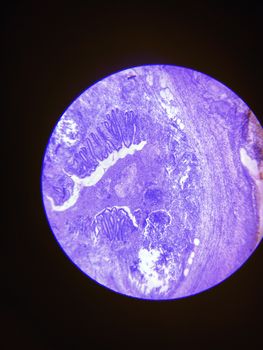
A histology technician is a skilled professional who specializes in the preparation of tissue samples for observation under a microscope. These technicians work in laboratories and are crucial to the accurate analysis of biopsy and surgical specimen results.
The Role and Responsibilities
The responsibilities of a histology technician include preparing and staining tissue samples, operating laboratory equipment, and maintaining meticulous documentation of sample data. Accuracy and attention to detail are imperative, as the results aid pathologists in diagnosing diseases.
Skills Required to Excel
Successful histology technicians possess excellent hand-eye coordination, proficiency in laboratory technology, and a keen sense of detail. Emotional resilience and analytical skills are also necessary to handle challenging situations in medical laboratory settings.
How to Become a Histology Technician
Embarking on the journey to become a histology technician involves a blend of education, training, and certification. Here is a comprehensive guide on the steps you need to follow.
Educational Pathway
- High School Diploma: Begin with a solid foundation in science courses, such as biology and chemistry. These courses provide the groundwork for advanced studies.
- Associate Degree: Pursue an associate degree in histotechnology or a related field. Some programs offer courses tailored specifically for histology technicians.
- Online Courses: For those requiring flexible study options, several accredited biology classes can be taken online, covering the basics of histology and laboratory procedures. Explore accredited online biology courses here.
Certification and Licensing
While not all states require certification, earning a certification from a recognized body like the American Society for Clinical Pathology (ASCP) enhances job prospects. Certification typically involves passing an exam that tests your knowledge and skills in histotechnology.
Gaining Experience in the Field
Practical experience is invaluable, often gained through internships or entry-level positions in a clinical laboratory. Exposure to real-world scenarios prepares you for the dynamic challenges that a histology technician might face.
Internship Opportunities
Consider internship opportunities that offer hands-on experience. Participating in internship programs at local hospitals or research facilities provides practical insights and enhances your resume.
On-the-Job Training
New technicians often undergo on-the-job training, which offers a deeper understanding of lab equipment, sample processing, and laboratory safety protocols.
Advancing Your Career
Once established in the role of a histology technician, there are numerous ways to advance your career. Graduates who continue their education or specialize in particular anatomical areas can often progress into supervisory roles or focus on research.
Continuing Education
Continuing education is crucial for career advancement. Many professionals choose to specialize or pursue further studies in areas like molecular biology or biomedical science, which open up a wider range of opportunities.
Career Specializations
Specializations within histology can lead to roles in academia or research. A focus on specific techniques, such as electron microscopy, can propel you toward cutting-edge fields in scientific research.
Want to Learn More?
For an exhaustive insight into the responsibilities and daily duties of histology technicians, visit the Wikipedia page on histology.
Histology Technician: The Path Ahead
As a histology technician, your work impacts the diagnostic processes that save lives and contribute to advancements in science. Whether preparing tissue samples or analyzing results, histology technicians are crucial members of the healthcare team. Pursuing this career requires dedication, but the rewards of aiding in critical medical discoveries are substantial.
- A histology technician prepares tissue samples for microscopic examination.
- A blend of education and practical experience is crucial for success.
- Certification from ASCP can enhance career prospects.
- Continuing education opens doors to advanced career roles.
- Internship positions provide valuable hands-on experience.
FAQs
What qualifications are needed to become a histology technician?
A high school diploma followed by an associate degree in histotechnology or a related field, along with certification from a recognized body, is generally required.
Is certification mandatory for histology technicians?
Certification is not mandatory but is recommended, as it can greatly enhance job opportunities and career advancements.
What is the typical work environment for a histology technician?
Histology technicians typically work in laboratory settings within hospitals, research institutions, or pathology labs, handling biological specimens.
What skills are critical for a histology technician?
Key skills include attention to detail, proficiency with lab technology, the ability to conduct precise sample preparations, and strong organizational skills.
How can a histology technician advance their career?
Advancement can be achieved through additional certifications, continued education, and gaining experience in specialized fields or supervisory roles.