
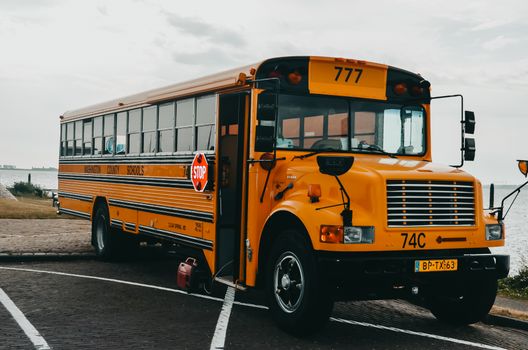
School bus drivers play a crucial role in the education ecosystem, ensuring that millions of students reach their destinations safely every day. The significance of a school bus driver goes beyond merely transporting students from home to school and back. They are a trusted provider of safety, a role model, and sometimes even a source of mentorship. Rooted in their essential service is an immense responsibility, which encompasses not only ensuring safe transit but also promoting student well-being.
The Role of a School Bus Driver
Understanding the role of a school bus driver involves recognizing their influence on student safety and behavior. School bus drivers are often the first school personnel children see in the morning and the last they see in the afternoon. This makes them integral in setting the tone for the students’ entire day. A warm greeting from a school bus driver can make a significant difference in a student’s attitude and readiness to learn.
The responsibilities of a school bus driver include operating the bus safely, adhering to pick-up and drop-off schedules, and ensuring that all students adhere to safety protocols. In addition, they must navigate weather conditions, traffic, and other potential hazards on the road. A school bus driver’s vigilent commitment to these duties is critical in enabling students to arrive at school ready to engage and learn.
Ensuring Student Well-Being
Beyond transportation and safety, school bus drivers contribute immensely to the overall well-being of students. Their attentive nature allows them to notice behavioral changes or signs of distress in students who may require additional support. Furthermore, school bus drivers can often act as mediators, managing student interactions and promoting a peaceful environment on the bus.
By fostering a sense of security and community, school bus drivers can positively influence students’ social skills and emotional resilience. Moreover, their training often includes guidance on handling emergencies, ensuring that they are well-prepared to serve in unforeseen situations, further enhancing student safety.
The Training and Skills Required
Being a school bus driver requires a unique set of skills and comprehensive training. Drivers typically undergo rigorous practical and theoretical instruction, including defensive driving techniques, first aid, and child behavior management. Licensing requirements often include specialised endorsements and passing various proficiency tests.
The ability to communicate effectively with both children and adults is paramount. School bus drivers need to enforce rules firmly but kindly while maintaining a friendly and approachable demeanor. Continuous professional development is also encouraged, ensuring that drivers keep up-to-date with the latest safety protocols and technological advancements in vehicle operation.
Learn techniques for enhancing a career in education to further understand how different educational roles contribute to student success.
Building a Career as a School Bus Driver
For those considering a profession in school transportation, becoming a school bus driver is both a rewarding and impactful career choice. The occupation offers steady employment opportunities, benefits such as health insurance and retirement plans, and the possibility for overtime work. Additionally, the work hours are often suited for individuals seeking part-time engagement, such as parents with school-aged children who may want to align work and family schedules.
There are opportunities for advancement as well, with experienced drivers moving into supervisory or training roles. Communities often appreciate these driving professionals who perform their duties with diligence and care.
Embracing Technology in School Transportation
Technological advancements are rapidly reshaping school transportation. School bus drivers are now leveraging technology to improve safety and efficiency. GPS tracking systems, for instance, enable pupils’ real-time monitoring, ensuring accountability and peace of mind for parents and school administrators alike. Additionally, some school districts are adopting apps that provide notifications about bus schedule changes or delays.
In driver training, virtual reality (VR) systems are being used to simulate driving scenarios, allowing new and veteran drivers to experience varied driving conditions in a controlled, risk-free environment. This innovative approach builds confidence and proficiencies in a safe manner.
The Future of School Transportation
Looking ahead, the role of the school bus driver will continue to evolve. Electric buses are starting to become more prevalent, reflecting broader trends towards sustainable, eco-friendly mass transit solutions. Furthermore, integration with smart city infrastructure could offer even more responsive and adaptive transport services.
The responsibility school bus drivers bear in shaping the everyday experiences of students will remain significant. Their contribution to community well-being highlights the need for continued investment in training and technology to support these essential workers.
Overall, school bus drivers are invaluable to the education system, providing both a necessary service and fostering a caring, secure environment that supports students’ growth in multiple dimensions.
- School bus drivers are essential for daily student safety and well-being.
- They require comprehensive training and unique interpersonal skills.
- Technology is enhancing safety and efficiency in school transportation.
- Career advancement opportunities exist within school transport roles.
- Future trends include the adoption of electric buses and smarter infrastructure integration.
What qualifications are needed to become a school bus driver?
Potential drivers must typically hold a commercial driver’s license with relevant endorsements. Training also includes safety and child behavior management components.
How do school bus drivers ensure student safety?
They follow strict safety protocols, manage student behavior, and stay updated on training in both driving and emergency scenarios.
What should parents expect from a school bus driver?
Parents can expect professionalism, punctuality, and a focus on creating a safe and welcoming environment for students.
How is technology influencing school transportation?
Technology such as GPS tracking and real-time apps are becoming common, enhancing safety, efficiency, and communication with parents and school staff.
What are the future challenges for school bus drivers?
The future will see advancements like electric vehicles, requiring adaptation and continuous learning to handle new technologies and regulations.

