
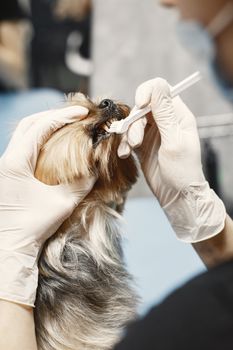
Choosing the right veterinary school is crucial for aspiring veterinarians, given the competitive nature of the field and the need for specialized education that can lead to diverse career opportunities in animal health. The best vet schools in the US offer robust programs that provide essential knowledge and hands-on experience. By understanding the top programs, students can make informed decisions that align with their career aspirations and educational needs.
Top 5 Best Vet Schools in the US
Several veterinary schools in the United States stand out due to their comprehensive curriculums, cutting-edge research, and emphasis on clinical practice. Here are the top five programs to consider:
- Cornell University College of Veterinary Medicine: Renowned for its research contributions and strong clinical training, Cornell University offers students access to a wide array of specialized fields, including animal biosciences and public health.
- University of California, Davis School of Veterinary Medicine: UC Davis consistently ranks as one of the top vet schools, renowned for its extensive research facilities and programs in equine, small animal, and exotic animal medicine.
- Colorado State University College of Veterinary Medicine: Known for its emphasis on real-world experience, Colorado State University provides an array of clinical rotations and externship opportunities in various veterinary fields.
- North Carolina State University College of Veterinary Medicine: With a focus on innovative technology and integrative medicine, NC State offers programs that combine research, teaching, and clinical practice effectively.
- University of Pennsylvania School of Veterinary Medicine: Penn Vet is distinguished by its dual emphasis on both small and large animal veterinary practice, supported by its two hospitals that are leaders in veterinary care and research.
Factors to Consider When Choosing a Vet School
When selecting among the best vet schools in the US, it’s important to weigh several factors beyond rankings. Consider these key elements:
- Accreditation: Ensure the school is accredited by the American Veterinary Medical Association (AVMA), which guarantees the program meets high educational standards.
- Specializations Offered: Look for programs that offer specialties that match your career interests, such as surgery, zoological medicine, or research.
- Location and Facilities: The geographical location can impact your clinical rotations and internships; opt for schools with advanced facilities and proximity to diverse animal populations.
- Financial Aid and Scholarships: Investigate the availability of scholarships or financial aid to make the educational investment more manageable.
- Career Support Services: Adequate career counseling and strong alumni networks can be instrumental in securing post-graduation employment.
Career Opportunities Post-Graduation
A degree from one of the best vet schools in the US opens a multitude of career paths. Graduates can work in private practices, research institutions, public health organizations, or wildlife conservation efforts. Teaching and academic roles are also viable options for those inclined towards education.
Some veterinarians choose to specialize further in areas such as veterinary surgery, dermatology, or internal medicine. This often requires additional residency training but can lead to advanced practice roles with higher salary potentials.
How to Prepare for a Career in Veterinary Medicine
Aspiring veterinarians should be proactive in preparing for their future careers. Here are some steps to consider:
- Gain Experience: Seek internships, volunteer positions, or part-time jobs in veterinary settings to gain practical experience.
- Build a Strong Academic Record: Focus on excelling in science courses during undergraduate studies to enhance your veterinary school applications.
- Develop Soft Skills: Communication, problem-solving, and empathy are crucial skills, especially in animal care and client interactions.
Additionally, networking with professionals in the field can provide insights and opportunities for mentorship. For those interested in exploring educational options beyond veterinary medicine, consider learning about other top educational programs that can broaden your career horizon.
Conclusion
In conclusion, the best vet schools in the US provide extensive training, access to specialized programs, and diverse career opportunities in the field of veterinary medicine. They prepare students for various roles in animal health and research, making it essential to choose a school that aligns with your professional goals and personal interests. To further explore educational paths or veterinary career options, visit trusted sources like this educational page on Wikipedia.
- Top US vet schools offer diverse opportunities in veterinary medicine.
- Factors like accreditation and specialization are crucial when choosing a program.
- Career opportunities are vast, from private practice to research roles.
- Gaining experience and strong academic performance are key in preparation.
- Networking and mentorship can significantly influence career trajectory.
FAQs
What are the prerequisites for applying to veterinary schools in the US?
Prerequisites typically include courses in biology, chemistry, and other sciences, along with a bachelor’s degree, although requirements may vary by school.
How important is accreditation for veterinary schools?
Accreditation by the AVMA is crucial as it ensures the program meets educational standards necessary for a successful career in veterinary medicine.
Can I specialize in a specific area of veterinary medicine after graduation?
Yes, many graduates pursue additional residency training to specialize in areas such as surgery, dermatology, or exotic animal medicine.
What is the role of internships in veterinary education?
Internships provide hands-on experience and exposure to real-world veterinary practice, enhancing both skills and employability.
Is financial aid available for veterinary students?
Many vet schools offer financial aid and scholarships to help offset the cost of education. It’s advisable to research and apply early.

