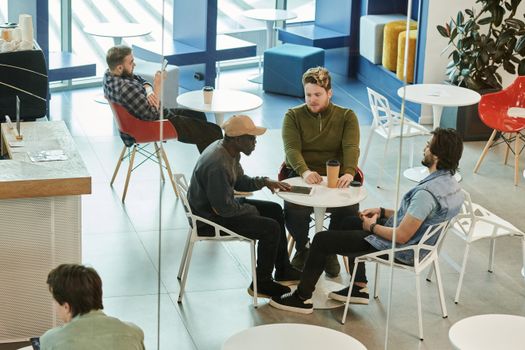
The transformation of a cafeteria workplace is key not only to improving employee satisfaction but also to enhancing productivity. A modern, well-equipped cafeteria can be a powerful asset for businesses seeking to create an attractive work environment. In this article, we will explore how enhancing the cafeteria workplace can lead to significant benefits for both employees and employers.
Benefits of a Modern Cafeteria Workplace
The cafeteria is more than a place to eat; it is a social hub and a space for relaxation and refreshment. A thoughtfully-designed cafeteria workplace can promote interaction, collaboration, and overall wellbeing. Here are several benefits that a modern cafeteria can bring to the workplace:
- Improved Employee Satisfaction: A clean, comfortable, and inviting cafeteria can be a sanctuary from the desk, offering a much-needed break during the workday.
- Increased Productivity: Breaks are essential for maintaining energy and focus. A well-utilized cafeteria encourages employees to take these breaks, returning refreshed and ready to work.
- Enhanced Creativity and Innovation: Informal conversations in the cafeteria often spark creative ideas and problem-solving, fostering an innovative workplace culture.
- Better Nutrition and Health: Offering healthy food options can help improve employee health and reduce sick leave, translating to fewer disruptions in productivity.
Design Elements for a Cafeteria Workplace
The design of the cafeteria should reflect the company culture while maximizing comfort and functionality. Here are some critical elements to consider:
- Layout and Space: Ensure ample seating capacity and a layout that encourages movement and social interaction.
- Furniture and Decor: Use comfortable and aesthetically pleasing furniture. Add vibrant colors or themes that align with the company’s brand.
- Technology Integration: Equip the cafeteria with Wi-Fi and charging points to support employees who wish to work or browse the internet during breaks.
- Environmental Sustainability: Implement recycling programs and use sustainable materials for both construction and kitchenware.
Implementing Technological Advancements in Cafeteria Workplaces
Technology can significantly enhance the efficiency and appeal of dining areas in the workplace. Implementing digital solutions can streamline operations and improve the dining experience:
- Self-Service Kiosks: Reduce wait times and improve order accuracy with touch screen terminals for ordering and payment.
- Mobile Apps: Enable pre-orders and payments via smartphones, further reducing queue times.
- Digital Menus: Use digital displays to provide clear, updated menu information, including nutritional data and special dietary options.
Impact on Employee Wellbeing and Company Culture
Beyond tangible amenities, the atmosphere and culture propagated within the cafeteria can significantly affect employee wellbeing. An open and welcoming environment contributes to mental health and job satisfaction:
- Cultural Inclusivity: Offer diverse food options to cater to a multicultural workforce.
- Community Building: Host events and thematic days to strengthen connections among colleagues.
- Feedback Mechanisms: Encourage staff to provide feedback on cafeteria services to continuously improve the dining experience.
Companies can further support employees by offering resources like educational scholarships and a commitment to ongoing learning.
Cafeteria Workplace: Challenges and Solutions
Transforming the cafeteria workplace comes with challenges, but proactive strategies can mitigate these:
- Budget Constraints: Prioritize investments in high-impact areas and seek grants or partnerships to offset costs.
- Space Limitations: Utilize space-efficient furniture and multifunctional areas to optimize available space.
- Consistency and Variety: Balance popular staples with new menu offerings to maintain interest and satisfaction.
For more information on workplace improvements, visit this educational resource that discusses diverse development strategies.
Conclusion
Enhancing the cafeteria workplace is crucial for fostering a supportive, productive, and enjoyable environment for employees. By investing in modern facilities, technology, and cultural inclusivity, companies can significantly improve job satisfaction and efficiency. Incorporating diverse food options, advanced technology, and sustainability will not only cater to physical comfort but also advocate for employees’ mental and emotional wellbeing. Ultimately, a well-designed cafeteria is an investment in the organization’s greatest asset: its people.
Takeaways
- Modern cafeterias improve satisfaction and productivity.
- Design should focus on comfort, social interaction, and technology.
- Offering diverse and healthy food promotes wellbeing.
- Challenges include budget and space, addressable with strategic planning.
- Continuous feedback and improvement are key to success.
FAQs
Why is the cafeteria workplace important?
The cafeteria is essential for employee relaxation, social interaction, and is a catalyst for creativity and collaboration, all of which contribute to greater job satisfaction and productivity.
What features should a modern cafeteria have?
A modern cafeteria should include comfortable seating, efficient layout, sustainable design elements, and integrated technology like Wi-Fi and digital menus.
How can technology enhance cafeteria workplaces?
Technology can streamline operations with self-service kiosks, mobile pre-order apps, and digital menu displays to improve efficiency and customer satisfaction.
How do cafeterias contribute to company culture?
Cafeterias contribute by being a social hub, promoting inclusivity with diverse food options, and hosting community-building events that enhance employee engagement.
What challenges face the improvement of cafeteria workplaces?
Challenges include budget constraints, space limitations, and maintaining a balance between menu consistency and variety, all of which require careful planning and strategic solutions.