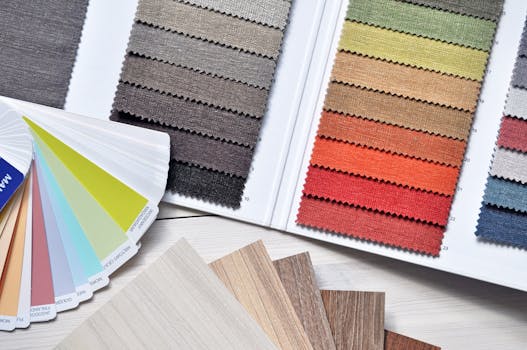
The psychology of colors orange can significantly influence our emotions and behavior. Orange, a blend of red and yellow, exudes warmth, excitement, and enthusiasm. Often associated with creativity and energy, it can impact anything from marketing strategies to personal development. In understanding the psychology of colors, it’s important to recognize how orange affects our mindset and actions.
The Impact of the Psychology of Colors Orange
Orange often stands out due to its vibrant nature. It captures attention and can evoke feelings of warmth and comfort. Psychologically, this color is closely tied to joy and sunshine. This makes it a popular choice in creative industries that aim to inspire and invigorate their audiences.
Moreover, orange is known to increase oxygen supply to the brain, producing an invigorating effect that stimulates mental activity. It’s a color that suggests movement and encourages socialization — a reason why it’s frequently used in designs to draw individuals in, making them feel welcome and engaged.
Businesses and marketers utilize orange to create a call to action effectively. This energetic hue is useful for highlighting important details and inspiring immediate action, often seen in purchase buttons and promotional materials.
Emotional and Psychological Effects of Orange
Understanding the emotional impact of colors can enhance both personal and professional environments. The psychology of orange plays a significant role in interior design, branding, and mood setting. In office spaces, it may foster a sense of collaboration and creativity, whereas in homes, it can offer comfort and warmth.
Orange is not just about energy and enthusiasm. It also symbolizes balance and encouragement. This color can help individuals find middle ground and improve harmony in personal and professional interactions.
Orange in Cultural Contexts
Across the globe, orange holds various cultural significances. In Western cultures, it’s associated with the harvest, fall, and Halloween. Meanwhile, in Eastern cultures, it represents love and happiness. This diverse representation makes it a versatile color, adaptable to various cultural contexts and events.
In religious contexts, orange may signify transformation. It’s often used during spiritual rituals to symbolize a journey from old to new, embodying renewal and rebirth.
Orange and Creativity
The connection between orange and creativity is well established. Many artists and designers see this hue as a muse, a source of inspiration that stimulates imagination. For those interested in exploring their creative potential, incorporating orange into their work environments can be beneficial.
If you’re looking to delve deeper into the creative use of colors, consider exploring how hypnosis and intuition art creations can enhance your artistic journey. Learn more in our article about harnessing your creative potential through color and creativity.
Using Orange in Marketing and Branding
When incorporating orange in branding, it’s crucial to consider timing, audience, and context. Brands that use orange can create an approachable and friendly image, perfect for companies focusing on youth, vigor, and enthusiasm.
Consider the psychological effects of orange in your marketing strategies. Use it in moderation to avoid overwhelming potential clients, and pair it with complementary colors to maintain visual harmony.
Explore the Psychology of Colors Further
Understanding color psychology extends beyond just orange. Integrating knowledge about various colors into your personal and professional life can enhance environmental aesthetics and social interactions. Colors play a subtle yet profound role in affecting emotions and behaviors.
For more in-depth knowledge about colors and their impact, consider visiting resources like the Wikipedia article on color psychology. These resources offer further insights into how colors shape our experiences and perceptions.
In conclusion, the psychology of colors like orange can significantly alter how we perceive the world, how we influence our surroundings, and ultimately, how we shape our experiences. Integrating appropriate color schemes in various aspects of life can enhance wellness, creativity, and interpersonal relationships.
- Orange evokes emotions of warmth, excitement, and creativity.
- It’s widely used in marketing to prompt action and engagement.
- This color can foster collaboration and creativity in workspace environments.
- Cultural meanings of orange vary across the globe, from harvest celebrations to symbols of renewal.
- Balance the use of orange with complementary hues for maximum impact.
What emotions does the color orange evoke?
Orange typically evokes feelings of warmth, excitement, and enthusiasm. It is associated with vibrancy and can also convey warmth and comfort in various settings.
How does orange influence creativity?
Orange is often seen as stimulating and uplifting, which can enhance creative thinking. Its energizing nature can inspire boldness and innovation, making it a popular choice for art and design spaces.
What are the cultural significances of orange?
In Western cultures, orange is often linked to fall and Halloween, while in Eastern cultures, it may represent love and happiness. These diverse meanings reflect the color’s adaptability to different cultural contexts.
How can I use orange in my business branding?
Orange can be used in branding to convey approachability and energy. However, it should be used thoughtfully and balanced with other colors to maintain aesthetic appeal and avoid overwhelming clients.
Where can I learn more about color psychology?
For further reading on color psychology, reputable resources like the Wikipedia article on color psychology provide comprehensive insights into how colors influence emotions and behaviors.