
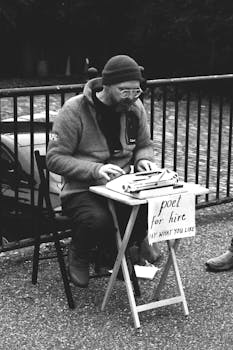
Have you ever wondered what a poet does and how they capture the essence of human experience through words? What a poet does is weave emotions, thoughts, and ideas into a tapestry of language that resonates with readers. In this journey of creativity and expression, poets play a crucial role in connecting us to the world and ourselves.
Exploring What a Poet Is
Poets are artists of language. They take ordinary words and craft them into extraordinary expressions of emotion and experience. The journey of what a poet entails involves much more than simply writing rhymes or verses. It is about delving into the depths of human emotion and existence, translating feelings into words that resonate with others.
Writing poetry demands imagination, introspection, and a keen understanding of language and rhythm. Poets often draw inspiration from various sources, including nature, personal experiences, and social issues, to create works that inspire, provoke thought, or offer solace.
The Role of Education in a Poet’s Journey
Education greatly influences a poet’s journey. It provides the foundational knowledge of literature, history, and various writing techniques that poets can draw upon. Many poets refine their skills through formal education, attending workshops, and participating in writing groups. This environment offers exposure to diverse poetic styles and traditions, enriching a poet’s perspective and ability to express complex ideas.
For aspiring poets, scholarship opportunities for art students can be a valuable resource. These programs provide financial support, allowing students to pursue their passion for poetry without the burden of tuition fees. Access to education enables poets to broaden their horizons and develop a critical eye for their work.
What a Poet Needs: Tools and Techniques
A poet’s journey is not without its tools and techniques. Understanding different forms of poetry—such as sonnets, haikus, and free verse—allows poets to choose the right format for their creative expression. Mastery of literary devices like metaphor, simile, and symbolism enhances the depth and impact of their work.
Many poets maintain a journal or notebook to jot down thoughts, observations, and lines of poetry as they come to mind. This practice allows poets to capture fleeting moments and ideas that may later blossom into full-fledged poems.
The Importance of Personal Development for Poets
Personal development plays an integral role in a poet’s journey. Through self-reflection and life experiences, poets gain the insights and perspectives necessary for authentic expression. Many poets engage in practices such as meditation or nature walks to stimulate creativity and foster a deeper connection with themselves and the world around them.
Developing a personal voice is essential. Poets learn to trust their instincts and unique perspectives, allowing their individuality to shine through in their work. This authenticity resonates with readers and distinguishes one poet from another.
Challenges and Rewards in the Poet’s Journey
The path of a poet can be fraught with challenges. These may include writer’s block, criticism, and the uncertainty of pursuing a career in the arts. However, the rewards of a poet’s journey are immense. Successfully conveying emotions and inspiring others through words can be deeply satisfying.
Recognition of one’s work, whether through publication or reader admiration, can provide validation and encouragement. Moreover, the process of creation itself often brings joy and fulfillment.
Cultivating a Lifelong Connection to Poetry
For many, poetry becomes a lifelong pursuit. Staying engaged with the poetic community, attending readings, and regularly writing help maintain a passion for this art form. As poets develop their skills and delve deeper into their craft, their works may evolve, reflecting personal growth and the world around them.
Community engagement, whether through participation in poetry readings or online platforms, fosters connections with other poets and audiences. Sharing work and receiving feedback are vital components of growth and improvement.
Finally, understanding education as a continuous journey can inspire new insights and fuel a poet’s creativity. What a poet experiences throughout their career is a constant evolution, enriched by learning and community engagement.
Conclusion
In conclusion, the journey of what a poet involves a blend of creativity, education, and personal development. This path is challenging yet rewarding, offering opportunities for deep personal insight and connection with others. Whether through formal study or self-reflection, each poet’s journey is unique and imbued with the power of words to transform and inspire.
- Poets are artists using language as their medium.
- Education and scholarships can support budding poets.
- Personal growth is crucial for authentic poetic expression.
- The journey involves challenges but offers immense rewards.
- Community engagement fosters poetic growth and insight.
What is the primary role of a poet?
The primary role of a poet is to capture and convey emotions, thoughts, and experiences through language in a way that resonates with others.
How does education benefit a poet?
Education provides poets with knowledge of literature, writing techniques, and the opportunity to learn from various poetic traditions, enhancing their ability to express complex ideas.
What challenges might poets face?
Poets often face challenges such as writer’s block, criticism, and the uncertainty of pursuing a career in the arts. These challenges, however, are balanced by the rewards of creating impactful works.
Why is personal development important for poets?
Personal development helps poets gain insights and perspectives necessary for authentic expression, allowing their unique voice to come through in their work.
How can poets stay connected to the poetic community?
Poets can stay connected by participating in poetry readings, engaging in online platforms, and sharing work with peers, which fosters growth and community ties.

