
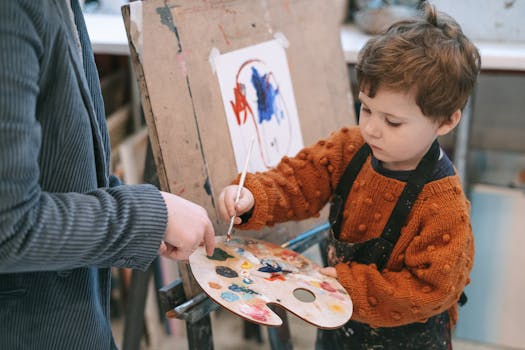
If you’ve ever felt a calling to inspire young minds through the visual arts, understanding how to become an art teacher is the first step towards fulfilling that passion. Art teachers play a pivotal role in fostering creativity, critical thinking, and self-expression among students. This article will guide you through the essential steps, from education to career opportunities, to help you embark on this rewarding journey.
How to Become an Art Teacher: A Step-by-Step Guide
Pursuing a career as an art teacher involves a combination of education, skill development, and practical experience. Here’s a detailed guide to get you started on your path.
1. Obtain the Necessary Education
To become an art teacher, you typically need at least a bachelor’s degree in art education or a related field. Your studies should cover both studio art courses and educational theory. Many universities offer specialized programs that prepare students for teaching art in various educational settings.
2. Develop Your Artistic Skills
The foundation of being a great art teacher lies in your own artistic abilities. Engage in various art forms such as painting, sculpture, digital media, and more. Building a diverse portfolio not only enriches your expertise but also provides a source of direct inspiration for your future students.
3. Gain Teaching Experience
Practical experience in teaching is invaluable. Most degree programs include student teaching internships that provide a hands-on environment to develop your teaching skills. If you’re wondering, “How do I become an art teacher with experience?” consider volunteering at local schools, community centers, or art camps.
4. Obtain Certification
Depending on the region you wish to teach in, earning a teaching certificate is often required. Certification processes vary widely but usually involve passing a general teaching certification test as well as a subject-specific art proficiency exam. Research the specific requirements in your area to ensure compliance.
5. Explore Job Opportunities
Once certified, explore various job opportunities in schools, universities, or as a private art instructor. Public and private schools offer different environments, and examining these options can help you determine the best fit for your teaching style and career goals.
6. Continue Professional Development
Education doesn’t stop once you start teaching. Engaging in professional development workshops and art classes keeps your skills sharp and updated with the latest educational trends. This ongoing learning ensures you inspire students with fresh and innovative ideas.
Consider also seeking scholarships and grants for further studies or projects. For more guidance on funding, check out our page on student scholarships and grants.
Salary and Job Outlook
Art teachers can expect varying salaries based on their educational setting, location, and experience. According to the U.S. Bureau of Labor Statistics, the demand for teachers is projected to grow, providing multiple opportunities for aspiring educators. Engaging in continuous improvement and developing a unique teaching style can enhance your career prospects.
The Impact of Art Education
Art education significantly impacts students’ overall development, improving abilities such as problem-solving, communication, and teamwork. By teaching art, you contribute to the holistic growth of your students, shaping them into well-rounded individuals.
The journey of how to become an art teacher is as rewarding as it is challenging, as it offers the chance to nurture the creative spirit in young artists and ignites a lifetime love for the arts.
- Pursue a degree in art education.
- Develop and maintain artistic skills.
- Gain teaching experience through internships or volunteering.
- Meet certification requirements specific to your region.
- Engage in lifelong learning and professional development.
What qualifications do I need to teach art?
You generally need a bachelor’s degree in art education and a teaching certificate relevant to your local education authority. Gaining classroom experience through internships can also be beneficial.
How can I improve my chances of becoming an art teacher?
Building a robust portfolio, gaining diverse teaching experiences, and engaging in professional development workshops can improve your chances. Certifications or extra specialties can also enhance your employability.
Are art teachers in demand?
Yes, there is an increasing demand for art teachers as educational institutions place more emphasis on creative learning. Staying informed about trends and continuously refining your skills can increase your opportunities.
Can I become an art teacher without a teaching certificate?
While it’s challenging to become an official art teacher without certification, you can explore teaching opportunities in private art studios or freelance teaching that may not require formal certification.
How do art teachers impact students’ lives?
Art teachers help develop creativity, confidence, and problem-solving skills in students. They encourage self-expression and help students appreciate the diverse forms of art and culture.

