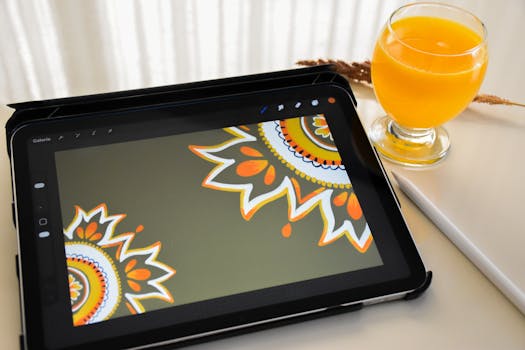
Digital art and design play a vital role in today’s creative landscape, shaping everything from advertising to video games and beyond. This dynamic field offers artists and designers the opportunity to explore new mediums and techniques, pushing the boundaries of traditional art forms. Whether you’re a budding artist looking to enhance your skills or an experienced designer seeking to expand your portfolio, digital art and design can offer myriad opportunities for career growth and personal enrichment.
The Role of Digital Art and Design
Digital art and design is an ever-evolving field that combines creative skills with technological tools to produce visual content. From graphics and web design to animation and 3D modeling, digital art transcends traditional boundaries, offering infinite possibilities for expression and innovation. By keeping abreast of the latest trends and tools, digital artists can create works that not only captivate audiences but also drive engagement and impact various industries.
Exploring Career Opportunities
Careers in digital art and design are as diverse as the medium itself. Some professionals focus on graphic design, crafting visuals for brands and products. Others delve into animation, bringing characters and stories to life in films and video games. Web design is another exciting field where creativity meets technology, allowing designers to curate engaging digital experiences.
Pursuing higher education in art and design can significantly enhance your career prospects. Attending prestigious institutions can provide a strong foundation and open doors to networking opportunities. For those interested, exploring the best art schools in Europe may offer valuable insights and global perspectives.
Skills Required for Success
While creativity remains the cornerstone of digital art, proficiency in technical skills is equally important. Familiarity with software tools like Adobe Creative Suite, Blender, or Sketch is essential for aspiring digital artists. Additionally, understanding the principles of design, such as color theory, typography, and layout, is crucial for creating visually appealing and effective works.
Communication and collaboration are also key, as digital artists often work in teams to execute projects. Problem-solving abilities and a keen eye for detail can set you apart in a competitive landscape, ensuring your work stands out and meets client expectations.
Adapting to Technological Changes
The digital art and design industry is characterized by rapid technological advancements. Keeping up with new software, tools, and trends is crucial for continued success. For instance, virtual reality (VR) and augmented reality (AR) are becoming increasingly prominent, offering new frontiers for creative exploration.
Continuous learning and adaptability are necessary to thrive in this fast-paced environment. Engaging in online courses, attending workshops, and participating in online communities can help hone your skills and keep you updated with the latest innovations in the field.
Making an Impact Through Digital Art
Digital art and design not only offer creative expression but also have the power to effect change. Artists can use their medium to address social issues, raise awareness, and inspire action. Sustainability, equality, and mental health are just a few of the poignant topics that digital artists can explore through their work.
Collaboration with organizations and participation in community projects can help amplify your impact, connecting your creative efforts with broader societal goals. As artists adopt sustainable practices, they contribute to a more environmentally-friendly industry, aligning creativity with responsibility.
Resources for Aspiring Digital Artists
There are numerous resources available to support your journey in digital art and design. Online platforms like Coursera and Udemy offer courses to develop technical skills, while forums and social networks such as Behance and Dribbble provide spaces to showcase your work and connect with peers. Additionally, exploring reliable sources of information, such as Wikipedia, can offer foundational knowledge in various aspects of education and career development.
Mentorship and networking are also vital components of a successful career in digital art. Attend industry conferences, engage with fellow artists, and seek feedback to continually refine your craft. Building a strong portfolio is essential for demonstrating your skills and attracting potential clients or employers.
In conclusion, digital art and design presents a vast array of opportunities for those willing to explore its depths. By cultivating both creative and technical skills, staying updated with industry trends, and leveraging available resources, you can unlock a fulfilling and impactful career in this vibrant field.
- Digital art and design play a key role in various industries.
- Technical skills and creativity are essential for success.
- Staying updated with technological advancements is crucial.
- Digital artists can make a societal impact through their work.
- Networking and resources are vital for career growth.
What are the benefits of a career in digital art and design?
A career in digital art and design offers creative satisfaction, versatility, and numerous opportunities across various industries. It allows individuals to continuously learn and adapt to new technologies, ensuring dynamic career growth.
What skills do I need to succeed in digital art?
Success in digital art requires a balance of creative and technical skills. Proficiency in design software, an understanding of design principles, communication skills, and adaptability to new technologies are crucial.
How can I keep up with digital art and design trends?
To stay current, engage in continuous learning through online courses, attend industry conferences, join online communities, and follow thought leaders in the field. These activities can keep you informed about the latest tools and trends.
What tools are commonly used in digital art and design?
Common tools include Adobe Creative Suite, Blender, Sketch, and CorelDRAW, among others. These software programs help artists create, manipulate, and enhance digital artworks and designs.
How can digital artists contribute to social change?
Digital artists can address social issues through their work by raising awareness and stimulating action. By collaborating with organizations and participating in community-driven projects, they amplify their impact on societal challenges.