
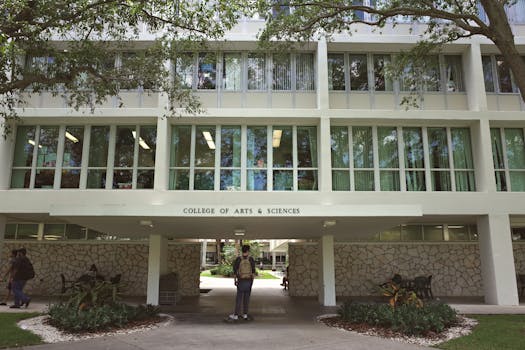
Many students considering higher education explore different pathways to achieve their academic and career goals. One option that is gaining popularity is the 2-year college transfer path. Known as a stepping stone, this route allows students to begin their studies at a community college and then transfer to a four-year institution. Understanding the benefits of 2-year transfer cc can help students make informed decisions that align with their unique circumstances.
The Benefits of 2-Year Transfer CC
Choosing to start at a community college offers numerous advantages. These institutions provide a more affordable entry into higher education, allowing students to complete general education requirements at a fraction of the cost. This cost-effective approach helps mitigate the often overwhelming burden of student debt. Furthermore, community colleges tend to have flexible schedules that cater to working students or those with family responsibilities.
The smaller class sizes at community colleges often result in more personalized instruction. Students can receive individualized attention from instructors, which may enhance their learning experiences and academic outcomes. This supportive learning environment can be particularly beneficial for students who thrive with more direct engagement with their educators.
Community colleges also offer diverse programs that cater to various interests and career paths. Whether students are interested in technical certifications or foundational courses for a particular major, the breadth of offerings provides valuable exposure and helps inform eventual transfer choices.
Seamless Transition to Four-Year Institutions
A primary advantage of the 2-year transfer path is the option for a seamless transition to four-year institutions. Many community colleges have articulation agreements with universities, which ensure that credits earned will transfer efficiently. These agreements help students avoid redundancy in coursework and keep them on track to graduate on time.
Moreover, students who start at a community college and later transfer may find themselves better prepared for the academic rigors of a university setting. Having already experienced college-level coursework and established study habits, these students often transition smoothly and quickly adapt to their new environment.
Financial Considerations
Community colleges offer a substantial financial advantage over traditional four-year institutions. With lower tuition rates, reduced fees, and the option to live at home, students can significantly reduce the total cost of their education. Additionally, many scholarships and financial aid opportunities are available specifically for community college students.
Transferring after two years allows students to utilize these financial benefits initially before transitioning to a university that might have higher costs. This strategy maximizes the value of their educational investment while minimizing long-term financial strain.
Targeted Support Systems
Community colleges often provide robust support systems that cater to a wide range of student needs. Academic advising, tutoring centers, and career counseling services are commonly available to assist students in navigating their educational journey. These resources support both the academic and personal development of students, preparing them for successful transfers and careers.
For adults seeking to change career paths or enhance their qualifications, community colleges offer tailored programs and support. These initiatives cater to non-traditional students who may be balancing education with work or family commitments.
Opportunities for Personal Development
Aside from academic pursuits, community colleges provide ample opportunities for personal development. Students can engage in extracurricular activities, student organizations, and leadership roles that enrich their educational experience. These opportunities can foster new interests, develop essential skills, and build networks that are valuable throughout one’s career.
Conclusion: Evaluating the Long-Term Impact
Understanding the benefits of 2-year transfer cc is crucial for students who aim to optimize their educational pathways. By leveraging the cost savings, academic preparation, and support systems of community colleges, students can lay a strong foundation for their future academic and career success. It’s a path that offers both practical and strategic advantages, facilitating a smoother transition into four-year institutions and beyond.
- Community colleges offer a cost-effective start to higher education.
- Smaller class sizes lead to personalized learning experiences.
- Seamless transfer agreements support academic continuity.
- Diverse program offerings help clarify educational goals.
- Robust support systems enhance personal and academic development.
What are the financial benefits of starting at a community college?
Community colleges typically have lower tuition rates and fees, offering a more affordable entry point into higher education than four-year universities.
How do articulation agreements benefit transfer students?
Articulation agreements between community colleges and universities ensure that students’ credits transfer smoothly, allowing them to continue their education without unnecessary course repetition.
Can I pursue extracurricular activities at a community college?
Yes, community colleges offer a variety of extracurricular activities and student organizations that provide personal development opportunities outside of the classroom.
Are there resources available for non-traditional students?
Community colleges often provide tailored programs and support services specifically designed for adults and other non-traditional students, helping them balance educational pursuits with other responsibilities.
Where can I learn more about educational pathways?
For more information on educational pathways and the benefits of different choices, you can visit this resource.

