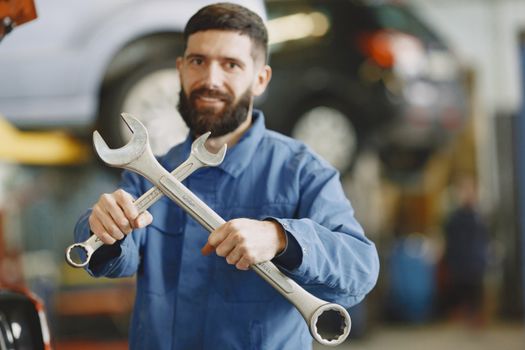
In today’s rapidly evolving job market, acquiring mechanic skills can open up a wealth of opportunities. The mechanic advantages are numerous and can significantly contribute to one’s career growth. Particularly in the automotive industry, these skills are vital, versatile, and in demand across various sectors. From automotive repair to specialized machinery maintenance, mechanics are essential contributors to the efficiency and functionality of numerous industries. This article explores the various benefits of honing mechanic skills and how they can enhance career prospects.
The Mechanic Advantages for Career Growth
Mechanic skills provide a strong foundation for those looking to advance in their careers. Skilled mechanics are invaluable, as they enhance the productivity and efficiency of the equipment they service. This skill set is crucial not only for car enthusiasts but also for those pursuing careers in engineering, manufacturing, and even aerospace industries. Understanding the mechanic advantages allows individuals to carve a niche for themselves in these fields.
Versatility and Employability
One significant advantage of possessing mechanic skills is versatility. These skills can be employed across various industries, making individuals highly adaptable and employable. For instance, mechanics with expertise in automotive systems can transition into roles involving industrial machinery, thereby broadening their employment prospects. This adaptability ensures that individuals remain relevant in the workforce, even as technology and job markets evolve.
Economic Stability and Growth
Careers in mechanics often offer economic stability and the potential for growth. Skilled mechanics are in high demand, and this demand is expected to climb steadily with advances in technology and an increasing number of vehicles and machinery. According to the U.S. Bureau of Labor Statistics, employment for automotive service technicians and mechanics is projected to grow in the coming years, ensuring steady job openings.
Skills Development and Lifelong Learning
Engaging in mechanic work encourages continuous learning and skills development. With technology continuously advancing, mechanics must stay abreast of the latest techniques and tools. This ongoing education not only refines their skills but also increases their value as professionals. By pursuing professional certifications and training programs, mechanics can enhance their knowledge and lead in their chosen fields.
Entrepreneurial Opportunities
Mechanic skills also open doors to entrepreneurial ventures. Individuals with adept mechanic skills can consider starting their own business, whether it’s a small repair shop or a consultancy in machinery maintenance. Such ventures offer immense growth potential and the freedom to innovate. For more detailed insights into the responsibilities and skill sets required for such professions, visit Automotive Service Technician Job Responsibilities.
Contributing to a Sustainable Future
Mechanics play a pivotal role in the push towards sustainability. By maintaining and improving the efficiency of machines, mechanics contribute to resource conservation and the reduction of waste. Skills that focus on optimizing energy use and minimizing environmental impact are particularly valuable as industries seek more sustainable operational methods.
From versatile employability to the potential for entrepreneurial ventures, the mechanic advantages prove to be significant. Incorporating mechanic skills into one’s career not only enhances job prospects but also aligns with broader economic and environmental goals.
- Mechanic skills are in demand across various industries, enhancing employability.
- Continuous learning is inherent in the mechanic field, leading to personal development.
- There are numerous opportunities for entrepreneurship in the mechanic domain.
- Mechanic skills support both economic stability and career growth.
- Mechanics contribute significantly to environmental sustainability efforts.
What are the common industries employing mechanics?
Mechanics are typically employed in automotive, aerospace, manufacturing, and industrial sectors, amongst others.
How can one start a career in mechanics?
Begin by enrolling in a technical program that offers certifications in mechanics and aim to gain hands-on experience through apprenticeships or entry-level technician positions.
Are there opportunities for advancement in mechanic careers?
Yes, with experience and further education, mechanics can advance to senior technician roles, supervisory positions, or even transition into related engineering fields.
Do mechanics need to stay updated with technological advancements?
Absolutely. With continuous advancements in technology, mechanics need to update their skills through ongoing education and training.
Is entrepreneurship a viable option for mechanics?
Yes, mechanics can start their own businesses, such as repair shops or consulting services, offering significant growth and innovation opportunities.