
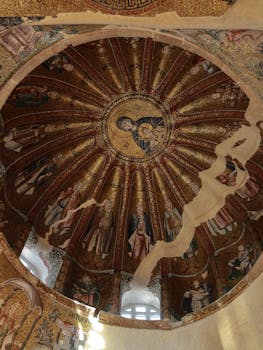
Have you ever found yourself captivated by the intricate details of a Renaissance painting or the bold strokes of a modernist masterpiece? If so, you may be intrigued by the career opportunities available as an art historian. Delving into the world of art history offers a unique lens through which we can understand past cultures, societal changes, and human creativity. Let’s explore how pursuing a path in art history can lead to diverse and fulfilling careers in the arts.
What Does an Art Historian Do?
An art historian studies artworks, their creators, and the historical context within which they were produced. This role involves analyzing the aesthetic, social, and political significance of art. Art historians often work in museums, galleries, and academic institutions, where they research and curate collections, educate the public, or preserve cultural heritage.
Art historians may also be involved in publishing critical essays, developing educational materials, or providing expertise in art appraisals. This field requires a deep understanding of art techniques and an ability to communicate insights effectively to diverse audiences.
The Educational Path to Becoming an Art Historian
To become an art historian, one typically starts with a bachelor’s degree in art history or a related field. Coursework often includes studies in archaeology, anthropology, and even foreign languages, reflecting the interdisciplinary nature of the field.
For those considering advanced positions, a master’s or doctoral degree may be necessary. These programs allow for specialization in a particular era, region, or medium. Internships and volunteer opportunities in museums and galleries are valuable for gaining practical experience and professional connections. You can explore some of the best art schools in Europe by clicking here.
Career Opportunities for Art Historians
Art historians can find various career paths. Museum and gallery work often lead to roles such as curators or educators, where professionals interpret collections for public engagement.
Alternatively, art historians might work in academia, teaching at universities or conducting research. Some find opportunities in publishing as editors or writers for art journals and books. The skills developed in art history also translate well to roles in auction houses, cultural preservation, and even art advisory services.
The Skills You’ll Need
Mastering art history requires a diverse skill set. Critical thinking and analytical abilities are crucial for interpreting art and constructing arguments. Communication skills are equally important, as art historians must convey complex ideas to both academic and general audiences.
Additionally, research skills and attention to detail enable these professionals to authenticate artworks and uncover the stories behind them. Proficiency in one or more languages can also be advantageous, especially when accessing primary sources.
Trends and Future Directions
Art history, like the arts in general, continuously evolves. Technological advancements have opened new avenues for research and engagement, with digital archives and virtual exhibitions making art more accessible.
There is also a growing interest in underrepresented art forms and global perspectives, which has broadened the scope of art historical research. As the art world becomes increasingly interconnected, art historians will play a pivotal role in bridging cultural gaps and preserving diverse legacies.
Ultimately, a career as an art historian merges a passion for art with an intellectual curiosity about the world around us. By pursuing this rewarding path, you contribute to the broader understanding and appreciation of human creativity through the ages.
- Art historians study the aesthetic and cultural significance of art.
- Pursuing higher education and internships is crucial for aspiring professionals.
- Art historians can work in museums, academia, publishing, and more.
- Skills in critical thinking, communication, and research are essential.
- Technology and global perspectives continue to shape the field of art history.
What degrees are needed to become an art historian?
Typically, a bachelor’s degree in art history is the first step, with further specialization through a master’s or doctoral degree.
Where do art historians work?
Art historians often find work in museums, universities, galleries, publishing, and cultural heritage organizations.
How do art historians conduct research?
Research often involves studying primary and secondary sources, and examining art pieces in various cultural contexts.
What skills benefit art historians the most?
Critical thinking, strong communication, research abilities, attention to detail, and sometimes language proficiency are key skills.
What is the future of art history?
The field is expanding with technological advances and a growing focus on global and underrepresented art histories.

