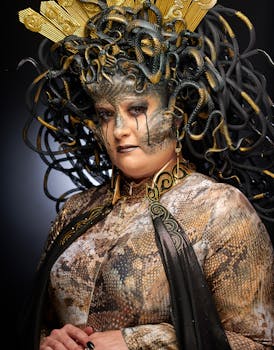
Exploring the world of film costume design is not only fascinating for its artistic expression but also intriguing for those curious about the film costume designer salary. This profession plays a critical role in the film industry, where designers bring characters to life through thoughtful and historically accurate costumes. If you’re considering a career in this creative field, understanding the salary expectations can help you assess the potential financial rewards.
Understanding the Film Costume Designer Salary
The salary of a film costume designer can vary widely depending on a range of factors such as experience, location, and the scale of the project. According to the U.S. Bureau of Labor Statistics, the median pay for costume designers, a category that includes film costume designers, depends on the sector of the industry they work in. Those involved in film and video production may earn more compared to those working in theater or smaller productions.
Experienced designers working on major motion pictures in big cities like Los Angeles or New York may command higher fees due to the cost of living and the competitive nature of the industry. Their salaries can range from $40,000 to upwards of $100,000 per year, particularly for those who have established a strong reputation in the industry.
For aspiring designers, entering the field might mean starting with lower wages, possibly working as part of a team under more seasoned designers to gain experience. Opportunities for growth in this field are plentiful for those who are passionate and dedicated to the craft.
Factors Influencing Film Costume Designer Salaries
Several factors influence salaries in this field:
- Experience: Like many creative professions, experience is a critical factor. Successful designers often have years of education and working in various capacities before leading major projects.
- Location: Design hubs like Los Angeles and New York provide more opportunities but also come with a higher cost of living.
- Project Size: Working on an independent film versus a Hollywood blockbuster could significantly affect earning potential.
Pursuing further education and specializing in certain design areas, such as historical costumes or technologically innovative materials, can also enhance career prospects. Scholarships for art students, such as those highlighted in our guide to scholarships, provide an excellent opportunity for financial support to develop necessary skills.
The Path to Becoming a Film Costume Designer
Embarking on a career as a film costume designer typically begins with a formal education in fashion design, theater production, or a related field. Programs offering coursework in textile science, costume history, and design technology are beneficial. Internships and practical experiences provide valuable on-the-job learning opportunities.
As designers build their portfolios and networks, they may find roles as assistants or junior designers. Climbing the ranks requires demonstrating creativity, a keen eye for detail, and collaborative skills.
Therefore, a career in film costume design demands not only technical proficiency and creativity but also a passion for storytelling and character development. For more information about what costume designers do, you can visit this resource by the Bureau of Labor Statistics.
How to Excel in Film Costume Design
For those aiming to stand out in the industry, staying informed about the latest fashion trends and techniques is crucial. Additionally, successful designers often have a strong understanding of history and cultural aesthetics to authentically craft believable and imaginative costumes.
Networking is vital in this industry. Building relationships with filmmakers, producers, and other designers can lead to new opportunities and collaborations. Participating in industry events, trade shows, and social media platforms can also expand one’s professional circle.
Future Prospects in Film Costume Design
The field of costume design continues to expand with the growing film industry. Digital platforms and international markets are increasing demand for content, thereby creating more positions for talented designers.
As technology advances, new materials and design software also open avenues for innovative costume creation and increased efficiency in design processes. The role of a film costume designer is evolving, presenting new challenges and opportunities for the future.
The evolving landscape of film offers exciting prospects for designers who are open to learning and adapting to new trends and technologies. By understanding the dynamics of the film costume designer salary, aspiring professionals can better navigate their career paths in this exciting field.
- Film costume designer salaries vary based on experience and location.
- Education and specialization can enhance salary prospects.
- Industry networking is critical for career advancement.
- Digital media provides new opportunities for designers.
- Excelling in this field requires creativity, passion, and adaptability.
What education is required to become a film costume designer?
Typically, a degree in fashion design, theater production, or a related field is recommended. Internships and hands-on experience are crucial for skill development.
What is the typical salary range for film costume designers?
Salaries vary widely, ranging from $40,000 to over $100,000 annually, depending on factors like experience, location, and project scale.
Do film costume designers work on all types of films?
Designers may specialize in certain genres or styles but often work on a variety of projects, from small independent films to major Hollywood productions.
How does technology impact a film costume designer’s work?
Technology offers new materials and design tools that enhance creativity and efficiency, influencing both the design process and the final product.
Are there scholarships available for aspiring costume designers?
Yes, many scholarships support art and design students; for more information, see our detailed guide.