
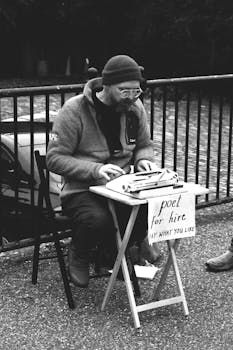
For many, the question of how to become a poet is a journey that begins with a deep love for language and a passion for expressing one’s thoughts and emotions through verse. This journey is both personal and unique, involving the exploration of diverse styles, voices, and literary traditions. Becoming a poet is about finding your own voice amidst the cacophony of existing works and influences. It requires dedication, creativity, and an appreciation for the art of words.
How to Become a Poet
Becoming a poet can be an immensely rewarding pursuit, offering a way to connect with others and explore the depths of human experience. Here are some essential steps to guide you on this literary journey:
Read Extensively
The first step is to read widely. Delve into a breadth of poetic works from various periods and styles, including contemporary poetry and classical forms. Analyzing and appreciating different works can offer insights into how poets convey ideas and emotions, helping you to shape your own style.
Some poets who have greatly influenced the literary world include Emily Dickinson, T.S. Eliot, and Maya Angelou. Understanding their approaches can be instrumental as you explore different techniques for infusing intuition and creativity into your work.
Write Regularly
To hone your skills, make writing a regular habit. Practice is essential in any art form, and poetry is no exception. Challenge yourself to write daily, even if it’s just a few lines. Explore different prompts or themes to stretch your creative muscles.
Establish a Routine
Create a dedicated space and time in your day for writing. This routine can help foster creativity and discipline, paving the way to becoming a prolific poet. Treat this time as sacred, free from distractions, and dedicated to exploring your inner voice.
Join a Writing Group
Engaging with other poets can provide valuable feedback and inspiration. Consider joining a writing group or workshop, either locally or online. Constructive criticism can help refine your work and expose you to different perspectives.
Embrace Rejection
Rejection is a natural part of the writing world. Developing resilience in the face of rejection can be empowering. Learn from the feedback, and view it as a stepping stone towards refinement and eventual success.
Publish Your Work
Once you’ve developed a body of work you’re proud of, consider submitting your poetry to literary journals or online platforms. This step can be daunting but is necessary for reaching a broader audience and establishing your voice in the literary community.
You may also consider compiling a collection of your poetry for publication. For those interested in larger platforms, look into participating in poetry contests or open mic events, both of which can offer valuable exposure.
For more in-depth information on various paths of art creation, you may find additional resources educational.
Practice and Patience
The journey to becoming a poet requires both practice and patience. While the creative process is enriching, patience is equally important. Honoring the time it takes to mature as a writer can lead to more profound and meaningful expression.
- Reading a variety of poets enhances your understanding of different styles.
- Writing regularly is key to developing your voice and honing your craft.
- Joining a writing group can provide feedback and inspiration.
- Publishing your work is essential for reaching a larger audience.
- Patience is crucial to growing as a poet.
FAQ
What are some basic steps to start writing poetry?
Start by reading widely, writing regularly, and joining a community of writers. Establish a routine and be open to feedback to improve and refine your craft.
How can I improve my skills as a poet?
Practice by writing every day, seek constructive criticism, and study different poetic styles and historical periods. Attending workshops and reading extensively can also improve your skills.
Is formal education necessary to become a successful poet?
No, formal education is not a requirement to become a poet, although it can provide helpful tools and critical connections. Many successful poets are self-taught and rely on their passion and dedication.
Can I make a living off poetry?
While making a living solely from poetry can be challenging, many poets complement their income by writing in other genres, teaching, or speaking engagements.
Why is community important in writing poetry?
Community provides support, inspiration, and feedback, which are essential for growth. Engaging with other writers can introduce new ideas and perspectives and help navigate the emotional journey of creating art.

