
Are you passionate about helping others improve their physical abilities and quality of life? If so, learning how to become a physical therapist could be your ideal career path. This guide outlines everything you need to know, from educational requirements to licensure, ensuring you’re well-prepared for this fulfilling profession.
How to Become a Physical Therapist
Becoming a physical therapist requires a combination of education, clinical experience, and certification. Here’s a step-by-step overview of what you need to do to embark on this career:
Understanding the Role of a Physical Therapist
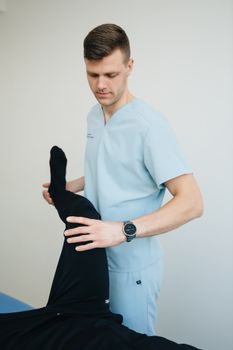
Physical therapists (PTs) are healthcare professionals who help patients manage pain and improve their physical movement, often after surgeries or injury. They work in various settings, including hospitals, clinics, and private practices, collaborating closely with patients to develop personalized treatment plans.
Education Requirements for Physical Therapists
The journey of becoming a physical therapist starts with obtaining the right education. The physical therapist education requirements involve several steps:
- Bachelor’s Degree: Before you can enroll in a Doctor of Physical Therapy (DPT) program, you must first complete a bachelor’s degree. While specific majors are not mandatory, coursework in anatomy, physiology, biology, and chemistry is often recommended. Online courses in these subjects, such as anatomy and physiology online courses, can be beneficial.
- Doctor of Physical Therapy (DPT) Program: A DPT is the professional degree required to practice as a physical therapist. These programs typically span three years and cover essential aspects like biomechanics, neuroscience, and pharmacology.
How Many Years of School to Be a Physical Therapist?
Overall, aspiring physical therapists should expect to spend approximately seven to eight years in education. This includes about four years for a bachelor’s degree and three years for a DPT program.
Gaining Clinical Experience
DPT programs incorporate clinical education, allowing students to gain hands-on experience under the supervision of licensed therapists. These rotations provide real-world experience, honing skills in patient care, assessment, and treatment planning.
Licensure and Examination
After completing the educational requirements, the next step is to pass the National Physical Therapy Examination (NPTE), which evaluates the competence of future physical therapists. Each state also has specific licensure requirements, so checking with your state board is crucial.
Continuing Education and Specialization
Once licensed, physical therapists must engage in continuing education to maintain their certification. Some choose to specialize in areas such as sports physical therapy, pediatrics, or geriatrics, which often require additional certification.
Career Opportunities and Advancement
Physical therapists have diverse career paths available, ranging from clinical practice to education and research. Many find opportunities for advancement in managerial roles or as part of interdisciplinary teams in healthcare settings.
Ongoing Demand for Physical Therapists
The demand for physical therapists is expected to grow steadily due to an aging population and an increased focus on rehabilitation. According to the Bureau of Labor Statistics, employment in this field is projected to grow much faster than the average for all occupations.
Costs and Financial Aid
Pursuing a career in physical therapy involves financial considerations. While DPT programs can be costly, various scholarships and financial aid options are available. Planning and researching financial support can assist in managing the expenditures associated with the education required to be a physical therapist.
Final Thoughts on Your Path to Becoming a Physical Therapist
Understanding how many years to become a physical therapist and the associated requirements is essential for anyone considering this profession. By adequately preparing and meeting each milestone, you’ll be on your way to a rewarding career in physical therapy. Remember, becoming a physical therapist not only requires rigorous education but also a commitment to continual learning and compassion for patient care. No matter where you are on this journey, evaluating your interests, strengths, and professional goals is key to success.
- The path to becoming a physical therapist is rewarding but requires dedication and commitment.
- Educational steps include obtaining a bachelor’s degree and completing a DPT program.
- Passing the NPTE and acquiring state licensure are essential milestones.
- Many opportunities exist in various specialties and healthcare settings.
- Continued learning and professional development are integral to a successful career.
What is the role of a physical therapist?
A physical therapist helps patients improve mobility and manage pain through therapeutic exercises, manual therapy, and education.
How long does it typically take to become a physical therapist?
It generally takes about seven to eight years, including undergraduate education and a Doctor of Physical Therapy program.
What are the key educational requirements to become a physical therapist?
An aspiring physical therapist needs to complete a bachelor’s degree in a related field and then a DPT program.
Do all physical therapists need to pass a licensure exam?
Yes, passing the National Physical Therapy Examination (NPTE) and meeting state-specific licensure criteria is necessary for practicing.
Can physical therapists specialize in different fields?
Yes, physical therapists can pursue specializations, such as sports therapy or pediatrics, often requiring additional certification and training.

