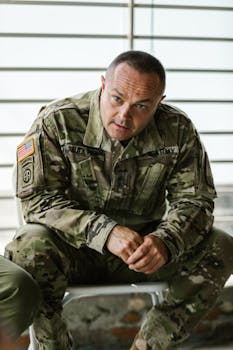
The article 134 UCMJ is a critical component of military law, known for its broad reach and application. As military personnel navigate their careers, understanding the nuances and implications of this article is essential. Commonly referred to as the “General Article,” Article 134 of the Uniform Code of Military Justice (UCMJ) covers offenses that prejudice good order and discipline and discredit the armed forces. This post delves into Article 134 UCMJ, examining its components, common offenses, and the process for handling these cases under military law.
Understanding Article 134 UCMJ
Article 134 UCMJ is unique because it encompasses a variety of offenses not specifically covered in the other 146 articles of the UCMJ. This article provides military leadership with the flexibility to address conduct that adversely affects the military environment but doesn’t fit neatly into other categories. Military professionals must become familiar with this article to ensure compliance and maintain a successful career.
What Offenses Fall Under Article 134?
Article 134 of the UCMJ includes a wide range of offenses, often divided into three primary categories:
- Disorders and neglects that are prejudicial to good order and discipline in the armed forces.
- Conduct of a nature to bring discredit upon the armed forces.
- Noncapital crimes or offenses which violate civilian law, assimilated into military law as offenses under Article 134.
Common examples include disorderly conduct, adultery, fraternization, and violations of federal statutes assimilated into military law. Each case under Article 134 UCMJ is evaluated on its specific facts to determine how the service member’s actions impacted their duties or the reputation of the military.
Procedures for Handling Article 134 Cases
When a service member is accused of an offense under Article 134, the military justice process is rigorous. Commanding officers often initiate an investigation, which may involve interviews and evidence collection. If there is sufficient cause, the case may proceed to a non-judicial punishment under Article 15, or a court-martial for more severe allegations.
Court-martials under Article 134 UCMJ allow the accused to present a defense, have legal representation, and receive a fair hearing. The outcomes can range from corrective counsel to discharge, depending on the severity of the offense and the circumstances surrounding it.
Impact on a Military Career
Violations of Article 134 can seriously impede a military career, affecting promotions and future assignments. Service members found guilty of an Article 134 offense may face punitive actions that impact their records and reputations. Understanding military law and the consequences of certain behaviors is crucial for those seeking to protect their careers.
Staying Informed and Educated
Active duty members and those aspiring to military careers should stay informed of the evolving interpretations of Article 134. Regular training and consultation with legal experts can help service members understand their rights and responsibilities. For more comprehensive insights into courses designed to further military and civilian education, consider exploring our guide to free courses.
Resources for Further Study
Useful resources are available to military members seeking to learn more about Article 134 UCMJ. Detailed guides and legal manuals can provide deeper insights into the workings of military justice. Moreover, official military websites regularly update legal regulations and guidelines that affect service members.
For a broader context on military law, you may find reading resources like the Uniform Code of Military Justice helpful. Understanding these resources can aid in preparing for any potential legal issues.
The UCMJ 134 and related regulations are vital for fostering ethical conduct and maintaining the reputation of the armed forces. Service members must remain vigilant in adhering to these standards, as they hold the key to navigating a successful military career.
Conclusion
The intricacies of article 134 UCMJ demand a keen understanding and adherence by military personnel. The general nature of this article allows it to serve as a catch-all for various offenses, reinforcing the need for discipline and respect within the military hierarchy. Service members committed to a long-term military career should continually educate themselves and seek guidance to maintain good standing within their ranks.
- Article 134 UCMJ covers offenses not specifically listed elsewhere in the code.
- Common offenses include behaviors that undermine military order or discredit the armed forces.
- Understanding military justice processes aids in navigating potential legal challenges.
- Staying educated on military regulations is essential for career success.
- Resources like the UCMJ and legal manuals offer valuable guidance.
What is Article 134 UCMJ?
Article 134 UCMJ is a general article under the Uniform Code of Military Justice that applies to offenses not specifically outlined in other articles. It addresses actions that disrupt military order or discredit the military.
How does Article 134 impact a military career?
Violations of Article 134 can have serious repercussions on a military career, including disciplinary actions, negative impact on promotions, and potential discharge.
What are examples of offenses under Article 134?
Offenses under Article 134 can include disorderly conduct, fraternization, adultery, and other actions that harm military discipline or reputation.
How are Article 134 cases processed?
Cases may start with an investigation by commanding officers and, depending on severity, could result in non-judicial punishment or a court-martial procedure.
Where can I learn more about military law?
You can explore resources like the Uniform Code of Military Justice and other legal guides to gain a better understanding of military law.