
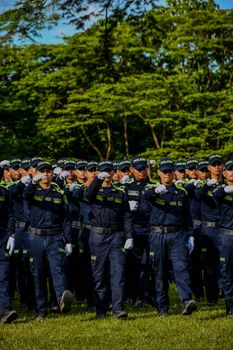
If you’re considering a career in law enforcement, you may be wondering, “how long is police academy training?” This is a crucial question for anyone looking to enter the policing profession, as the duration of training can affect your education and career path. The length of police academy training varies greatly depending on location, the agency you wish to join, and specific state requirements.
Understanding How Long Is Police Academy Training
In general, police academy training can last anywhere from 12 to 24 weeks, but this is only a baseline. For instance, some academies may require additional time for specialized training or extended curriculum goals. The total time commitment may also include pre-academy preparation or post-academy field training.
Different states and agencies have unique timelines, reflecting the diverse needs and expectations across the country. For example, the training in California differs from New York, focusing on varied state laws and enforcement tactics.
Factors Influencing Training Duration
Several factors can influence how long your police academy training will last. These include the specific requirements of the hiring department, the location of the academy, and whether you are pursuing additional credentials or specializations. Here are some common factors:
- State Requirements: Each state has specific training mandates, affecting the length of time you spend in the academy.
- Department Policies: Some police departments may require additional training modules or extend the basic training program.
- Specialized Training: Aspirants looking to specialize in areas such as K-9 units, SWAT, or narcotics may need extra time.
Comparing Training Programs
Prospective officers should research and compare different training programs to find the best fit. Programs may vary significantly—some focus heavily on physical fitness and defensive tactics, while others emphasize community policing and ethics.
Furthermore, the police academy curriculum typically includes a combination of classroom education and practical training. Subjects often covered include constitutional law, state laws, basic policing techniques, emergency vehicle operations, and first aid.
The Value of Additional Training
While the question of how long is police academy training is critical, the quality of training should not be overlooked. Sometimes shorter programs may offer intensive courses and collaborations with local enforcement agencies, while longer programs might provide more in-depth studies, skills clinics, and networking opportunities.
Continuing education and onboarding programs are also essential components of a successful policing career. Many departments encourage or require officers to continue their education and attend specialized courses throughout their careers.
Academy Life: What to Expect
Life at the police academy can be challenging and demanding. Days often start early and include physical training, classroom sessions, and scenario-based exercises. Additionally, recruits must adhere to strict discipline and follow a dress code.
The disciplined environment is designed to instill values of teamwork, responsibility, and leadership—qualities critical to effective policing. Understanding what life at the academy entails can help you prepare mentally and physically.
Potential recruits are encouraged to explore various career pathways in law enforcement. For more insight into navigating career changes, consider exploring new career paths as part of your decision-making process.
Final Thoughts on Your Law Enforcement Journey
The timeline of your police academy training is just the beginning of a much larger career journey. Law enforcement careers are dynamic and offer numerous paths in areas such as investigations, forensic analysis, and community engagement. Professional growth typically involves further training and specialization beyond initial academy requirements.
In sum, understanding how long is police academy training helps set expectations as you embark on a rewarding career in law enforcement. Whether you’re considering joining a local, state, or federal law enforcement agency, recognizing the value of comprehensive training is the key to long-term success.
Takeaways
- Police academy training varies significantly in length, usually from 12 to 24 weeks.
- The duration depends on state requirements, departmental policies, and specializations.
- Academy life is demanding, emphasizing physical and mental discipline.
- Continuous education is essential for career advancement in law enforcement.
- Prospective recruits should research and compare various programs to find the best fit.
FAQs
What subjects are taught at the police academy?
Academy training typically covers constitutional law, state laws, policing techniques, emergency vehicle operations, and first aid.
Do I get paid during police academy training?
Many police departments offer paid academy training as part of their recruitment programs, though this varies by region.
Can I choose the specialization right away during my police academy training?
Some specializations may be available during training, but most require additional certification or experience after the basic training is completed.
How important is physical fitness in police academy training?
Physical fitness is critical, as most academies have rigorous physical training programs and assessments essential for passing the academy.
Where can I find more information about police academy requirements in my state?
For detailed information regarding academy requirements, visit reputable sources like the respective state’s official website or check the overview of U.S. education related to law enforcement.

