
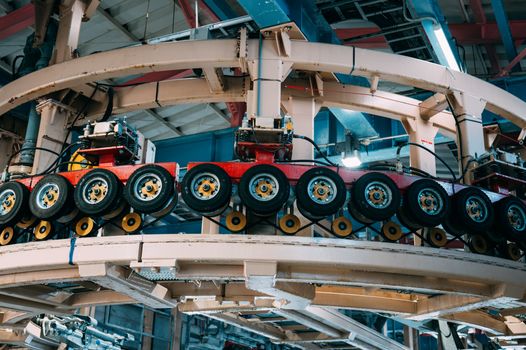
The role of a manufacturing engineer is becoming increasingly vital as industries evolve within a technology-driven landscape. Manufacturing engineers are at the forefront, ensuring that production processes are efficient, cost-effective, and sustainable. Their expertise is essential in designing, implementing, and refining manufacturing systems, making them crucial to a company’s success.
The Responsibilities of a Manufacturing Engineer
Manufacturing engineers specialize in developing processes to manufacture products efficiently. This involves working closely with designers and production teams to optimize manufacturing methodologies. Responsibilities include researching cutting-edge technologies, implementing automated systems, and ensuring compliance with safety and environmental regulations.
In today’s competitive global market, manufacturing engineers must also focus on sustainability and waste reduction. They play a critical role in minimizing the environmental impact by designing energy-efficient manufacturing systems. Additionally, they often work on enhancing supply chain processes and logistics, further optimizing the production lifecycle.
Essential Skills and Education for Aspiring Manufacturing Engineers
A manufacturing engineer typically holds a degree in engineering, with a focus on manufacturing or industrial engineering. Education programs that include courses in mechanical design, control systems, and computer-aided design are beneficial. For those interested in advancing their knowledge, online industrial design courses offer flexible learning opportunities.
Key skills needed in this field include proficiency in mathematics and the ability to apply scientific principles. Problem-solving is at the core of their work, requiring critical thinking and analytical skills to innovate and improve production systems. Communication skills are also important as engineers collaborate with diverse teams across various departments.
The Impact of Technology on Manufacturing Engineering
Technology continues to revolutionize the manufacturing industry. Advanced technologies such as automation, robotics, and the Internet of Things (IoT) are transforming traditional manufacturing practices. As a result, manufacturing engineers must adapt to these changes, becoming experts in integrating these technologies into production processes.
Automation has significantly increased production efficiency, allowing engineers to focus on creativity and innovation rather than routine tasks. By implementing robotic systems, manufacturing engineers can improve precision and reduce labor costs. IoT further enhances production by providing real-time data, enabling engineers to monitor processes more effectively.
Challenges Facing Manufacturing Engineers
The role of manufacturing engineers comes with a set of challenges. One major challenge is keeping up with rapid technological advancements. To remain competitive, engineers must continually update their skills and knowledge. This requires ongoing education and training, often requiring a strong commitment to lifelong learning.
Another challenge is balancing the need for enhancing productivity while maintaining quality standards. Engineers must strategize on ways to streamline processes without compromising the quality of the products. Economic pressures also demand that manufacturing engineers devise cost-effective solutions that deliver maximum output with minimal investment.
The Future of Manufacturing Engineering
Looking ahead, the future of manufacturing engineering is bright and full of opportunities. As industries continue to adopt sustainable practices, manufacturing engineers will play a crucial role in developing eco-friendly production systems. This trend is bolstered by a growing demand for products manufactured using sustainable methods, underpinning the importance of manufacturing engineers in modern industry.
Furthermore, digitalization and the rise of smart factories are expected to transform the industry. Manufacturing engineers will increasingly be required to have expertise in smart technologies, contributing to the development of intelligent systems that enhance flexible, responsive manufacturing environments.
Becoming a Manufacturing Engineer Today
If you’re considering a career as a manufacturing engineer, now is a great time to join the field. With the industrial sector expanding and technology advancing rapidly, the demand for skilled engineers is on the rise. This dynamic profession not only offers a diverse range of opportunities but also the chance to impact the future of industry in meaningful ways.
To learn more about educational opportunities and advancing in this field, explore further resources. Additional insights and comprehensive information about the role of manufacturing engineers can be found at the Education Wikipedia page.
The Critical Role of Manufacturing Engineers in Industry
Manufacturing engineers are the driving force behind industry innovation and efficiency. By staying ahead of technological advancements and addressing complex challenges, they help shape the future of manufacturing. Their role is indispensable in navigating the increasingly complex landscape of modern industry.
- Manufacturing engineers play a crucial role in optimizing production processes.
- They must stay updated on technological advancements and sustainability practices.
- The field offers diverse opportunities and the ability to impact industries positively.
- Education and continuous skill development are vital for success.
- Technological integration presents both challenges and opportunities in the industry.
What does a manufacturing engineer do?
A manufacturing engineer develops and optimizes manufacturing processes to ensure product quality and production efficiency. They work on improving systems, integrating new technologies, and adhering to safety and environmental regulations.
What skills are essential for a manufacturing engineer?
Essential skills include proficiency in mathematics, problem-solving, critical thinking, and effective communication. Knowledge of automation and computer-aided design is also beneficial, along with continuous learning of new technologies.
How has technology impacted the role of manufacturing engineers?
Technology has revolutionized manufacturing processes, requiring engineers to be skilled in automation, robotics, and IoT. These advancements improve efficiency and allow for more innovative and sustainable production systems.
What are the challenges faced by manufacturing engineers today?
Manufacturing engineers face challenges like staying updated with rapid technological changes, balancing productivity with quality, and creating cost-effective solutions. Ongoing education and adaptability are crucial to overcoming these challenges.
What is the outlook for careers in manufacturing engineering?
The outlook for manufacturing engineering careers is promising, with a growing emphasis on technology and sustainability. Engineers entering this field can expect opportunities to drive innovation and efficiency across various industries.

