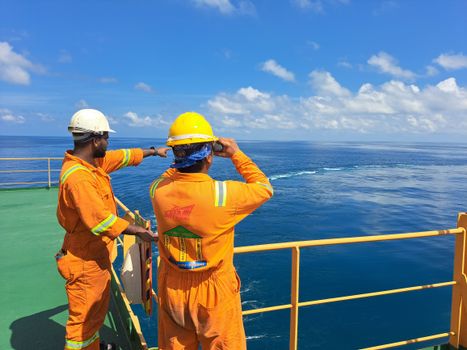
The oil derrick stands as a towering symbol in the petroleum industry, essential for extracting vital resources that fuel our world. But what exactly is an oil derrick, and how does it function within the oil industry? Understanding its role can illuminate the breadth of career opportunities available in this sector. Whether you’re an engineer, technician, or manager, there are diverse paths and specializations to explore.
The Oil Derrick: Heart of Oil Extraction
At its core, an oil derrick is a complex structure designed to support the drilling apparatus in an oil well. These towering forms are prominently visible at drilling sites and are critical in the initial phases of the oil extraction process. Primarily, the oil derrick facilitates the drilling of a precise borehole into the earth’s crust to access oil reserves.
Oil derricks are equipped to handle the weight and pressure of the drilling instruments, allowing for the efficient removal of resources from beneath the Earth’s surface. This intricate system requires meticulous engineering and a range of skilled professionals to maintain operations.
Components and Functions
An oil derrick comprises several key components: the mast, substructure, crown block, traveling block, and drill string. Each part serves a specific purpose in the drilling process, demanding coordination and expertise from operators.
- Mast: The frame supporting the derrick’s height and rig equipment placement.
- Substructure: Provides a stable base, elevating the rig above ground level for operational stability.
- Crown and Traveling Blocks: Work in tandem to manage the drilling line’s movement, essential for driving the drill string.
- Drill String: The core component that penetrates the ground, consisting of pipes and drilling instruments to reach oil reserves.
Career Opportunities Surrounding Oil Derricks
The complexity of an oil derrick offers a wealth of career paths. Engineers, particularly petroleum engineers, play crucial roles in designing drilling plans and ensuring safety standards. Skilled technicians operate, maintain, and repair equipment, ensuring the seamless operation of the drilling process.
There is also a significant demand for environmental scientists in the oil industry. Their role involves assessing environmental impacts and implementing sustainable practices. Project managers and site supervisors coordinate operations, ensuring compliance with industry regulations and standards.
Educational Pathways into the Oil Industry
Embarking on a career in the oil industry often requires specialized education and training. Many roles surrounding oil derricks, such as engineers and geologists, typically require a bachelor’s degree in their respective fields. Technical roles may necessitate certifications or associate degrees from vocational institutions.
Moreover, numerous organizations and universities offer targeted programs to equip aspiring professionals with the necessary skills and knowledge for this sector. For instance, facilities like the U.S. Bureau of Labor Statistics provide valuable insights into job outlooks and educational requirements.
Certifications and Professional Growth
Certain positions in the oil industry might benefit from additional certifications, such as the Petroleum Engineering Certification for engineers or the IADC certification for drilling professionals. These qualifications can enhance employability and potential for career advancement.
Additionally, platforms such as ScholarsHub.net offer opportunities for continuing education and career shifts, which can be particularly appealing to those interested in new career paths later in life.
Working Conditions and Safety Measures
Working on or around oil derricks often involves challenging environments. Jobs may require extensive travel and work in remote locations. Safety is a paramount concern, with comprehensive safety protocols established to protect workers from potential hazards.
Regular safety drills, rigorous equipment inspections, and adherence to industry standards ensure the well-being of all personnel involved. It’s crucial for professionals in this field to stay informed of the latest safety practices and innovations.
The Future of Oil Derrick Careers
The demand for oil remains, and with it, the need for skilled professionals in the oil industry. As technology advances, there’s potential for even greater efficiency and reduced environmental impact in the extraction process. Future careers may involve integrating renewable energy sources, making this sector a dynamic and evolving field.
In conclusion, the oil derrick remains a central piece in the broader perspective of oil career opportunities. For those willing to engage with its challenges and benefits, it offers paths rich with potential, innovation, and sustainability efforts.
Exploring various educational programs, certifications, and professional growth opportunities can aid in a rewarding career. New roles will likely emerge, driven by advancements in technology and shifts in global energy needs.
- An oil derrick is crucial in the petroleum extraction process.
- Numerous careers are centered around working with oil derricks.
- Education and certification paths can facilitate entry into this field.
- The sector constantly evolves with new technologies and practices.
- Safety and environmental responsibility are key operational tenets.
What is an oil derrick?
An oil derrick is a framework or tower over an oil well, used to support the drilling apparatus involved in creating holes to extract oil beneath the Earth’s surface.
What roles are available in the oil derrick sector?
Roles range from petroleum engineers and drilling technicians to environmental scientists and project managers, each playing a part in the extraction and management of oil resources.
What educational background is needed for these careers?
Most engineering and scientific roles require a bachelor’s degree in relevant fields, while technical positions might require specific certifications or vocational training.
What are the working conditions around oil derricks?
Work generally involves being in outdoor environments, sometimes in remote locations, with a strong emphasis on safety and adherence to industry regulations.
How important is safety in the oil industry?
Safety is critically important, with strict regulations and safety measures in place to protect workers from potential risks associated with oil extraction.