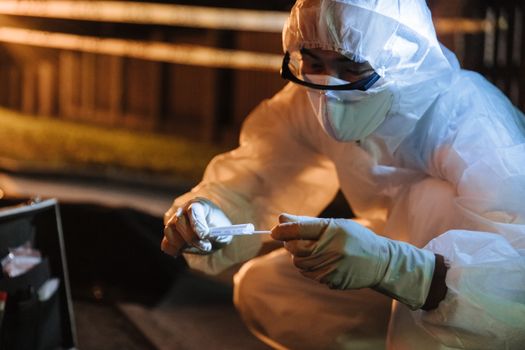
The intriguing world of criminal investigation heavily relies on the skills and expertise of a forensic science technician. When mysteries need to be solved, these professionals use their scientific knowledge to gather and analyze physical evidence from crime scenes. This career path blends science and law enforcement, demanding precision, critical thinking, and attention to detail, making it both challenging and rewarding.
Understanding the Role of a Forensic Science Technician
A forensic science technician plays a vital role in the criminal justice system. These professionals are responsible for collecting evidence from crime scenes, analyzing it in a laboratory, and collaborating with law enforcement agencies to piece together the facts of a case. Their work can include examining fingerprints, bodily fluids, hair, and firearms.
Key Responsibilities of Forensic Science Technicians
Forensic science technicians engage in a wide array of duties that require rigorous attention to detail. Some critical responsibilities include:
- Crime Scene Investigation: Collecting and preserving potential evidence to prevent contamination.
- Laboratory Analysis: Utilizing state-of-the-art equipment to examine evidence thoroughly.
- Reporting and Testifying: Documenting methods and findings clearly, often requiring court appearances to present and explain results.
Skills Required for Success
Successful forensic science technicians need a mix of technical skills and soft skills. Attention to detail, problem-solving abilities, and a methodical approach are crucial. Proficiency in the use of scientific instruments, understanding of legal procedures, and excellent written and verbal communication skills are also key components for success.
Educational Pathways and Training
The journey to becoming a forensic science technician typically begins with education. A bachelor’s degree in forensic science, chemistry, biology, or a related field is usually required. Additionally, practical experience through internships and laboratory work significantly benefits aspiring technicians.
For those looking to strengthen their science foundation, consider exploring online microbiology courses as a pathway to a career in forensic science.
Certifications and Continuous Education
Certification can enhance a forensic science technician’s credentials. Organizations like the American Board of Criminalistics offer certifications in various specializations. Continuing education is crucial as the field continuously evolves with new technologies and methodologies.
Career Opportunities and Advancement
The career of a forensic science technician offers numerous opportunities for growth and specialization. These technicians can work for law enforcement agencies, government agencies, or private laboratories. As their expertise grows, they can advance to senior positions or specialize in areas such as digital forensics, toxicology, or forensic engineering.
Networking and Professional Associations
Joining professional organizations, such as the American Academy of Forensic Sciences, offers networking opportunities and access to resources for staying current with the latest developments in the field. These associations also provide platforms for sharing research and enhancing professional development.
Challenges and Rewards of the Profession
Working as a forensic science technician can be both demanding and gratifying. The nature of the job means technicians might face emotional and psychological challenges, given the nature of crime scenes. However, the satisfaction of aiding in the pursuit of justice and helping to solve complex cases can be incredibly rewarding.
Forensic science technicians often work in high-pressure situations, needing to balance the urgency of solving a case with the diligence required to ensure that evidence is accurately analyzed. Successful technicians develop robust coping strategies and time management skills to meet these challenges effectively.
Future Outlook for Forensic Science Technicians
The demand for forensic science technicians is projected to grow as advances in technology continue to evolve the field. According to the U.S. Bureau of Labor Statistics, the employment of forensic science technicians is expected to grow much faster than the average for all occupations. This expansion is attributed to the increasing reliability of forensic science in criminal investigations.
As technology advances, forensic science technicians will find themselves utilizing more sophisticated tools. Staying updated with these advancements is essential for career longevity and success.
Embarking on a career as a forensic science technician will place you at the crossroads of science and criminal justice, a dynamic path where each day brings new challenges and opportunities to make impactful contributions to society. As you expand your skills and experience, you’re not just building a career but participating in the ever-important work of solving crimes and bringing justice.
- A forensic science technician is crucial in crime scene investigation and analysis.
- Education typically includes a bachelor’s degree and specialized training.
- Certification and continuing education enhance career prospects.
- The job offers diverse opportunities for specialization and advancement.
- Professional associations provide networking and development resources.
What qualifications are needed to become a forensic science technician?
Typically, a bachelor’s degree in forensic science or a related field such as chemistry or biology is required, along with laboratory experience.
Is certification important for forensic science technicians?
While not mandatory, certification can provide a competitive edge and validate expertise, particularly in specialized areas of forensic science.
What skills are essential for success in this field?
Attention to detail, critical thinking, proficiency in scientific methods, and effective communication are all vital skills for forensic science technicians.
What are the career advancement opportunities?
There are opportunities to advance to senior forensic roles, become specialists in fields like toxicology or digital forensics, or move into supervisory roles.
What is the job outlook for forensic science technicians?
The job outlook is positive, with faster-than-average growth projected due to the increasing reliance on forensic science in legal investigations.