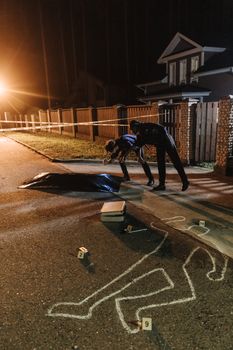
With the increasing depiction of forensic science in popular media, many individuals are drawn to pursue a career as a crime scene technician. This role offers the unique opportunity to contribute to the justice system by collecting and analyzing physical evidence from crime scenes. Aspiring crime scene technicians need to possess a unique blend of skills, education, and experience to excel in this demanding yet rewarding profession.
Understanding the Role of a Crime Scene Technician
A crime scene technician, also known as a crime scene investigator, is responsible for meticulously documenting and collecting evidence from crime sites. These professionals play a crucial part in solving crimes by preserving and analyzing evidence that may be pivotal during investigations and trials. Their work not only requires a keen eye for detail but also technical proficiency in using various forensic tools.
Essential Skills for Crime Scene Technicians
To succeed in this field, a crime scene technician must develop a strong set of skills. Critical thinking and analytical skills are vital for interpreting findings accurately. Attention to detail is paramount, ensuring that no piece of evidence, however small, is overlooked. Additionally, proficiency in using forensic software and tools, such as digital cameras, microscopes, and chemical reagents, is essential.
Communication skills are equally important. Crime scene technicians must effectively communicate their findings to law enforcement officials, lawyers, and sometimes the public. Writing detailed reports and providing clear testimony in court are fundamental aspects of the role.
Educational Pathways and Courses
Educational requirements for a crime scene technician can vary, but most positions require at least an associate degree in forensic science, criminal justice, or a related field. Some technicians opt for bachelor’s degrees to increase their expertise and employment prospects. Specialized courses in microbiology, chemistry, and forensic imaging are often part of these academic programs.
Continued education and professional certification can further enhance a technician’s credentials. Certifications from recognized organizations, such as the International Association for Identification (IAI), can validate a technician’s skills and commitment to the profession.
The Career Journey of a Crime Scene Technician
The journey of becoming a crime scene technician often begins with obtaining relevant education and hands-on experience. Internships with law enforcement agencies or forensic laboratories provide invaluable practical experience and exposure to real-world crime scene investigations.
Many technicians start their careers in entry-level positions such as evidence technicians or forensic science assistants before advancing to more specialized roles. Over time, with experience, they may progress to supervisory positions or specialize in areas such as fingerprint analysis, DNA profiling, or digital forensics.
Challenges and Rewards
Like many professions, being a crime scene technician comes with its unique set of challenges. The role can be both physically and emotionally demanding, often involving exposure to distressing scenes and irregular work hours. However, for many in the field, the opportunity to make a tangible difference in the justice system outweighs these challenges.
The rewards of this role are profound. The satisfaction of contributing to solving crimes and bringing closure to victims and their families is deeply fulfilling. Furthermore, crime scene technicians have the benefit of steady employment opportunities, as the demand for forensic science professionals continues to grow.
Bridging Crime Scene Work with Paralegal Studies
For those interested in exploring additional career opportunities within the legal domain, pursuing affordable paralegal certification can be a strategic move. A paralegal background can complement a technician’s expertise, offering broader career options and enriching their understanding of the legal processes that follow forensic analysis.
Conclusion
Becoming a crime scene technician is a pathway filled with both challenges and rewards. This role requires a unique mix of skills, dedication, and a passion for justice. As demand for meticulous evidence collection and forensic science continues to rise, aspiring technicians have the opportunity to embark on a fulfilling career that can significantly impact society.
- Crime scene technicians play a crucial role in the justice system.
- A mix of education, skills, and certifications is essential for success.
- The role is both challenging and rewarding with growing demand.
- Paralegal studies can complement and expand career opportunities.
- Success in this field comes from dedication and a focus on detail.
What education is required to become a crime scene technician?
Most positions require at least an associate degree in forensic science, criminal justice, or a related field. Advanced roles may require a bachelor’s degree or additional specialized training.
What skills are crucial for a crime scene technician?
Key skills include attention to detail, strong analytical abilities, proficiency with forensic tools, excellent communication skills, and the ability to work under pressure.
Are certifications necessary for crime scene technicians?
While not always mandatory, certifications from organizations like the International Association for Identification (IAI) are highly beneficial and can enhance job prospects and credibility.
What challenges do crime scene technicians face?
Technicians may face exposure to distressing crime scenes, irregular hours, and physically demanding tasks. Emotional resilience and a commitment to justice are essential to navigate these challenges.
How does a crime scene technician’s role impact society?
By meticulously collecting and analyzing evidence, crime scene technicians provide critical support in solving crimes, aiding in successful prosecutions, and ultimately contributing to public safety.
For further education insights, visit this informative resource on education.