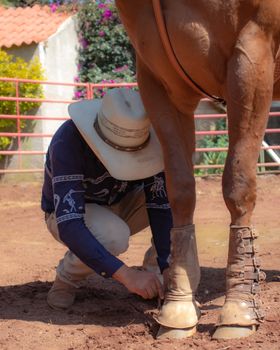
Ranch jobs offer a unique opportunity for individuals seeking work in an outdoor and hands-on setting. These roles are perfect for those who love the countryside and wish to be a part of agricultural and livestock management. As the demand for sustainable farming grows, so does the variety of employment opportunities within ranches, making them an attractive option for job seekers.
Types of Ranch Jobs Available
Working on a ranch is more than just cattle herding. There are numerous positions available, each requiring different skills and levels of expertise. Let’s explore some of the common ranch jobs you might encounter:
- Ranch Hand: Responsible for daily operations, including feeding animals, cleaning stalls, and maintaining equipment.
- Ranch Manager: Oversees the entire ranch’s operations, from financial planning to personnel management.
- Wrangler: Specializes in handling and taking care of horses; may also guide horseback tours.
- Livestock Specialist: Focuses on animal health and productivity, often requiring a background in veterinary science.
- Agricultural Technician: Works with technology and equipment to increase farm efficiency and productivity.
Benefits of Working in Ranch Jobs
Many people are drawn to ranch jobs because of the lifestyle they offer—working outdoors, engaging in physical activity, and becoming a part of a close-knit community are all significant draws. Besides the lifestyle perks, ranch work provides practical benefits such as skill development and career advancement opportunities.
Ranch jobs typically require diverse skill sets, ranging from animal care to advanced agricultural techniques. This environment fosters continual learning, which can be further supported by resources such as continuing education grants and industry-specific training programs.
Challenges Faced in Ranch Employment
While rewarding, ranch jobs also come with their set of challenges. Physical labor in varied weather conditions can be demanding. However, for those passionate about ranch life, these challenges are often outweighed by the rewards.
Additionally, the isolated nature of many ranch locations can pose a social challenge for some. Prospective ranch workers should consider whether they are comfortable with such an environment and seek out ways to stay connected with their broader community.
Advancement Opportunities in Ranch Jobs
Starting as an entry-level ranch hand doesn’t mean you’ll stay there forever. With experience, it’s often possible to advance to positions such as ranch manager or livestock specialist. Many workers also eventually start their own ranches, applying the skills and knowledge they have gained.
The agricultural and ranching industries value experience and expertise, making it possible for dedicated individuals to climb the career ladder relatively quickly. Continuing education and professional development are crucial to advancement, allowing workers to stay abreast of modern techniques and technologies.
Educational Pathways for Aspiring Ranch Workers
While some ranch jobs require little formal education, others benefit from specialized training or degrees. Programs in agriculture, animal science, and veterinary technology can provide a strong foundation for those looking to enter or advance within this field.
Furthermore, for those interested in the administrative or business side of ranching, courses in agricultural economics or business management are valuable. Agriculture education programs and certifications can also offer essential insights and credentials.
Conclusion
Ranch jobs provide a fulfilling career option for those captivated by a rural lifestyle and passionate about agriculture and livestock. With various roles ranging from entry-level positions to specialized professions, the industry offers ample opportunity for growth and personal development. For anyone willing to embrace the challenges and rewards, a career in ranching can be immensely gratifying.
Takeaways
- Ranch jobs encompass diverse roles, from ranch hand to manager.
- These positions offer numerous benefits, including skill development and career advancement.
- Challenges include physical demands and rural settings.
- Opportunities for advancement are plentiful with experience and education.
- Education in agriculture and related fields can be valuable.
What is a typical day like for a ranch worker?
A typical day for a ranch worker involves various tasks such as feeding livestock, maintaining equipment, and ensuring the overall welfare of the animals. Activities can vary based on the ranch’s focus and the season.
What skills are most important for ranch jobs?
Key skills include animal care, mechanical skills, physical stamina, and the ability to work outdoors in various weather conditions. Communication and management skills are also essential for advanced positions.
Are there formal education requirements for ranch jobs?
Many ranch positions do not require formal education, but roles such as livestock specialist or ranch manager may benefit from agricultural or veterinary science degrees.
Can city dwellers transition to ranch jobs?
Yes, while the transition may be challenging initially, city dwellers can adapt to ranch work with the appropriate mindset and training. This can be an opportunity for a significant lifestyle change.
Is there room for growth in the ranching industry?
Absolutely. The industry values experience and expertise, providing numerous opportunities for career advancement. Continuous learning and taking on more responsibilities can lead to higher positions within a ranch.