
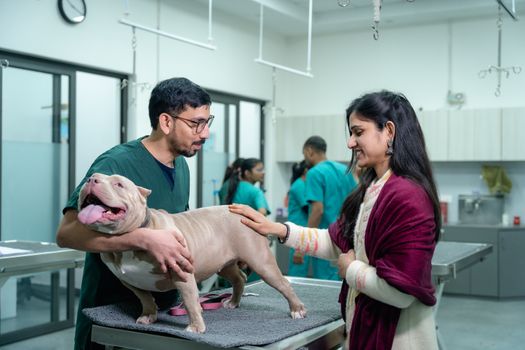
Embarking on a journey to become a veterinarian is a remarkable decision, filled with challenges and rewards. If you’re considering this career path, identifying the top ranked vet schools in the US is a crucial step in your planning. The veterinary education landscape in the United States is robust, offering diverse programs designed to prepare future veterinarians to excel in the field. This article will guide you through some of the top-rated veterinary colleges, helping you to make an informed choice about your education.
Understanding the Top Ranked Vet Schools in the US
The United States boasts some of the world’s premier veterinary colleges. When you’re evaluating your options, it’s essential to consider accreditation, program offerings, campus facilities, and opportunities for specialization. Veterinary programs in the US are typically four years post-bachelor and culminate in a Doctor of Veterinary Medicine (DVM) degree.
What Makes a Veterinary College Stand Out?
Top-ranked veterinary schools offer rigorous academics balanced with hands-on clinical training. They often have affiliations with clinics, hospitals, and research facilities, providing students with valuable real-world experience. Faculty credentials, research output, and student support services are other significant factors in ranking a veterinary college.
Cornell University College of Veterinary Medicine
Located in Ithaca, New York, Cornell University College of Veterinary Medicine is renowned for its innovative research and comprehensive clinical programs. The college emphasizes interdisciplinary learning and offers specializations in areas like public health and biomedical research. This approach not only prepares students to excel in veterinary practice but also equips them for leadership roles in veterinary science.
University of California, Davis School of Veterinary Medicine
UC Davis is frequently hailed as a leader in veterinary education, recognized for its contributions to animal health and welfare. The school provides extensive opportunities for research, with specialists in fields like zoological medicine and preventive care. Their facilities include a state-of-the-art veterinary medical teaching hospital, which is instrumental in training future professionals.
Additional Top Rated Veterinary Colleges to Consider
- University of Pennsylvania School of Veterinary Medicine
- North Carolina State University College of Veterinary Medicine
- Colorado State University College of Veterinary Medicine and Biomedical Sciences
These institutions are commended for their cutting-edge research initiatives and comprehensive clinical exposure.
Choosing the Right Program for You
When deciding among the top rated veterinary colleges, consider specific factors that align with your career goals. Do you want to focus on small animals, large animals, or perhaps exotic species? Each college may have strengths in different areas of veterinary practice.
Choosing a program that accommodates your interests can significantly impact your educational experience. For example, certain programs at these colleges might offer dual-degree options or specialized certifications that could enhance your career opportunities.
Accreditation and Curriculum
All these top colleges are accredited by the American Veterinary Medical Association’s Council on Education (AVMA COE). This accreditation ensures a standard of excellence and is critical for ensuring you receive a quality education recognized by veterinary boards nationwide. The curriculum generally covers topics such as anatomy, physiology, pharmacology, and animal behavior, blended with internships and practical components.
Preparing for a Future in Veterinary Medicine
Entering the veterinary field requires commitment and perseverance. Consider supplementing your formal education with additional courses in relevant subjects. For example, you might explore online biology classes for a strong background before engaging in a veterinary program.
Professional Development and Career Support
These top schools offer robust career support services, including job placement, internships, and networking opportunities with alumni. Engaging with these resources early can set you on a successful career path, whether in private practice, research, or the public sector.
Organizations like the Bureau of Labor Statistics provide insights into occupational outlooks, helping students understand future career prospects. To dive deeper, visit their Veterinarians’ data to explore more about job growth in the veterinary field.
Conclusion: Setting Sights on the Top Ranked Vet Schools in the US
Making the choice to attend one of the top ranked vet schools in the US is a monumental step towards a fulfilling career. These institutions provide not only the academic and practical knowledge required but also foster an environment of excellence and discovery. As you embark on this journey, take time to thoroughly explore each program, align your goals with the right college, and make the most of all available resources to succeed in veterinary medicine.
- Top veterinary colleges provide robust academic and clinical training.
- UC Davis and Cornell are frequently noted for their exceptional programs.
- Specializations and dual-degree programs can enhance career prospects.
- Accreditation by the AVMA COE ensures quality education standards.
- Career services at these institutions offer significant support and opportunities.
FAQ
What are the top-ranked veterinary schools in the US?
The top-ranked schools include Cornell University, UC Davis, and the University of Pennsylvania, among others.
How long does it take to become a veterinarian?
Typically, it takes eight years of post-secondary education, including four years of undergraduate study and four years of veterinary school.
What should I consider when choosing a veterinary college?
Consider accreditation, areas of specialization, faculty expertise, clinical facilities, and career support services.
Are online courses available for aspiring veterinarians?
Yes, many institutions offer components of their program online, especially for prerequisite courses, but clinical practice must be conducted in person.
What is the job outlook for veterinarians?
According to the Bureau of Labor Statistics, the employment of veterinarians is projected to grow faster than the average for all occupations, driven by the growing demand for pet care and advancements in veterinary technology.

