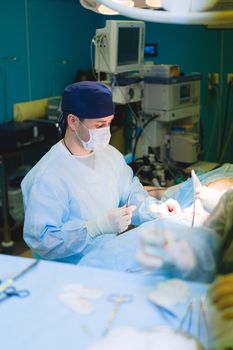
The journey to becoming a type surgeon is both challenging and rewarding. This specialized area of medicine requires precision, dedication, and extensive training. Aspiring medical professionals eager to specialize in this field need to focus on a combination of education, skill development, and personal growth to succeed.
The Role of a Type Surgeon
A type surgeon specializes in surgeries that require specific types of precision, often dealing with intricate procedures. These specialists must have an excellent understanding of anatomy, surgical techniques, and patient care. Their role involves pre-operative planning, performing surgeries, and post-operative care, ensuring the best outcomes for their patients.
Educational Pathways to Becoming a Type Surgeon
The first step towards becoming a type surgeon is obtaining a bachelor’s degree. Courses in biology, chemistry, and physics provide a strong foundation for medical school. Following undergraduate studies, aspiring surgeons must pass the Medical College Admission Test (MCAT) and gain entry into a medical school program.
During medical school, students undertake rigorous coursework in anatomy, pharmacology, and pathology, supplemented by practical experiences. Selecting electives that focus on surgery can provide aspiring type surgeons with valuable insights into their future specialization.
Residency and Fellowship Training
After earning a medical degree, graduates must complete a residency program in general surgery. This stage allows medical professionals to gain hands-on experience under the supervision of experienced surgeons. It typically lasts five to seven years, providing a comprehensive understanding of surgical procedures and patient management.
Following residency, a specialized fellowship in type surgery is essential. These fellowships focus on advanced surgical techniques and are crucial for honing the skills required to become a type surgeon. Fellowship training usually lasts one to two years.
Developing Essential Skills
The path to becoming a type surgeon demands more than academic excellence. Aspiring surgeons must develop a plethora of skills, including:
- Precision and Dexterity: Essential for performing delicate surgeries.
- Problem-Solving Skills: Quickly assessing and addressing complications during surgeries.
- Communication: Effectively explaining procedures and outcomes to patients and their families.
- Leadership: Leading a surgical team confidently and effectively.
These skills are often developed through practice, mentorship, and continuous professional development, reinforcing the nuanced expertise required in this field.
Continued Learning and Certification
To remain at the forefront of their specialty, type surgeons must engage in lifelong learning. This involves attending workshops, exploring new research findings, and attending conferences. Staying updated on the latest techniques and innovations ensures that type surgeons provide the best care possible.
Certification is another crucial component. Surgeons must be board-certified in their specialty, which may involve passing rigorous exams and fulfilling credentialing requirements.
Career Opportunities and Growth
The demand for type surgeons is on the rise due to advancements in medical technology and techniques. Careers can range from positions in hospitals to private practice settings. Additionally, type surgeons can explore academic roles by teaching upcoming medical professionals or engaging in research to innovate surgical methods.
The continuous expansion in medical research offers unique opportunities for type surgeons to contribute to their field significantly. Participating in research can enhance one’s understanding of complex cases, allowing for better patient outcomes.
Balancing Personal Development
While the path to becoming a type surgeon is professionally demanding, it is crucial to maintain a balance between work and personal life. Successful surgeons often emphasize the importance of managing stress through healthy lifestyles, hobbies, and maintaining relationships.
Adopting a work-life balance can prevent burnout and contribute positively to a career in type surgery. Aspiring surgeons can learn strategies to balance their professional and personal lives effectively by visiting top resources on learning while advancing in the field.
The Journey Ahead
Becoming a type surgeon is an arduous yet fulfilling journey. By committing to education, mastering essential skills, and maintaining personal growth, aspiring medical professionals can meet the challenges of this career with confidence. Valuable insights and a supportive network can guide them along this path, ensuring they provide excellent patient care and advance their career prospects.
To further understand the intricacies of medical education, visit this resource on education.
- Type surgeons specialize in precise and complex surgical procedures.
- A strong academic foundation and specialized training are crucial.
- Skills such as precision, communication, and leadership are vital.
- Continued education and certification are necessary for career growth.
- Balancing personal and professional life contributes to long-term success.
How long does it take to become a type surgeon?
Becoming a type surgeon generally requires several years of education and training, including undergraduate studies, medical school, residency, and fellowship programs, which together can span over a decade.
What is the primary role of a type surgeon?
The primary role of a type surgeon involves performing specific types of surgeries that require intricate and precise techniques, ensuring optimal patient outcomes.
What skills are essential for a type surgeon?
Essential skills for a type surgeon include precision, problem-solving, effective communication, leadership, and the ability to manage complex surgical procedures.
Do type surgeons need to continue their education?
Yes, type surgeons must engage in lifelong learning to stay updated on the latest techniques and innovations in their field. This often includes attending conferences, workshops, and additional certification exams.
Can a type surgeon work in a private practice?
Yes, many type surgeons work in private practice, allowing them flexibility and the opportunity to focus on specific patient needs and specialized care areas.