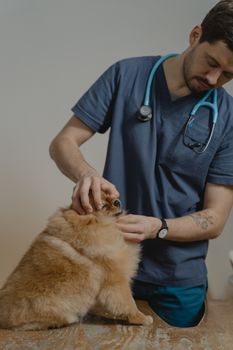
Veterinarians play an indispensable role in ensuring the health and well-being of animals. Understanding what does the vet do extends far beyond administering vaccines and treating ailments. Veterinarians are pivotal in animal healthcare, performing various functions that cover medical care, surgical procedures, preventive health, education, and even regulatory roles.
What Does the Vet Do on a Day-to-Day Basis?
Veterinarians have a diverse range of responsibilities, which can vary based on their chosen area of specialization. However, a typical day for a vet might include examining animals, diagnosing health problems, treating injuries, and advising owners on the best practices for animal care. They might also perform surgeries, administer vaccinations, and prescribe medications as needed.
More specifically, veterinarians need to interpret laboratory test results, take and interpret x-rays, perform ultrasound examinations, and conduct surgical interventions when necessary. These tasks ensure they provide comprehensive care that promotes the overall health of their animal patients.
The Role in Preventive Care
Preventive care is a crucial part of veterinary practice. Vets emphasize the importance of regular check-ups to prevent diseases before they occur. They guide pet owners on nutrition, exercise, and other aspects of pet care. Vaccination schedules and routine health screenings are vital components of this preventive approach.
Specializations in Veterinary Medicine
Like human medicine, veterinary medicine is highly specialized. Once you delve deeper into the field, you find vets who focus on particular species, such as small animals (dogs and cats), large animals (horses and livestock), or even exotic pets. Others might specialize in areas such as dentistry, dermatology, anesthesiology, or behavioral medicine.
Public Health and Regulatory Roles
Some veterinarians work in public health, ensuring that animal diseases do not spread to humans. They might work for government agencies to monitor potential zoonotic diseases and enforce regulations on animal welfare and food safety. Preventing outbreaks of animal-borne diseases is a significant responsibility carried out by these professionals.
Education and Advocacy
Veterinarians not only care for animals but also educate the public. They provide information on responsible pet ownership, the importance of spay/neuter programs, and how to improve animal welfare. By doing so, they play a vital role in fostering a society that values and cares for its animals.
If you are considering a career as a veterinarian, or would like to learn more about the educational pathways, be sure to explore online biology classes that can serve as a foundation for veterinary studies.
Research and Innovation
Veterinarians are also deeply involved in research. They work to develop new treatments, vaccines, and technologies that advance animal health. This research is vital as it can lead to breakthroughs that also benefit human medicine, given the similarities between animal and human biology.
The Impact on Animal Welfare
Ultimately, veterinarians are key advocates for animal welfare. Their work ensures that animals are treated with kindness and that their needs are met, providing them the best possible quality of life.
For a more comprehensive understanding of the veterinary field and its significance, resources such as the Wikipedia page on Veterinary Medicine can provide further detailed insights.
In conclusion, veterinarians play diverse and vital roles in society, making substantial contributions to animal welfare, public health, and scientific research. Understanding what does the vet do helps appreciate the dedication and expertise these professionals bring to their crucial roles.
- Veterinarians manage a broad range of responsibilities, from animal health to public safety.
- Preventive care and client education are key components of a vet’s job.
- Specializations in veterinary medicine align with various species and medical fields.
- Vets contribute significantly to public health through disease prevention.
- Research and innovative practices are pivotal in advancing veterinary medicine.
What education is required to become a veterinarian?
To become a veterinarian, one must earn a Doctor of Veterinary Medicine (DVM) degree, typically taking four years beyond an undergraduate degree. Following this, they must pass a national licensing examination.
How do veterinarians contribute to public health?
Veterinarians help prevent zoonotic diseases, ensure food safety, and contribute to epidemiological research. Their work with government agencies aids in managing public health risks associated with animals.
Why is preventive care important in veterinary medicine?
Preventive care helps maintain animal health, avoid the outbreak of diseases, and detect potential health issues early, ensuring longer and healthier lives for pets.
What are some common specialties within veterinary medicine?
Common specialties include animal surgery, dermatology, cardiology, and behavior medicine. Other vets might specialize by the type of animal, such as small animals, equine medicine, or wildlife.
Where can I find reliable information about veterinary education options?
You can find comprehensive resources and educational pathways by visiting academic websites and professional groups related to veterinary education.