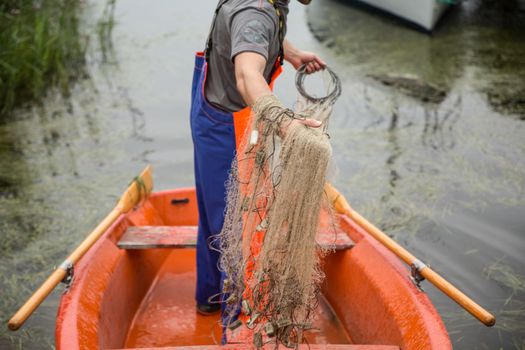
For those passionate about both the sea and adventure, exploring opportunities in assistant fishing jobs opens a unique avenue for career growth. Whether you’re looking to introduce yourself to the maritime industry or aiming to gain hands-on experience, working as an assistant in the fishing industry offers invaluable exposure. This article dives into the facets of these roles, the skills required, and the potential for development.
The World of Assistant Fishing Jobs
The fishing industry is vast, covering deep-sea fishing, lake fishing, and coastal fishing operations. Assistant fishing jobs are integral to the functioning of these operations. They provide support to more experienced fishermen by assisting with equipment preparation, catch sorting, and maintaining vessel safety protocols. These roles are essential for newcomers to gain insight into the daily workings of fishing expeditions and help them decide if a long-term career in fishing suits their ambitions.
Why Consider a Career in Assistant Fishing?
Assistant fishing roles serve as a launching pad into the broader maritime sector. Here are a few reasons why people choose this path:
- Practical Skills: Gain hands-on experience with fishing gear, seamanship, and lifeboat handling.
- Exploration and Adventure: Work in diverse environments, from coastal regions to remote oceanic areas.
- Networking Opportunities: Build connections with industry professionals, which can open doors to advanced positions.
For those who thrive in dynamic and physically demanding environments, assistant fishing jobs offer a challenging yet rewarding career path. You will be working closely with seasoned professionals who can mentor you as you grow your skills.
Skills and Qualifications Needed
While entry-level in nature, assistant fishing jobs often require specific skills and physical capabilities. Here are some qualifications that employers frequently look for:
- Physical Fitness: The work is physically demanding; applicants should be capable of working long hours in harsh weather conditions.
- Basic First Aid: A certification in first aid or CPR is beneficial.
- Seamanship Skills: A foundational understanding of seamanship, though not mandatory, is an advantage.
- Teamwork and Communication: The ability to work as part of a team is essential due to the collaborative nature of fishing operations.
While formal education might not be mandatory, courses or certifications in maritime safety, navigation, and environmental conservation are advantageous and might be required for advancement to roles such as deckhand or mate.
Career Growth and Opportunities
Assistant fishing jobs can lead to numerous career paths within the maritime industry. With sufficient experience and skill development, workers can advance to positions like deckhands, lead fishermen, or even captains. Specialized roles in vessel maintenance, marine biology, or business management of fishing operations are also viable options for long-term career growth.
The fishing industry is constantly evolving, with increasing focus on sustainable practices. As such, there are emerging opportunities in environmental management and conservation roles that stem from a foundational experience as an assistant fisher. For those interested in exploring roles that evolve and diversify their skills, look into careers that pay you to master new skills by visiting our article on jobs that pay you to master new skills.
Challenges in the Fishing Industry and How to Overcome Them
Like any field, the fishing industry comes with its challenges. Adverse weather, safety concerns, and the unpredictable nature of the catch can make these jobs strenuous. However, understanding risk management, attending safety training, and improving communication skills can mitigate these challenges. Moreover, as you acclimate to the sea’s rhythm, the elements that initially posed difficulties eventually contribute to personal growth and resilience.
Conclusion
Exploring opportunities in assistant fishing jobs not only caters to those with a passion for the sea but also offers a platform for significant career growth. Whether you seek adventure, skill acquisition, or eventual advancement in the maritime industry, these roles serve as a springboard to numerous fulfilling career paths.
- Assistant fishing jobs are a key entry-point into the maritime industry.
- These roles are ideal for gaining practical skills and networking.
- Advancement opportunities include positions like deckhands, captains, and more.
- Physical fitness and teamwork are critical skills for success.
- Safety training and risk management can mitigate industry challenges.
What are assistant fishing jobs?
Assistant fishing jobs involve supporting more experienced fishermen with various tasks including equipment setup, catch sorting, and vessel maintenance.
What qualifications are needed for assistant fishing jobs?
Typically, these jobs require physical stamina, basic first aid knowledge, and teamwork skills, though specific qualifications may vary by employer.
Can assistant fishing jobs lead to other careers?
Yes, many individuals progress to roles such as deckhands, lead fishermen, or captains, with opportunities in areas like environmental management.
Are there any challenges associated with assistant fishing jobs?
Challenges include adverse weather and safety risks, which can be managed through proper training and experience.
How can I learn more about sustainable fishing practices?
For more information on sustainable fishing and industry practices, visit the Wikipedia page on sustainable fisheries.